The agricultural industry stands on the brink of a new era. By 2026, it is predicted that technologies such as artificial intelligence (AI), drones, the Internet of Things (IoT), bioengineering, and digital tracking will no longer be mere additions to farming practices but the very core of how we produce food and ensure sustainability.
These advancements bring not only greater efficiency but also a shift towards regenerative and accountable farming that restores soil and ecosystems.
Predictive AI
Globally, 2026 is expected to be the year when predictive AI plays an increasingly significant role in agriculture. According to farmonaut.com, more than 65% of farms worldwide will use AI for tasks such as crop analysis as well as weather and market forecasting. Although it may sound unusual and feel as though it is still in the distant future, AI is now being integrated into existing systems so seamlessly that the transition often goes unnoticed.
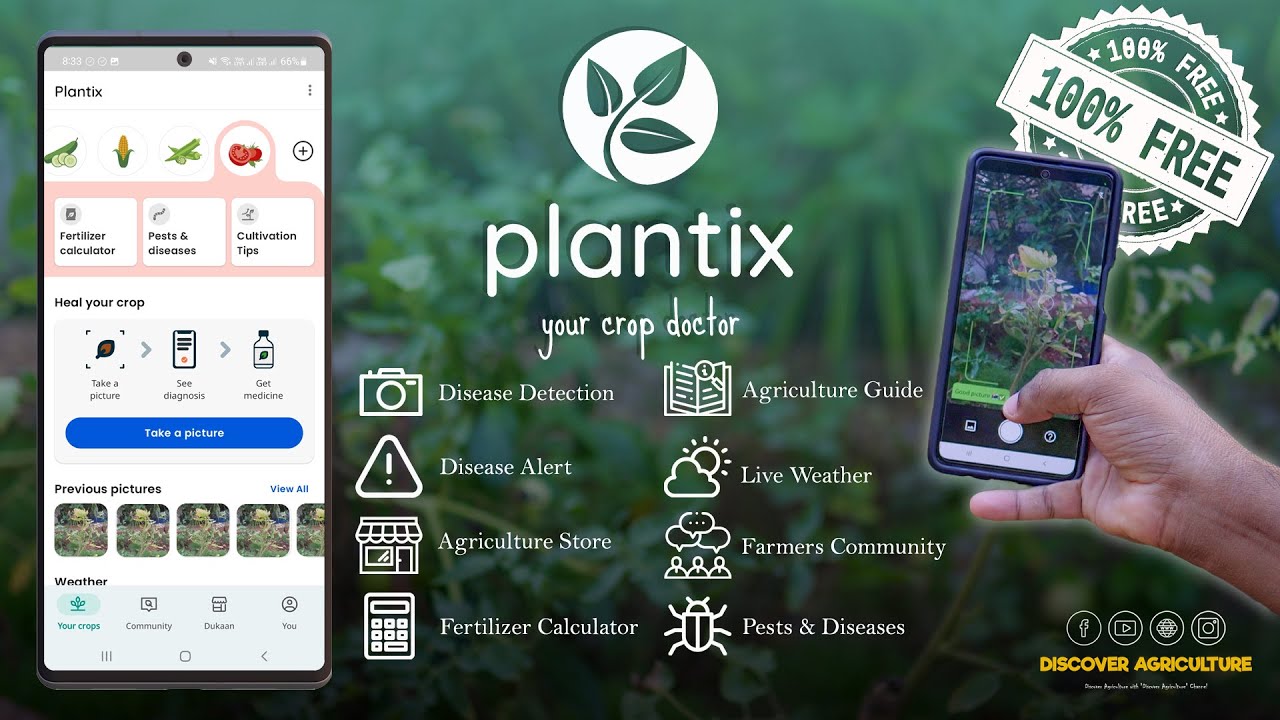
Plantix, for example, is a free AI app that diagnoses plant diseases, pests, and nutrient deficiencies from a photo. The app also suggests steps that can be taken to resolve the problem. Taranis is a drone-based AI platform that surveys fields using ultra high-resolution imaging to detect pests and insects on crops.
CropX is a soil analysis and irrigation optimisation platform that helps farmers save water and improve yields.
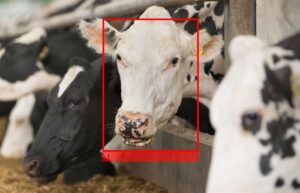
Cainthus uses computers and facial recognition software to monitor livestock health and behavior.
With Agremo, you can perform crop forecasting, crop health analysis, and field mapping through aerial imagery.
John Deere See & Spray is an AI-powered precision spraying system that reduces pesticide use by targeting
only weeds.
Granular is farm management software that uses AI for financial and operational planning in agriculture. When the right AI systems are applied on a farm, they can lead to cost savings, improved precision farming, data-driven decision-making, and proactive responses before problems arise.
Drones, AI, IoT
In 2026, drones, AI, and IoT will form the backbone of precision agriculture. These systems will work together
to provide data-driven insights, ensure task automation, and manage resources more optimally for higher yields and sustainability.
AI
• Analyses massive datasets from sensors, drones and satellites.
• Predicts crop yields, detects diseases and provides recommendations for precision interventions.
• Automate decision-making, reducing reliance on guesswork.
IoT (Internet of Things)
• Connects soil moisture sensors, weather stations and smart irrigation systems.
• Provides continuous, real-time monitoring of farm conditions.
•Issues alerts and forecasts for challenges such as water stress or pest outbreaks.
Drones
•Capture aerial images for crop health, soil mapping and drainage analysis.
•Deliver targeted spraying of pesticides or fertilisers.
•Reduce labour costs by automating scouting and monitoring.
Regenerative farming
Already in 2025, there was a strong emphasis on regenerative farming. In 2026, sustainable farming techniques are expected to become the cornerstone of agriculture worldwide. Unlike traditional sustainable farming, regenerative practices improve soil and ecosystems rather than merely maintaining them. The focus is on restoring soil health through techniques such as cover crops, crop rotation and reduced tillage.
Healthy soil acts as a carbon sink, helping to mitigate climate change. Improved soil structures increase water retention and reduce vulnerability to drought, while the integration of livestock, diverse crops and natural habitats strengthens ecosystems.
Regenerative farming practices worldwide have triggered a shift in the way farming is conducted, with governments and agri-businesses increasingly investing in these methods. Beyond healthier soil and more sustainable farming practices, consumers are also leaning towards products grown sustainably.
Automation and robotics
The world is moving towards more automated processes, and robotics is taking over tasks and simplifying production processes. In 2026, this trend is increasingly extending into agriculture. Farming is becoming a sector increasingly driven by data; efficiency is becoming more important, and practices that require less labour are gaining popularity.
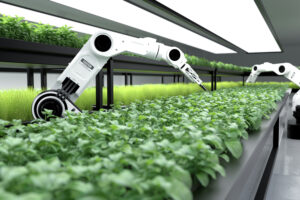
Farmers worldwide are already seeing how self-driving tractors, robotic harvesters, and AI-powered drones are becoming standard tools rather than experimental prototypes. Self-driving tractors and harvesters equipped with GPS and AI guidance are used for precision planting and irrigation, reducing waste while improving yields. Robotic harvesters pick fruits and vegetables, reducing reliance on seasonal labour.
These machines are particularly useful in crops such as strawberries, apples and tomatoes. Weed-control and spraying robots are AI-enabled machines (e.g. FarmWise, John Deere See & Spray) that identify weeds and spray only where necessary.
With drone integration, herbicide use can be reduced by up to 90%. Drones scout fields, monitor crop health and deliver targeted spraying.
When drones are combined with robotics, a complete air-ground automating system is created. Robotic milk systems and automatic feeders improve efficiency in dairy and poultry farming, while AI systems monitor animal health and behaviour at the same time. These machines not only execute tasks, but also make decisions and predictions.

Female technologist agronomist with tablet computer in the field checking quality and growth of crops for agriculture.
Bioengineering and biotechnology
By 2026, bioengineering and biotechnology will have transformed agriculture into a science-driven, climate-resilient, and resource-efficient system. These technologies are no longer niche; they are already embedded in seed development, crop protection, livestock management, and even food supply chains.
We’re already seeing this type of biotechnology in the breeding of genetically modified crops that are resistant to drought and pests. Engineered soil microbes improve nutrient uptake and reduce dependence on fertilisers, while biofertilisers and biopesticides lower chemical inputs and environmental impact.
Genetic selection and biotechnological vaccines in livestock improve animal health and productivity, while precision breeding reduces disease risks and increases feed efficiency. Crops are already being engineered to withstand extreme weather conditions such as heat, floods and drought. Crops are also bred to address malnutrition, including vitamin-enriched maize and iron-rich beans.
Digital traceability and data analysis
With the rapid changes brought by technology, traceability in 2026 is one of the core aspects demanded by consumers. Traceability and advanced data analysis ensure transparency, efficiency and sustainability through-out the food chain. Farmers, agri-businesses, and consumers benefit from these insights and traceable records that make farming smarter and more accountable.
The challenges
Although all this technology and progress may sound like a fairy tale for the agricultural sector, it is not something that can only be implemented in 2026. Challenges such as access to the internet in remote areas, especially regarding AI and IoT systems, the costs associated with implementing these technologies, as well as training to analyse and apply the data obtained, play a long-term role.
The climate also does not always cooperate, and even with predictive technology, anything can happen. Transitioning from a conventional farm to a regenerative farm requires time, insight, and upfront investment. Consistent and reliable markets will help farmers adopt more of these new technologies.
What agriculture holds for 2026 is exciting and innovative, and can contribute to the sustainability of the soil we farm on – as well as our food security.