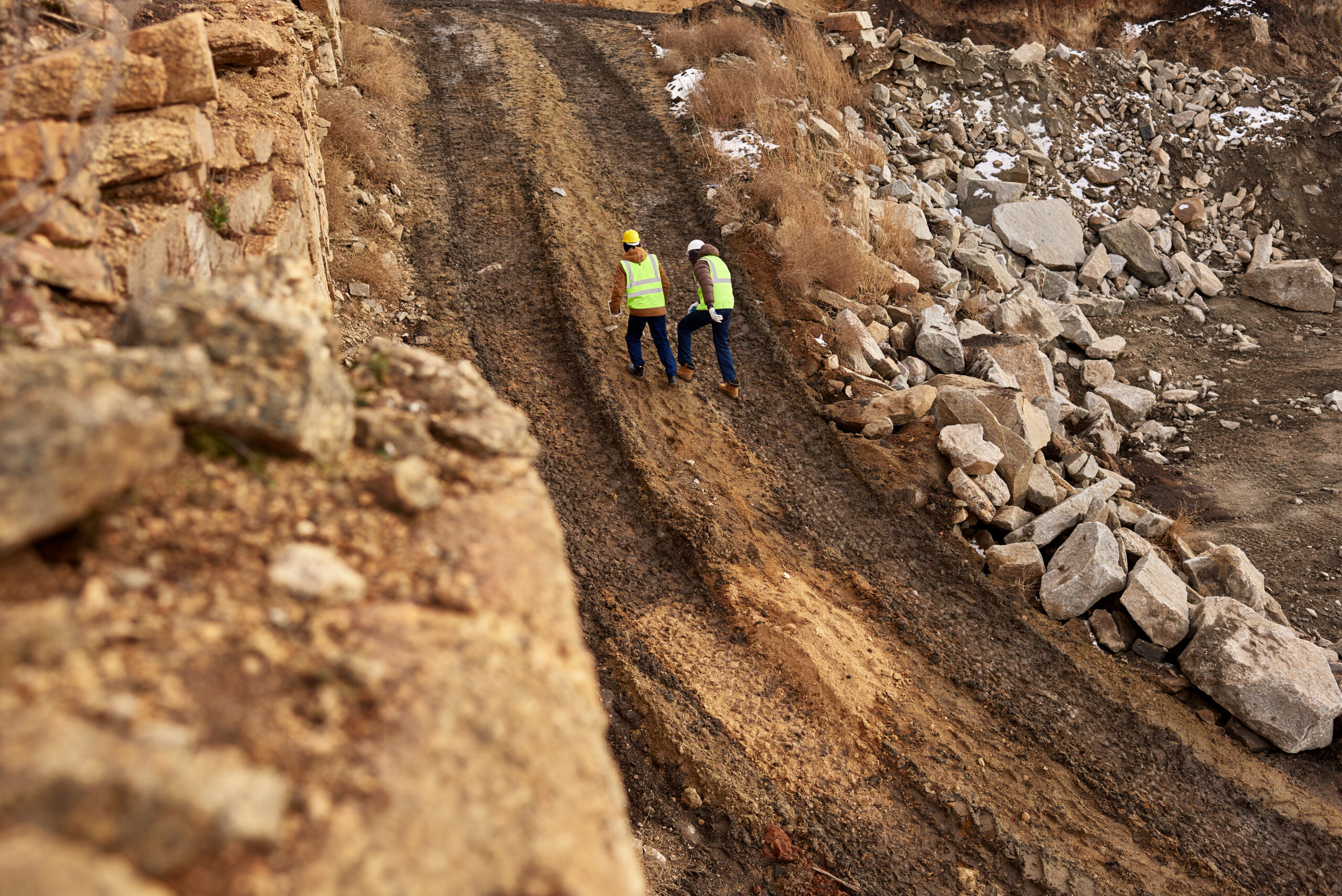
What happens to a mine road when it is no longer needed? As mining operations expand and activities move into new areas, existing roads can become redundant. However, the materials used to construct these roads do not necessarily have to go to waste.
Dust-A-Side recently demonstrated this during a project in the Mpumalanga region, where it reused material recovered from an existing mine road to construct a new road. Rather than sourcing entirely new soil material, the company made use of the resources already available on site, saving time and reducing the need for additional materials.
The project highlights how practical road management solutions can contribute to more sustainable mining operations without compromising operational requirements.
Giving existing road materials a second life
Mine roads play an essential role in daily operations, providing access for heavy machinery, haul trucks and personnel. However, as mining activities progress, road networks often need to change to accommodate new working areas.
This was the case at a mining operation in Mpumalanga, where activities were expanding into a new area. An existing road, which had been constructed and treated with Dust-A-Side’s DAS LC product over several years, was no longer required.
Instead of leaving the road unused and sourcing new soil material for the next phase of development, Dust-A-Side identified an opportunity to reclaim and reuse the existing road material.
The old road surface was scraped, allowing the previously treated material to be recovered and transported to the new road construction area.
This approach provided a practical alternative to sourcing entirely new material, while demonstrating the potential for previously treated road surfaces to be reused.
From an old road to a new one
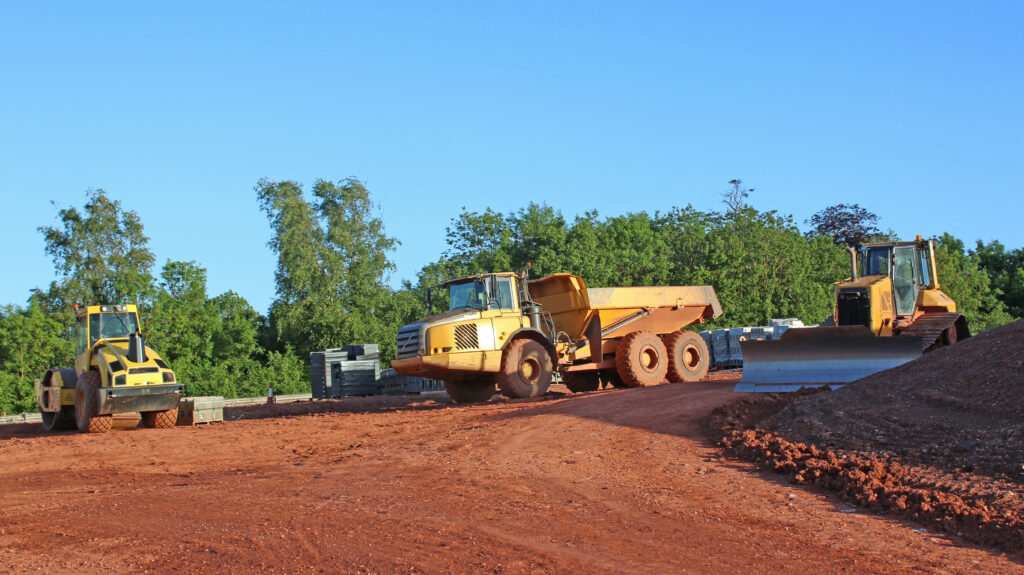
The recovered material was incorporated into the construction of the new road through a relatively straightforward process.
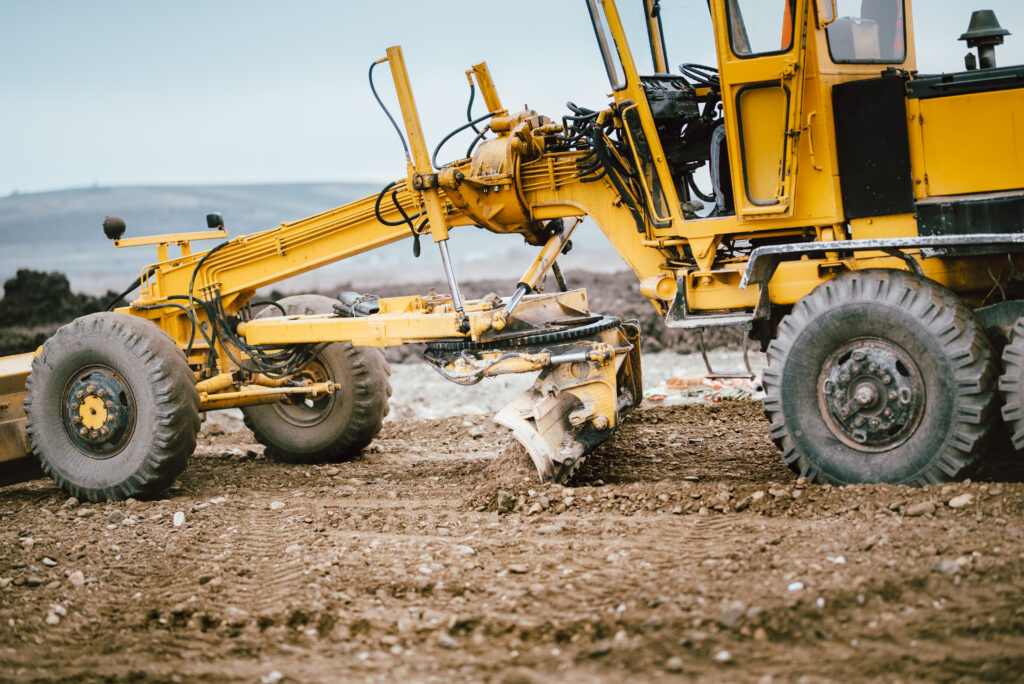
After being removed from the original road, the reclaimed material was mixed with the soil available in the new construction area. An additional quantity of Dust-A-Side’s product was introduced into the mixture before the material was compacted to form the new road surface.
By combining reclaimed material with existing soil and additional treatment, the company used resources already available within the mining operation.
The process also reduced the need to acquire and transport new soil material, helping to save time during construction.
According to Fillipus Masipa, Group Chief Technical Officer at Dust-A-Side, the ability to recover and reuse previously treated road material is an important advantage of the company’s road management approach.
“A DAS-treated wearing course is fully reclaimable and reusable. Reusing material helps save product usage and time spent acquiring new material,” explains Masipa.
A practical approach to sustainability
Sustainability in mining is often associated with large-scale environmental initiatives, but meaningful improvements can also come from reconsidering everyday operational practices.
Road construction and maintenance require considerable resources, particularly where new material must be sourced, transported and processed. By reusing suitable materials from roads that are no longer needed, mining operations can reduce their reliance on newly sourced resources.
In the Mpumalanga project, the existing DAS LC-treated road effectively became a source of construction material for the new road.
This approach demonstrates how materials can remain useful beyond their original application, supporting a more circular approach to mine road construction.
It also presents potential operational advantages. Reducing the need to source new material can limit associated transport activities, shorten certain stages of construction and make better use of resources already available on site.
For mines where road networks frequently change as operations expand, the ability to reclaim and reuse road materials offers a practical opportunity to improve resource efficiency.
More than dust suppression
Dust-A-Side is known for its dust suppression and road management solutions, but the Mpumalanga project demonstrates how the benefits of its treated road surfaces can extend beyond their original purpose.
The ability to reclaim an existing DAS LC-treated wearing course means that previously used road material can potentially become a resource for future construction activities.
Rather than viewing an old road as infrastructure that has reached the end of its useful life, mining operations can consider whether their materials can be incorporated into new developments.
For Dust-A-Side, the project illustrates how effective road management can support both operational efficiency and environmental responsibility.
Building with the future in mind
As mining operations continue to develop and expand, the demand for practical, cost-effective and sustainable infrastructure solutions remains important.
Dust-A-Side’s recent Mpumalanga project shows that constructing a new road does not always mean starting with entirely new materials.
By reclaiming an existing DAS LC-treated road surface, combining the recovered material with soil from the new area, adding a small quantity of product and compacting the mixture, the company demonstrated a resource-conscious approach to mine road construction.
The result is an example of how existing infrastructure can continue to provide value, even after its original purpose has come to an end.
For mining operations looking to make better use of available resources, the message is simple: an old road does not necessarily mean wasted material.
Visit the company’s website to learn more about Dust-A-Side’s groundbreaking solutions.