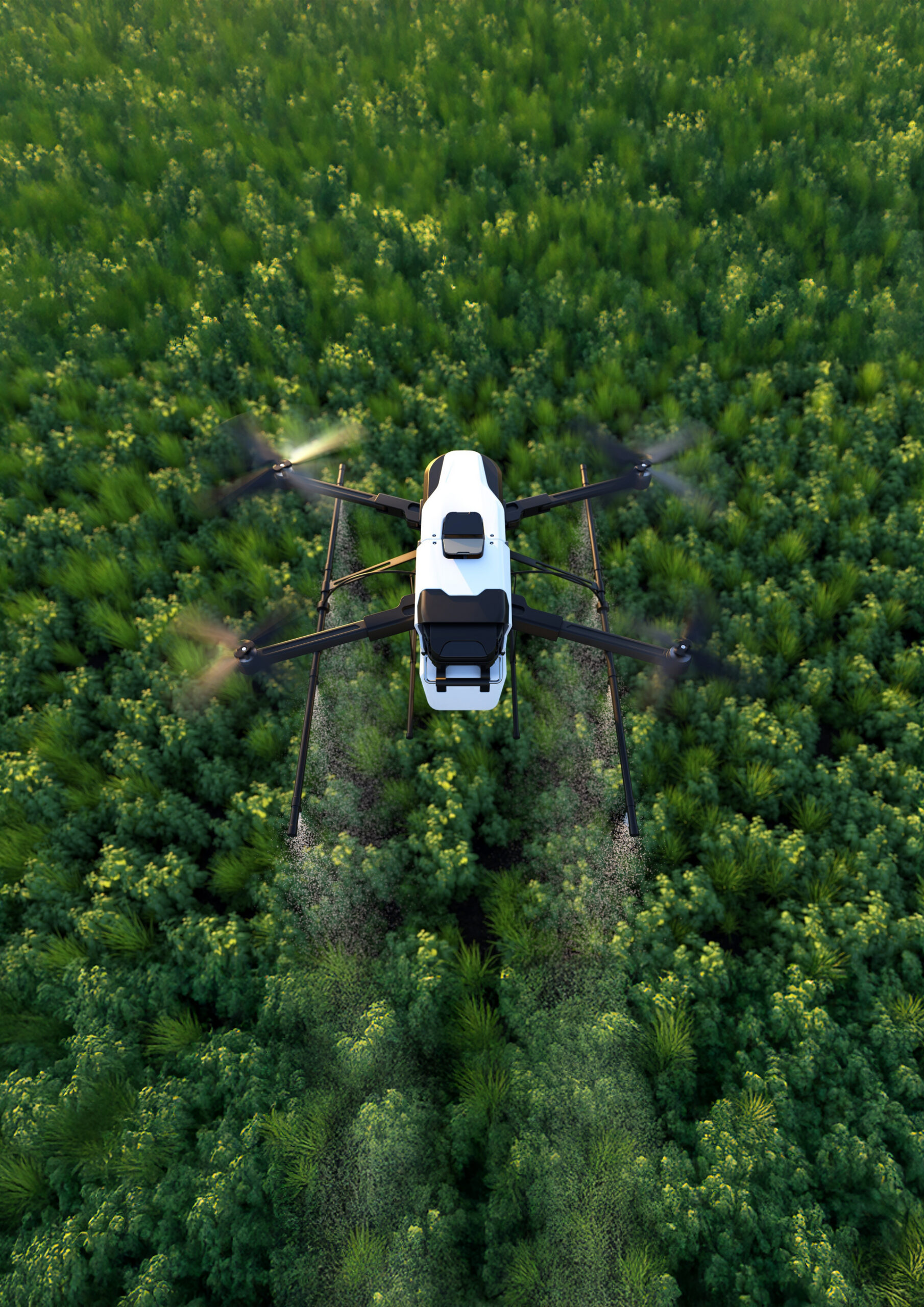
Ken Treloar, a worldwide expert in the intersection of plant science, farm management and technology, discussed the significant value that drones offer, particularly in African countries outside South Africa. Here is part 2 of the article.
When drone technology makes its entrance
Scepticism, curiosity, then trust, that is the usual order in which drone technology lands on a farm anywhere in the world. What changes from country to country is how long each stage takes, and what it takes to move a farmer from one to the next.
“Having spent years on the agri-drone side of this industry, and also focused time spent on agri-energy, I have had a front-row seat to that process across a range of farming conditions,” says Ken.
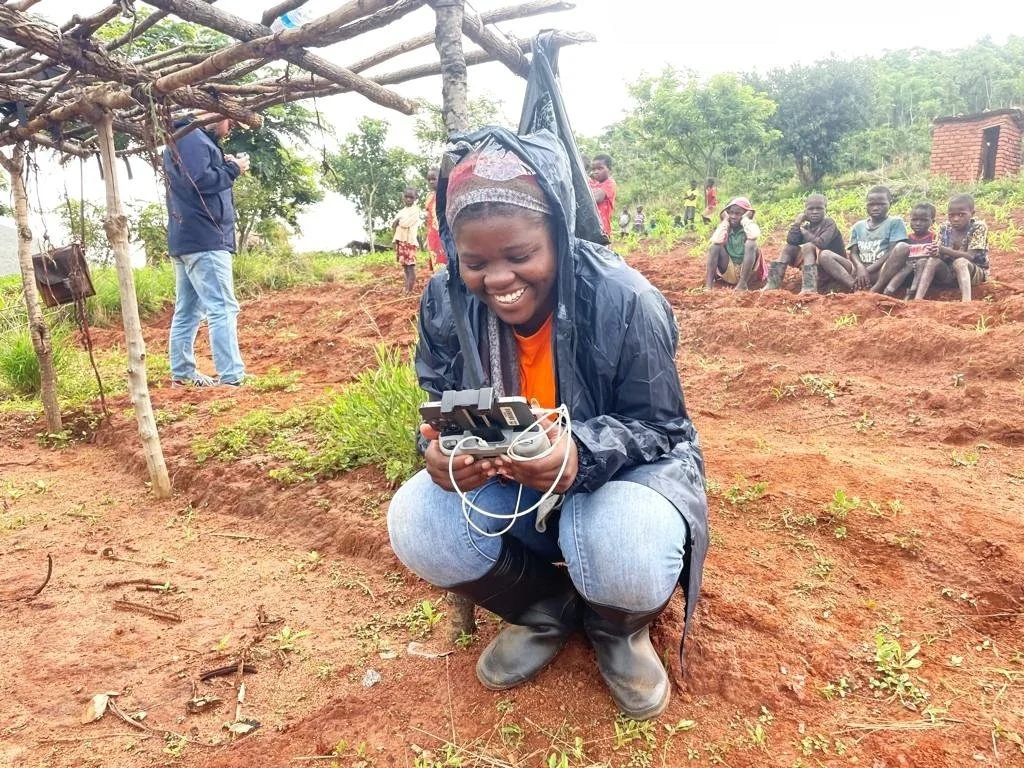
Photo: Africandrone.org
Going from ‘will it work’ to ‘how do we pay for it?’
“The first question a farmer asks about a drone is rarely about the technology itself. It’s a version of “has someone I trust already used this, and did it work for them?” That is true in South Africa, and I believe it’s true everywhere else I have worked.”
Word of mouth, and a visible demonstration on a neighbour’s land, does more to move a sceptical farmer than any brochure or webinar. What is different further north up into Africa is what happens after that first question is answered.
“In South Africa, the next question is usually about return on investment against an existing input budget. Elsewhere, the next question is often ‘how do we pay for it at all? That is precisely the service-provider model, where a trained operator flies for a fee rather than the farmer owning the equipment,” says Ken.
Why has this approach taken hold so quickly? Ken says it removes the capital question entirely and replaces it with a per-hectare or per-flight cost that a smallholder can weigh up and digest much easier.
Once that hurdle clears, reception is considerably warmer, more so than when he first started travelling and vouching for drone use on farms.
“Farmers are risk-averse”
“We must remember, farmers are not technology averse. They are risk-averse, which is a different thing entirely, and entirely reasonable when a bad season can be the difference between a business going under, and one that survives,” he says.
During Ken’s travels to farms in Africa, certain things made a considerable impression on him.

Photo: Afgoesdigital.com
Resourcefulness
He saw how amateur operators keep drone fleets running with spare parts, workarounds and troubleshooting knowledge that would put some formally trained technicians to shame.
Where supply chains are unreliable, the people running this equipment become extraordinarily good at keeping it in the air anyway.
The leapfrogging effect
In parts of the continent where mechanisation never fully arrived, some farms are moving straight from manual labour to drone-based spraying and scouting, without ever passing through the tractor-and-boom-sprayer stage South Africa took for granted.
It is the agricultural equivalent of skipping landlines and going straight to mobile smartphones (a story we see all over Africa), and it tells you something about how quickly a genuinely useful tool can spread once the cost and availability barriers drop.
Community
Where land is fragmented into small plots, data and services are shared in ways that are less common on larger, single-owner commercial farms.
A cooperative flying one drone across 40 smallholder plots is, in its own way, a more efficient use of the technology than 40 farmers each buying their own equipment.
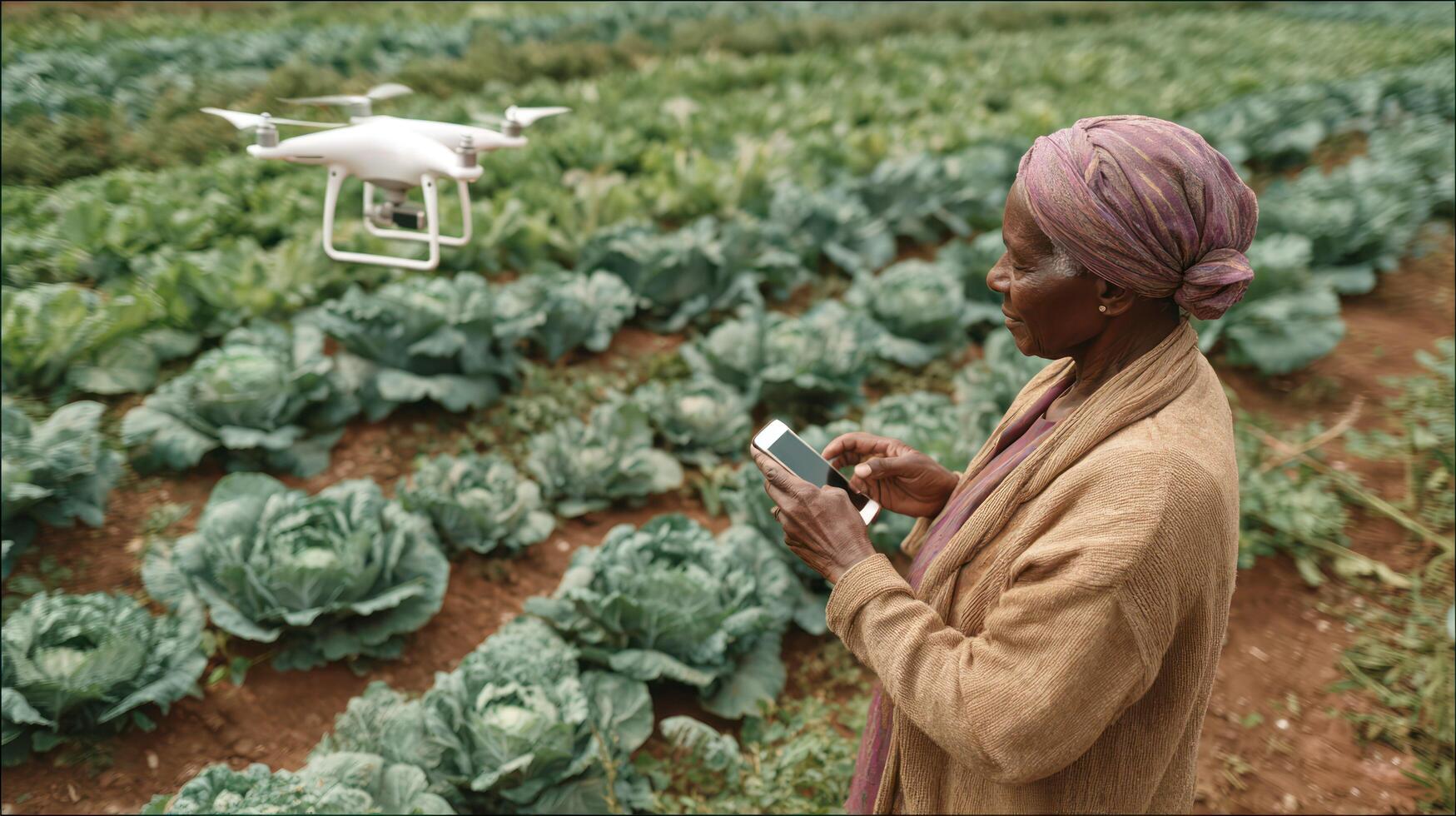
Photo: Vecteezy.com
The challenges that remain
“The challenges farmers face are consistent enough across the countries I have worked in that they are worth naming directly,” says Ken.
Upfront cost: Even under a service model, it remains an expense for a smallholder operating on thin margins.
Connectivity and power issues: These make data download, software updates and battery charging harder than they should be.
Spare parts and import duties on drone hardware can turn a simple repair into a weekslong delay.
Training and skills pipelines have not kept pace with demand for qualified operators.
Regulation varies from one border to the next, complicating efforts to scale across multiple countries.
The thread running through both articles
If you read the two articles together, the picture is this: African farmers are not being “sold” on drones, they are choosing them, on their own terms, once the economics and the trust are there.
“The conditions differ sharply from farm to farm and country to country, and the technology that succeeds is the version flexible enough to meet those conditions rather than demand the farmer adapt to it,” says Ken.
A message about drones for ‘ProAgri’ readers
“If you farm in South Africa and have never flown a drone over your own land, the case further north should not feel distant or unfamiliar.
“The same logic, trust built through demonstration, cost lowered through service models, decisions made earlier because the data arrived earlier, applies just as directly to a citrus block in the Eastern Cape or the Free State as it does to a smallholder plot in East Africa.
“The scale differs, while the underlying pattern does not. And if you are an agribusiness, input supplier or extension officer reading this with an eye on the rest of the continent, the opportunity is not in exporting a South African model unchanged.
“It’s in backing the operators and service providers already adapting the technology to conditions South African farms possibly do not even have to think about for the most part.”