Sophy Litshani Musabeni is no ordinary farmer, and her journey from growing spinach as a young girl in her family’s backyard to becoming a highly successful businesswoman is not ordinary either. Nor is her approach to life, as she generously shares her knowledge of farming and creates employment opportunities for women.
Hers is a story of a humble upbringing in the Mutele village in Limpopo, and an entrepreneurial spirit that brought her to the pinnacle of success in an industry largely dominated by men. Sophy’s inspiring journey has always been rooted in the strong philosophy of giving back, even when she was young and just starting with a small farming business. Over the years, she has transformed small successes into significant achievements, cementing her reputation as a force to be reckoned with in modern farming.
“From a young age, I was exposed to farming through my family and my community, where agriculture was not only a source of food but also a way of life,” says Sophy. “Watching crops grow from a small seed into something that could feed people fascinated me and inspired me to become involved in agriculture. I also saw the challenges that farmers faced, including climate change, limited market access and post-harvest losses, which motivated me to find better solutions.
‘A small spinach garden’ to ‘a sustainable agricultural business’
“My love for spinach started because it was one of the easiest and most reliable vegetables to grow. It matured quickly, was always in demand, and I noticed that many families in my community bought spinach regularly. I saw an opportunity to turn something I enjoyed into a small business. I started by planting spinach in a small plot and selling bunches to my neighbours. The positive response encouraged me to expand production each season.”
As her confidence grew, Sophy approached nearby mines at the age of 18 to supply fresh spinach for their kitchens and catering services. It was a big step for someone so young, but she learned the importance of consistency, quality and reliability, which would serve her well in years to come. “Supplying the mines meant I had to plan my planting schedules carefully, harvest on time and ensure the vegetables were always fresh.”
Looking back, she says those early experiences taught her valuable lessons about entrepreneurship, customer service and hard work. “These lessons also gave me the confidence to dream bigger and eventually establish my own company. The passion that started with a small spinach garden in my childhood continues to drive my vision of building a sustainable agricultural business that creates jobs, supports local farmers and supplies high-quality produce to local and international markets.
“At Vhegies Pty Ltd, I focus on producing high-quality vegetables while promoting sustainable farming practices. Every challenge I have encountered has strengthened my determination to learn, innovate and help other farmers succeed,” she says.
Opportunities such as international training programmes and partnerships have further inspired her to continue growing both personally and professionally, with the goal of making a meaningful contribution to South Africa’s agricultural sector.

Nursing: not that dissimilar to farming
After school, Sophy’s mother encouraged her daughter to go to university and become a nurse. She took the advice to heart and, after qualifying, began a career in caring for others. Believing she should pursue her dream of farming, Sophy left the nursing profession in 2017 and focused entirely on turning her dreams into reality. However, her career in nursing had not been in vain, as she says nursing provided her with “a set of practical skills that I still use every day in farming, though the two fields seem very different”.
“One of the biggest lessons I learned as a nurse was observation and early detection. In nursing, you learn to notice small changes in a patient’s condition before they become serious. I apply the same thinking to crops, watching for early signs of pests, nutrient deficiencies or disease so I can act quickly before it spreads.
“I also learned discipline with hygiene and infection control. In healthcare, cleanliness is non-negotiable. On the farm, this translates into good field hygiene, clean tools, proper handling of inputs and reducing contamination risks, especially in post-harvest handling.”
She says another important skill was record-keeping and following procedures. “In nursing, accurate records can save lives. In farming, keeping records of planting dates, inputs, weather patterns and yields helps me make better decisions and improve productivity over time.”
Although farming may not have been something she clearly understood as her destiny when she was young, looking back, the signs were always there. “I was drawn to growing vegetables, observing how food is produced and finding satisfaction in seeing plants thrive. Over time, those early interests turned into skills and opportunities that shaped my path.
“Challenges along the way also helped confirm my commitment, because I learned resilience and problem-solving through farming. So rather than a fixed destiny, I see farming as a direction that grew naturally from my experiences, choices, passion for working with the land and feeding others.”
Never say die and other valuable attributes
Due to its very nature, farming is uncertain. And therefore, farming successfully requires grit and courage. Sophy believes women who want to become farmers must possess specific attributes to propel them forward in their careers.
“A successful farmer usually combines practical skills with strong personal skills. Firstly, patience and resilience are essential. Farming depends on weather conditions, seasons and factors you cannot control, so setbacks are normal. A good farmer learns to adapt instead of giving up.
“Also, hard work and discipline matter a lot. Farming requires early mornings, consistent routines and attention to detail every day, not just when it is convenient. Observation and learning ability are important. Successful farmers pay close attention to soil, plants, pests and climate changes, and they keep improving through experience and new knowledge.
“Excellent planning and management skills help with budgeting, timing of planting and harvesting and using resources efficiently, and finally, passion for agriculture is what keeps a farmer going in the long term. When you genuinely care about growing food and improving production, it becomes easier to stay committed even during difficult seasons.”


Know thyself
As a woman who embodies resilience and the courage to pursue her dreams against all odds, Sophy offers valuable insight. “For women who want to enter farming, the most important advice is to start with clarity about both purpose and patience. Farming is not only about production; it is also about observation, timing and learning from failure. Begin small if possible, even with a garden or a single crop, so you can understand your local soil, climate and market before expanding.
“To identify which area of farming suits you, look closely at your natural strengths and what you enjoy consistently,” she says. “If you like working with people and numbers, agribusiness, marketing or farm management may fit you well. If you enjoy hands-on physical work and observing plant growth, crop production or horticulture might be better. If you are more analytical, agronomy, soil health or controlled-environment farming could be a match.
“Also, pay attention to what keeps you engaged over time, not just what seems profitable at first. Speak to experienced farmers, visit different types of farms and test small projects. Your direction often becomes clearer through doing, not just planning.”
Female farmers and their unique contribution to agriculture
A strong woman gives of herself and builds on her strengths, says Sophy. “I feel that in many contexts, female farmers tend to be highly resourceful and efficient with limited inputs, especially where they have had less access to land, credit or machinery. This can lead to strong skills in diversification, careful resource management and intensive cultivation methods. Women are also often deeply involved in food crops and household nutrition, which can shape a stronger focus on crop diversity, food security and value for local markets.”
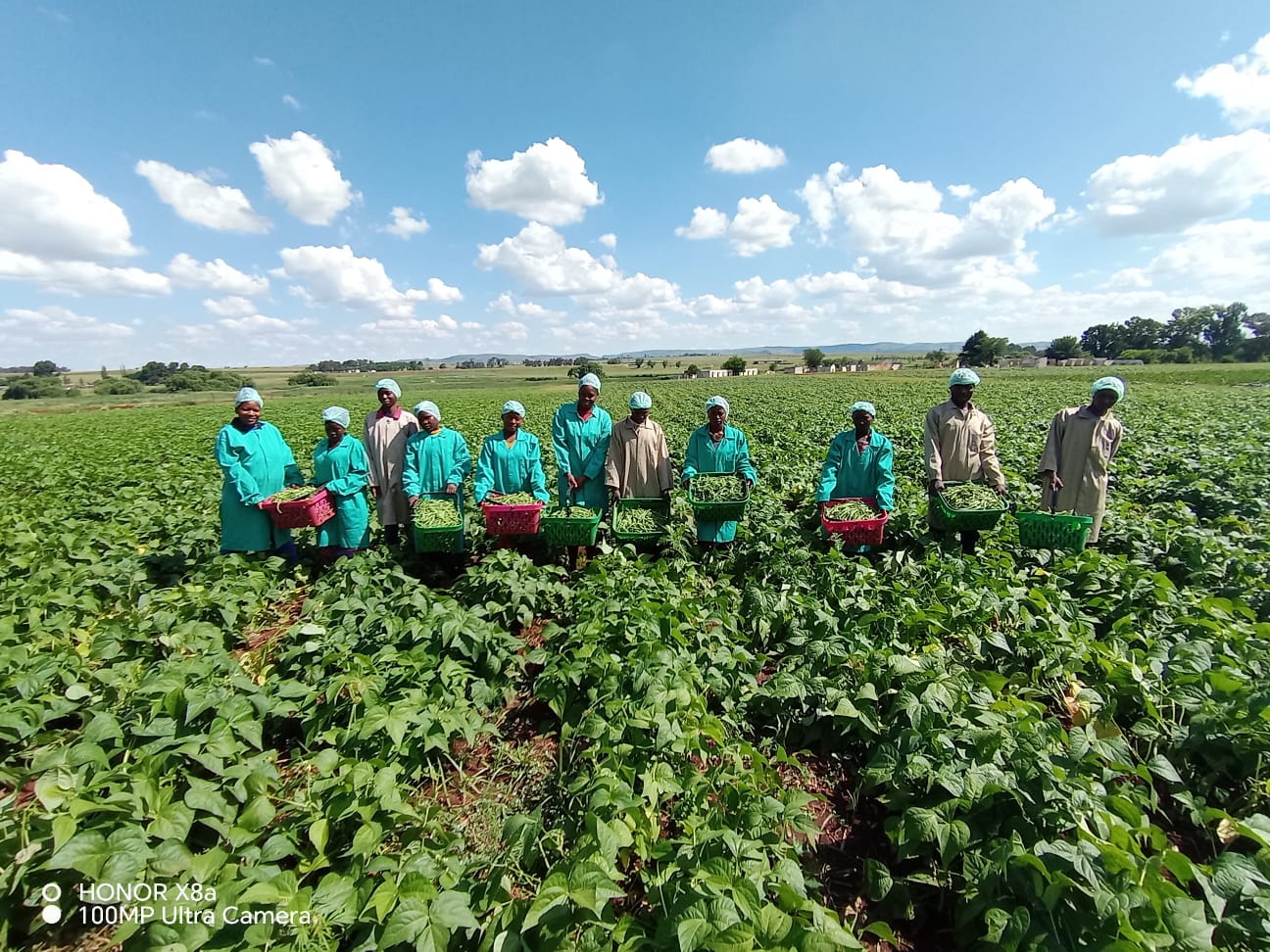
For Sophy, the journey from small-scale farming to supplying major retailers in South Africa did not happen overnight. “It started with focusing on consistently producing high-quality patty pans, butternuts, green beans and spinach on a small but disciplined scale. I firstly built trust in our local markets, where every delivery had to meet strict freshness and grading standards.
“As Vhegies Pty Ltd, we reinvested earnings back into the farm, expanding irrigation systems, improving soil health and introducing better seed varieties. We also strengthened our post-harvest handling so that our vegetables could meet retail shelf-life requirements.”
A turning point on her journey to becoming the mastermind behind Vhegies Pty Ltd, was learning to treat farming like a business, not just production. Sophie learned to understand contracts, supply schedules and retailer expectations. “Building relationships with buyers and consistently delivering on time helped us scale our production.
With hunger and malnutrition being such devastating problems in South Africa, Sophy says her company’s responsibility to address these issues goes beyond producing vegetables. “We see ourselves as part of the solution to food insecurity and poor nutrition in our communities. While we may not always run large formal feeding programmes ourselves, we actively contribute in practical ways.
“One of the most important things we do is collaborate with local schools, retailers and community organisations to make fresh vegetables more accessible and affordable. We also support awareness efforts by sharing knowledge about the nutritional value of crops like spinach, butternuts, green beans and patty pans, foods that are rich in vitamins, fibre and essential minerals for growing children.
Another of Sophy’s remarkable achievements is creating jobs in a country plagued by unemployment. Currently, she employs 25 permanent staff members and around 50 seasonal workers at Vhegies, depending on production cycles and peak harvest periods.
“This is something we are deeply proud of, because employment goes far beyond just numbers for us. It represents real families, real responsibilities and real livelihoods. In a country where unemployment remains a serious challenge, being able to create both stable and seasonal work opportunities is a meaningful part of our contribution to society.”
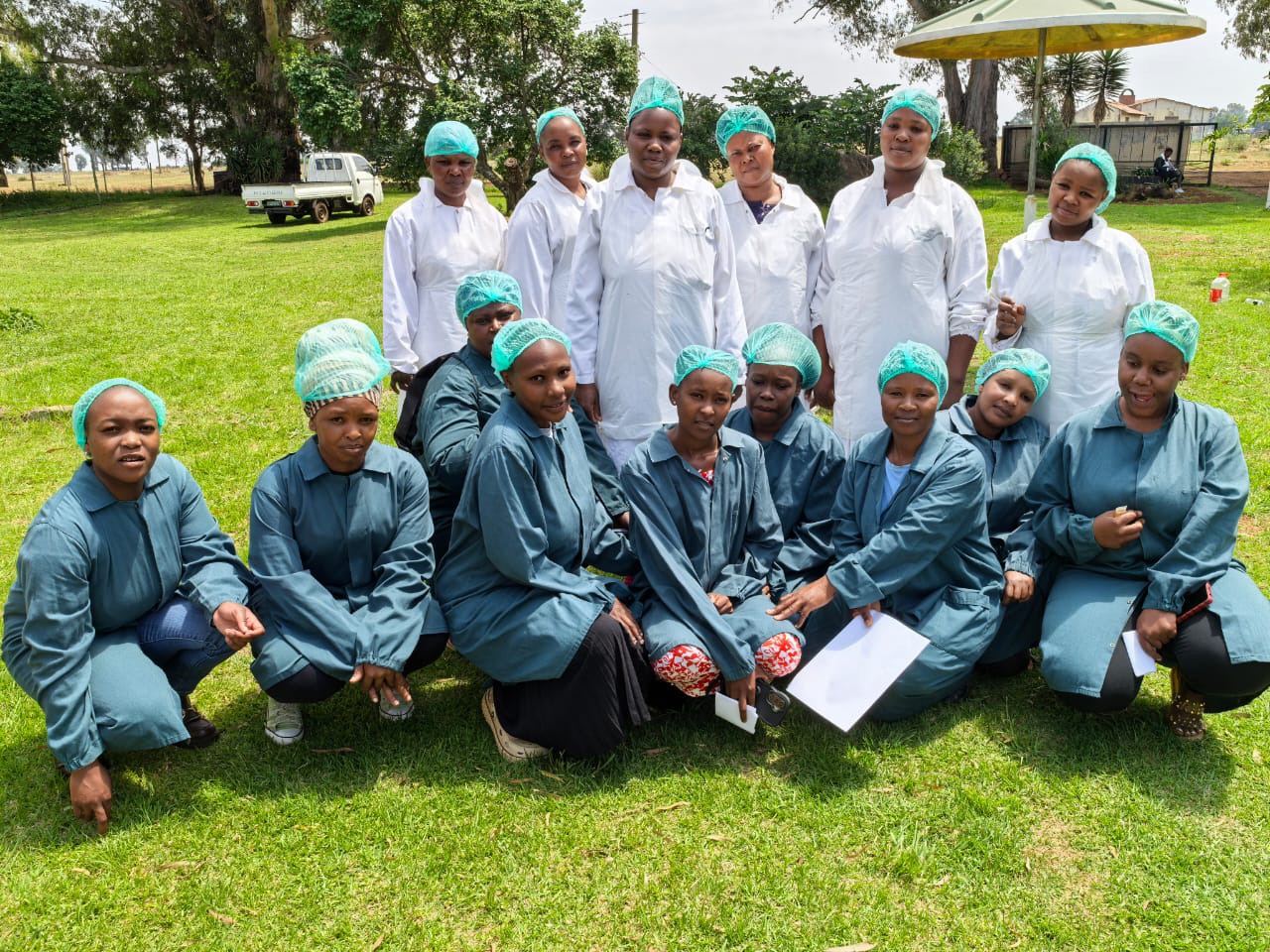
Always advocating for women’s rights, Sophy is deeply invested in and focuses strongly on employing women, which she says is one of the most defining aspects of the business.
“With around 90% of the workforce being women, this means most of the production, packaging, quality control and day-to-day farm operations are driven by female employees. These roles typically include planting, weeding, harvesting vegetables like patty pans, butternuts, green beans and spinach, as well as sorting, grading and preparing produce for retailers.”
Patience, discipline, observation and consistency
As someone who did not receive anything on a silver platter, life often taught Sophy valuable lessons. She believes in sharing her knowledge with aspiring farmers, incorporating the “pay it forward principle” in everything she does.
“To all the women in South Africa who are stepping into farming, especially those starting small with limited resources, my message is simple: start where you are, with what you have and grow steadily. Farming is not only about land or money; it is about patience, discipline, observation and consistency.
“Many successful farmers begin exactly like that on a small piece of land, sometimes even a backyard garden. The important thing is to treat even a small plot like a serious business from day one. Learn your soil, understand your crops and don’t rush growth. Farming rewards those who respect the process.”
She says aspiring female farmers, particularly those who do not have access to large amounts of money, should focus on high-value, fast-growing crops such as spinach, onions, tomatoes or green vegetables that can generate income quickly. “Reinvest every profit back into your farm instead of spending it too soon. Growth in farming often comes in cycles. What you earn in one season becomes the seed for the next.”
New horizons
After all these years, Sophy’s entrepreneurial spirit still prevails, and she is ready to take on a new challenge: exporting her produce to the international markets.
“Our export plans are progressing steadily. We are already supplying produce within the SADC region, which has helped us build experience with regional logistics, quality standards and consistent supply.
“At the same time, we are currently working on entering the German market. This process is still in progress as we continue to meet the required export standards, certifications and packaging requirements needed for that market. It is an exciting step for us because it opens opportunities for growth and exposure to a more competitive international market.”
To Sophy, Women’s Month is a time to uplift other women. “To women in farming and those aspiring to enter the sector: use every opportunity to learn, whether from training, other farmers or even your own mistakes. Don’t be afraid to innovate or to try new markets. Most importantly, support other women, because when women work together in agriculture, communities become stronger and food systems become more resilient.”
Aspiring female farmers are welcome to contact Sophy on 082 5957 939 or 083 3957 671, send an email to info@vhegies.co.za or visit the website: www.vhegies.co.za