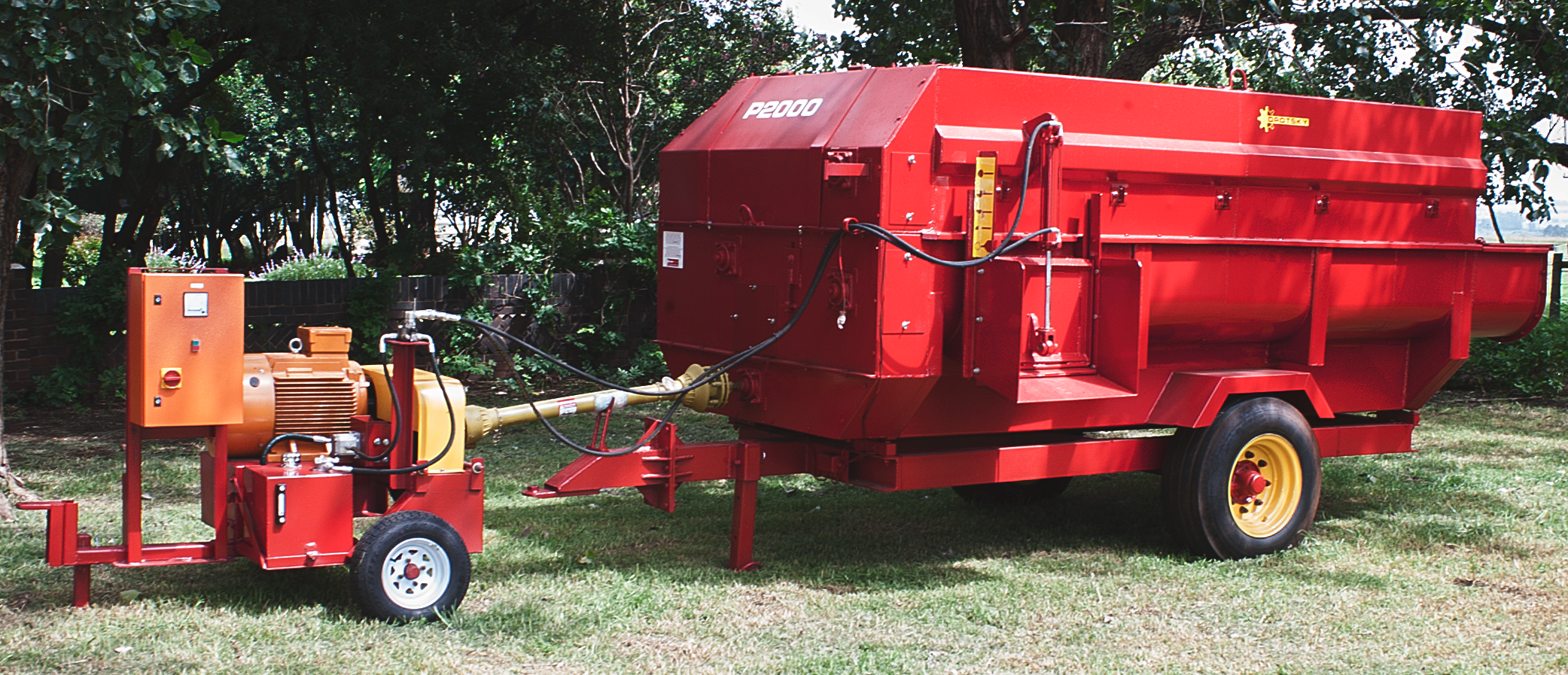
A business can build machines, but it takes people to build a legacy. For more than 60 years, the familiar red and yellow Drotsky machines have been hard at work on farms across South Africa and beyond. Behind every hammer mill, feed mixer and piece of equipment, however, is a company whose history has been shaped not only by steel and engineering, but by the people who manufacture the machines.
Since 1962, Drotsky has grown from humble beginnings into a well-known name in agricultural equipment. Through changing technology, changing markets and generations of employees and customers, the company has remained rooted in values that have helped it endure: quality workmanship, practical innovation, knowledge, loyalty and, importantly, investment in people.
From a garage to a household name
The Drotsky story began in 1962 when Gert Drotsky built the company’s first hammer mill in his garage.
What started with that single machine would eventually develop into a South African manufacturing business supplying equipment to farmers and other industries across the country, the African continent and even further abroad.
Tewis van der Ryst later took over the company, and while the agricultural industry continued to change, Drotsky adapted with it.
The company has built its reputation on professionalism, sound business principles and practical knowledge accumulated over decades. Its equipment is designed and manufactured with African conditions in mind, an important principle for machines expected to work hard, often in demanding environments.
Today, Drotsky’s equipment is used for applications ranging from agricultural feed and maize processing to other specialised industries. Yet the philosophy behind the business remains remarkably close to where it started: build something useful, build it properly and make it last.

Values that extend beyond the product
Durability is associated with Drotsky’s machinery, but the same principle can be seen in the relationships the company builds with its people.
Skills, knowledge and experience are treated as assets worth developing and passing on.Rather than viewing manufacturing simply as a production process, Drotsky has created opportunities for employees and young artisans to learn practical skills inside a working factory environment.
That approach is particularly important in a country where technical and artisan skills can provide young people with a pathway towards meaningful employment.
Drotsky has worked with training institutions including Hamba Nathi Technical Training Centre, Ekurhuleni West and Ekurhuleni East to equip students specialising in welding and boilermaking with workplace experience.
The company became recognised as an approved provider of on-the-job training, allowing students to use the knowledge they gained in the classroom and apply it in a real manufacturing environment.
Students are not simply placed in one corner of the factory and expected to observe. They gain practical exposure to the work involved in manufacturing Drotsky equipment.
Trainees have previously been assigned to experienced staff members before they rotate between different workstations, allowing them to gain experience in various departments and with different machinery. Once capable of working independently, they can progress to the production line. In this way, knowledge accumulated over decades does not stop with one generation of artisans; it is transferred to the next.

Building skills and opening doors
Drotsky’s approach to training is also reflected in the opportunities it has created for women in manufacturing.
Women have been part of the company’s welding workforce for decades, with Drotsky’s first female welder joining the company in 1985.
More recently, the company has continued investing in this area. In 2025, Drotsky trained another 18 women as welders, allowing them to develop a technical qualification and practical skills that can support them throughout their careers.
It is a fitting example of what building a lasting heritage really means.
A legacy is not only something inherited from the people who came before you. It is also something you deliberately create for the people who will come after you.
The same philosophy extends to Drotsky’s customers. The company provides training on its products regarding technical support, while agents receive training to ensure that customers can access the necessary product knowledge, technical support and spare parts.
Drotsky therefore does not simply manufacture a machine and send it out of the factory gate. Knowledge remains an important part of the product.
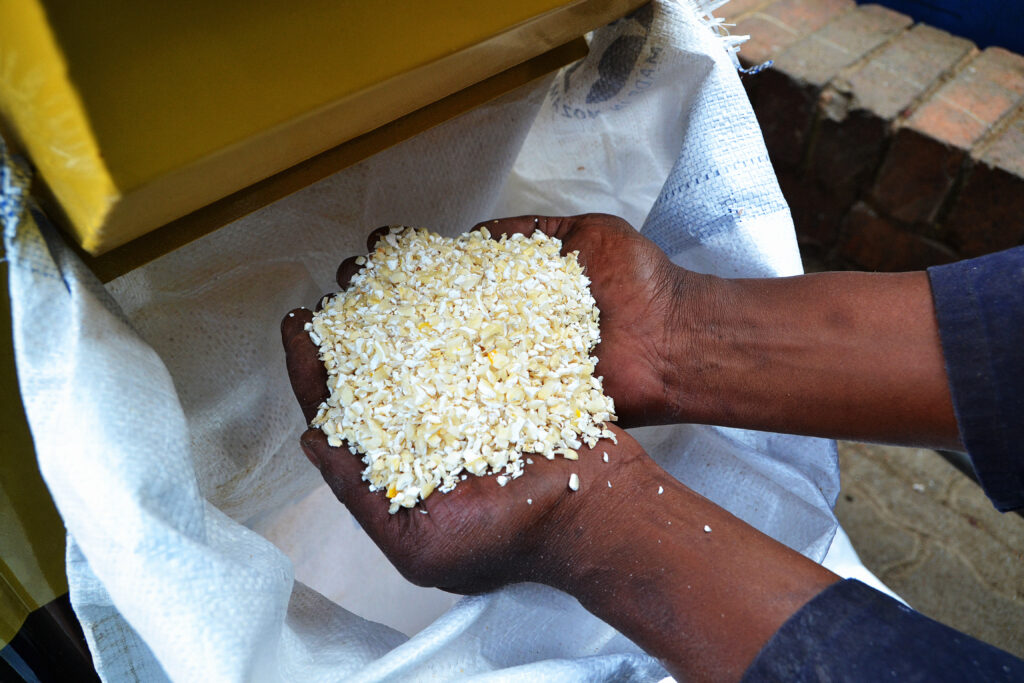
Among its many applications, Drotsky’s equipment is used for processing feed and maize.
Taking care of the people behind the machines
Investment in people does not always have to come in the form of formal training.
Sometimes it is something as simple, and as important, as making sure everyone has something good to eat.
Every working day, Drotsky provides its employees with a cooked lunch.
It might seem like a small detail in the story of a company that has manufactured agricultural machinery for more than six decades, but it says a great deal about its values.
The machines leaving the factory may have the Drotsky name, but it is the hands of its employees that cut, weld, assemble, test and prepare them.
Looking after those people is therefore part of looking after the business itself.
This people-centred approach is also noticeable in the long service of some employees and in the understanding that workers have lives and families beyond the factory. Previous generations built the company’s knowledge and reputation, while today’s employees are responsible for carrying it forward.
More than 60 years … and still building
A great deal has changed since Gert Drotsky built that first hammer mill in his garage in 1962.
Manufacturing technology has advanced. Agriculture has become increasingly mechanised and automated. Customers expect greater efficiency, technical support and specialised solutions.
Drotsky has changed along with it. But some things have remained constant.
The company continues to manufacture equipment designed to work under demanding conditions. It continues to develop the technical knowledge behind those machines. It continues to train people who can carry those skills into the future. And it continues to invest in the employees who are manufacturing Drotsky’s products every day.
Perhaps that is why the Drotsky name has lasted.
Its heritage is not simply preserved in an old photograph or in the first hammer mill produced more than six decades ago.
It can be found on the factory floor, in experienced hands teaching younger ones, in new artisans learning a trade, in employees sitting down to a hot meal together and in another red-and-yellow machine leaving the factory ready for work.
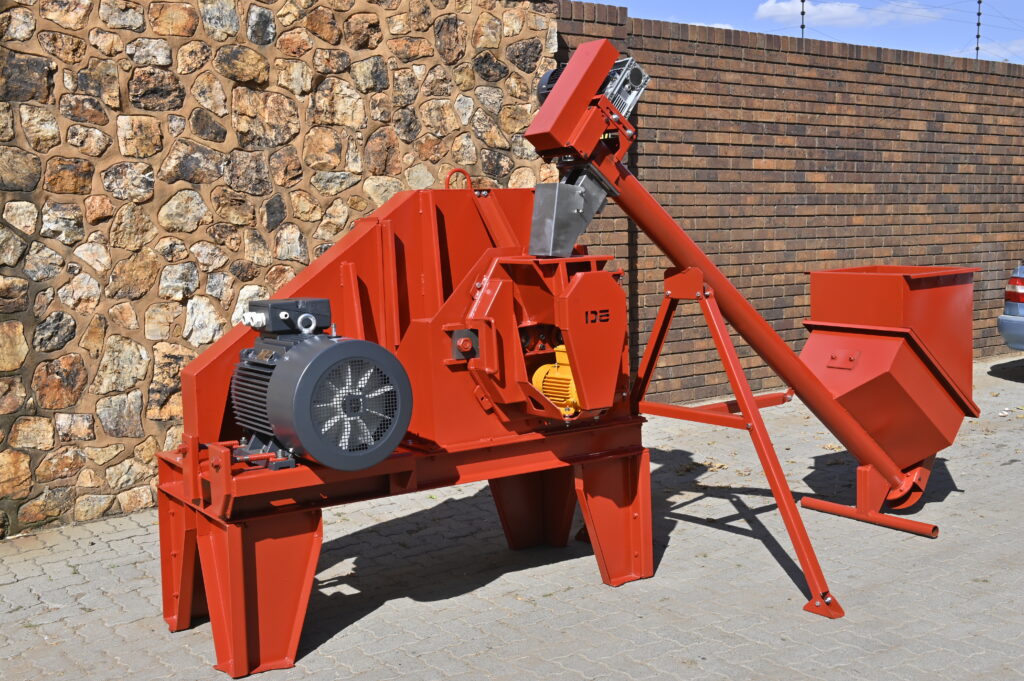
Drotsky’s heritage is still being built every day
Over many decades, Drotsky has built more than dependable agricultural equipment; it has built relationships, developed skills and invested in the people behind every machine.
Whether you are looking for reliable equipment, expert advice or a partner with generations of experience behind its name, Drotsky is ready to help you find the right solution for your operation.
Contact Drotsky on (011)-864-1601 to learn more about the range of agricultural equipment, services and support. Visit www.drotsky.co.za to find out more.