Feed milling is one of the most important processes in the livestock feed industry and it plays a determining role in the health, growth and production of livestock. By using the correct milling strategy, producers can ensure that animals don’t only receive the necessary nutrients, but that these nutrients are also used optimally.
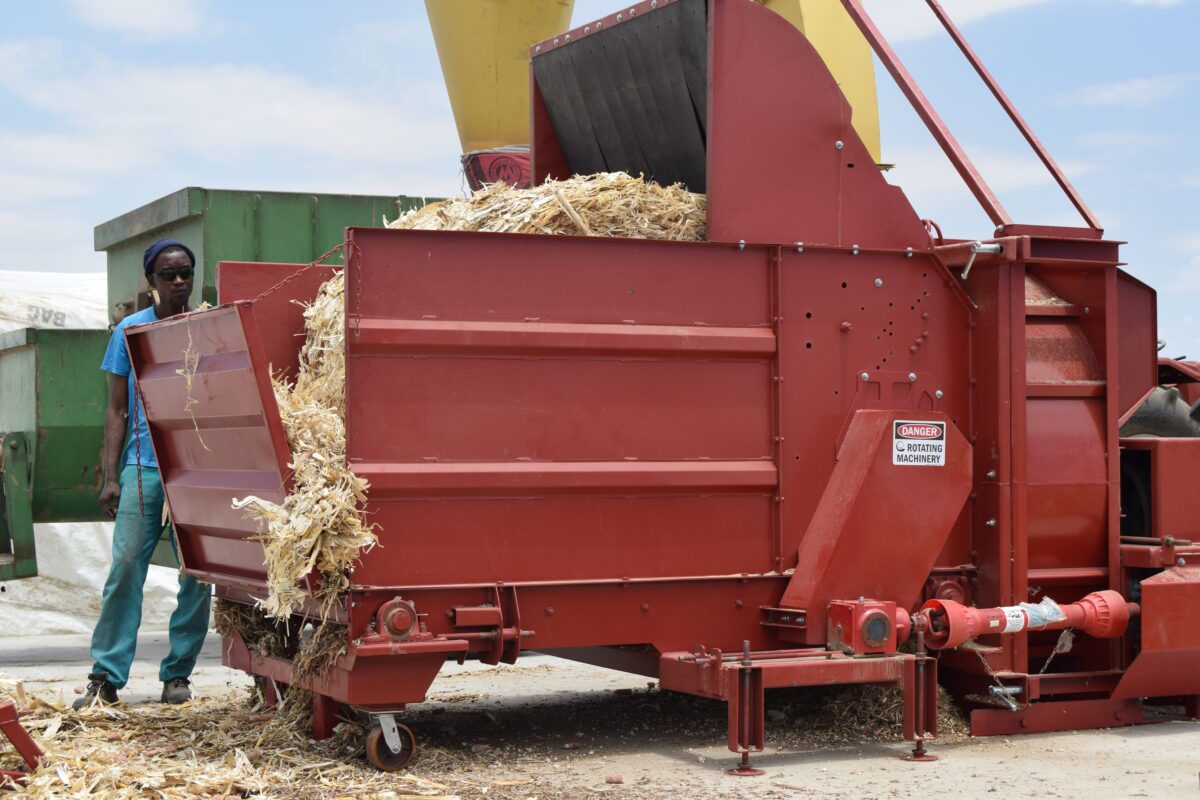
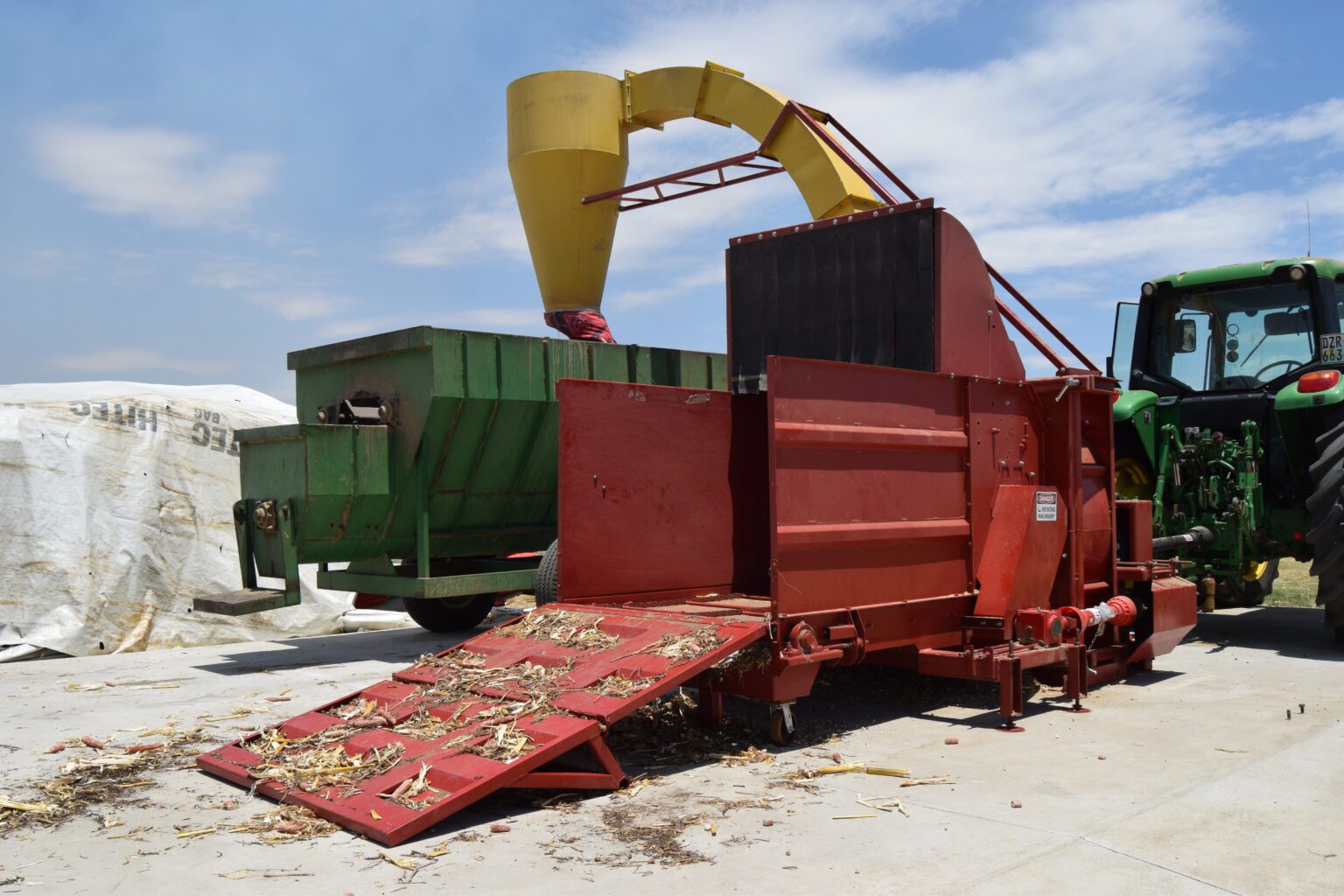
In South Africa, the hammer mill is one of the implements that is most often utilised to reach this goal. The machine is reliable, versatile and suited to a wide range of raw materials, without requiring complicated settings.
Primary goal and advantages of feed milling
The most important goal of feed milling is to improve the digestibility of raw materials. When grain or other nutrients are processed by a feeding mill, the particles become smaller and more digestible, which results in animals being able to utilise the maximum amount of energy and proteins from one single portion of feed.
Another significant advantage is the reduction of waste. Larger or uneven particles can be easily removed or partially digested, which leads to unnecessary losses. A consistent milling result ensures that animals can consume and utilise the entire ration.
Feed milling also simplifies the handling of raw materials. Milled feed mixes more simply, flows better and can be stored and transported easily.
Another important advantage is that feed milling improves and speeds up the mixing processes.
Many farmers use mixers to cut bales of grass, lucerne or hay finely and to mix them into rations. However, this process can be time-consuming and energy-intensive. When the material goes through a hammermill beforehand, it’s already in a suitable particle size. As a result, the mixer works quicker and more effectively saving valuable time on the farm.
Less time during the mixing process not only decreases energy consumption but also leads to a significant decrease in the cost of the final product. This advantage means that hammermills are strategic resources in both small- and large-scale feed productions.
Lastly, milling is simply a prerequisite for pilling. Without a consistent particle size, pills can’t form a strong structure, which leads to breakage and unnecessary particle loss.
Other uses of feed milling
Although feed milling is primarily used in animal nutrition, it also offers value in other sectors. Milled products pack better, which improves storage and transport efficiency. In agriculture, it’s used in fertilisation and composting, since finer material breaks down quickly.
It also contributes to waste management, during which surplus material is recycled and used for other purposes. Food milling is also used in the food and spice industry, for laboratory tests and even as light bedding for animals. This versatility emphasises the fact that feed milling is much more than just another step in animal nutrition.
Economic and practical value
For the farmer an effective milling process means lower costs and a better yield. Since animals receive more nutrition from the same amount of feed, fewer raw materials are required. Each kilogram of feed therefore works harder and consequently the total production cost decreases per unit of milk, meat or eggs.
Milling also helps to streamline processes on the farm. It decreases labour time, lowers wastage risk and helps to make it easier to formulate feeds consistently.
Feed milling, and specifically the use of hammer mills, is therefore an important element in successful animal nutrition. It improves handling and supports pilling.
For every producer who strives for better health, higher productivity and more sustainable farming, feed milling remains a key component of the animal nutrition chain.