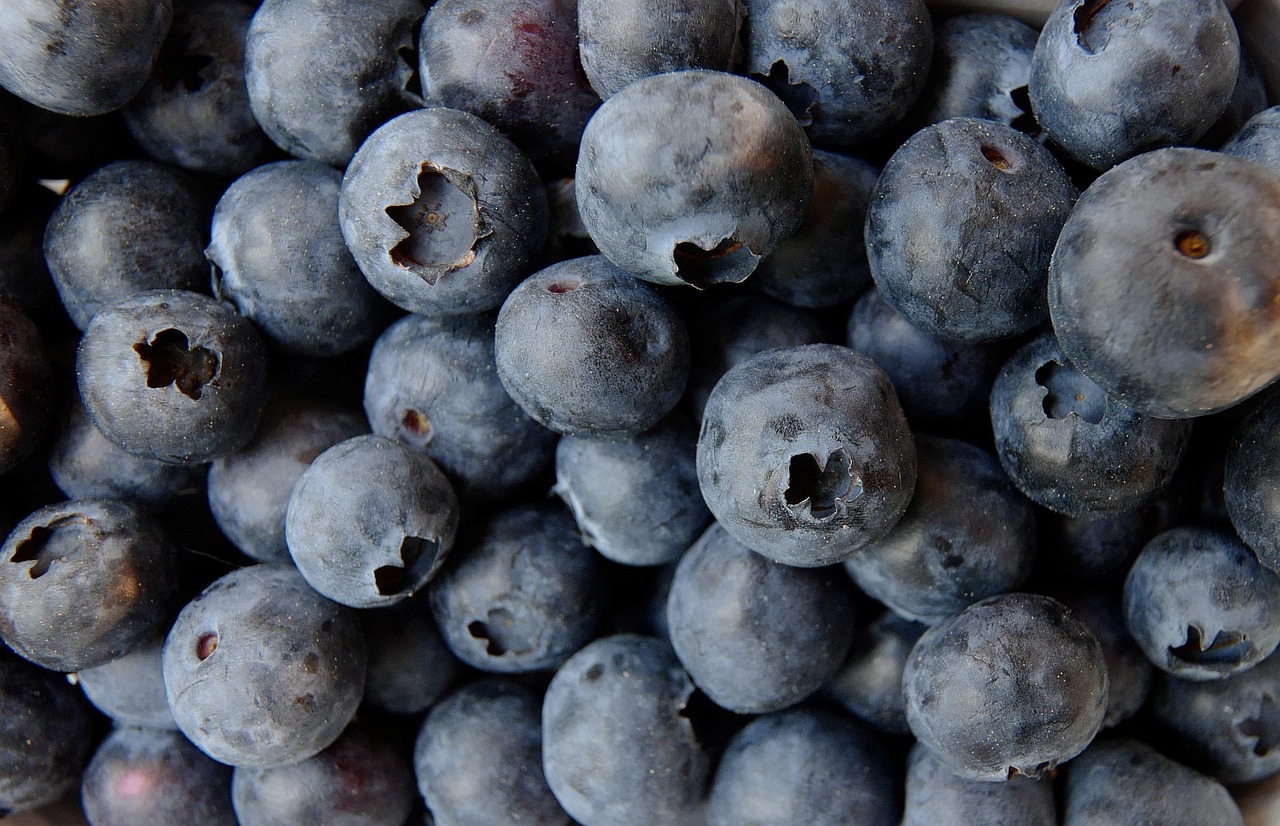
Pan African Resources, in partnership with agricultural specialist Primocane Capital, is proud to highlight the ongoing success of its commercial blueberry venture, Barberton Blue.
Having successfully achieved its initial target of 120 tonnes during its inaugural commercial harvest, the project is firmly establishing a sustainable parallel economy on land adjacent to the historic Barberton gold operations. The 2026 season has benefited from a milder winter, and the farm is targeting a record harvest.
Originally launched as a Corporate Social Investment (CSI) initiative to diversify the local economy, Barberton Blue has demonstrated that high-value precision agriculture can thrive alongside traditional mining operations.
Following its foundational 120-tonne harvest, the project’s mature development phase is optimized to target 300 tonnes of annual export-quality blueberries.
The project currently operates across approximately 15 hectares under state-of-the-art net infrastructure. Phase two and three rollouts aim to scale the commercial footprint to 45 hectares.
True to its job-creation mandate in Mpumalanga, the initial phases have already provided stable livelihood opportunities, supporting 22 permanent roles and hundreds of seasonal harvesting positions. At full 45-hectare expansion, the farm targets peak employment of approximately 750 seasonal and permanent jobs.
Berries harvested at the facility are packaged for premium international retail markets, targeting consumers across the United Kingdom, European Union, Middle East and Asia.
The project is certified to the GLOBALG.A.P., SIZA Environmental and SIZA Social standards, each independently audited against recognised benchmarks for food safety, environmental stewardship and worker welfare.
“Barberton Blue is designed to build sustainable economic opportunities for the town that will endure long after the life of the mine has passed,” says Nwabisa Dana, Farm Manager at Barberton Blue. “Reaching our baseline commercial yields demonstrates the immense agricultural potential of this region,” she says.
The farm’s competitive edge is its ability to produce fruit early in the season, supporting its position in premium international retail programmes. Frost in June and July can push harvesting later in the season, which the farm works to avoid. The strategy is therefore to bring production forward, ahead of the frost window, for both marketing and long-term sustainability reasons. Site selection, cultivar choice and the timing of pruning and husbandry activities are all managed towards this goal, supported by on-farm weather monitoring.