Every season begins with optimism. Every seed planted represents an investment in a future that can never be guaranteed. That has always been the nature of agriculture.
What has changed is the scale and complexity of the uncertainty producers must now navigate.
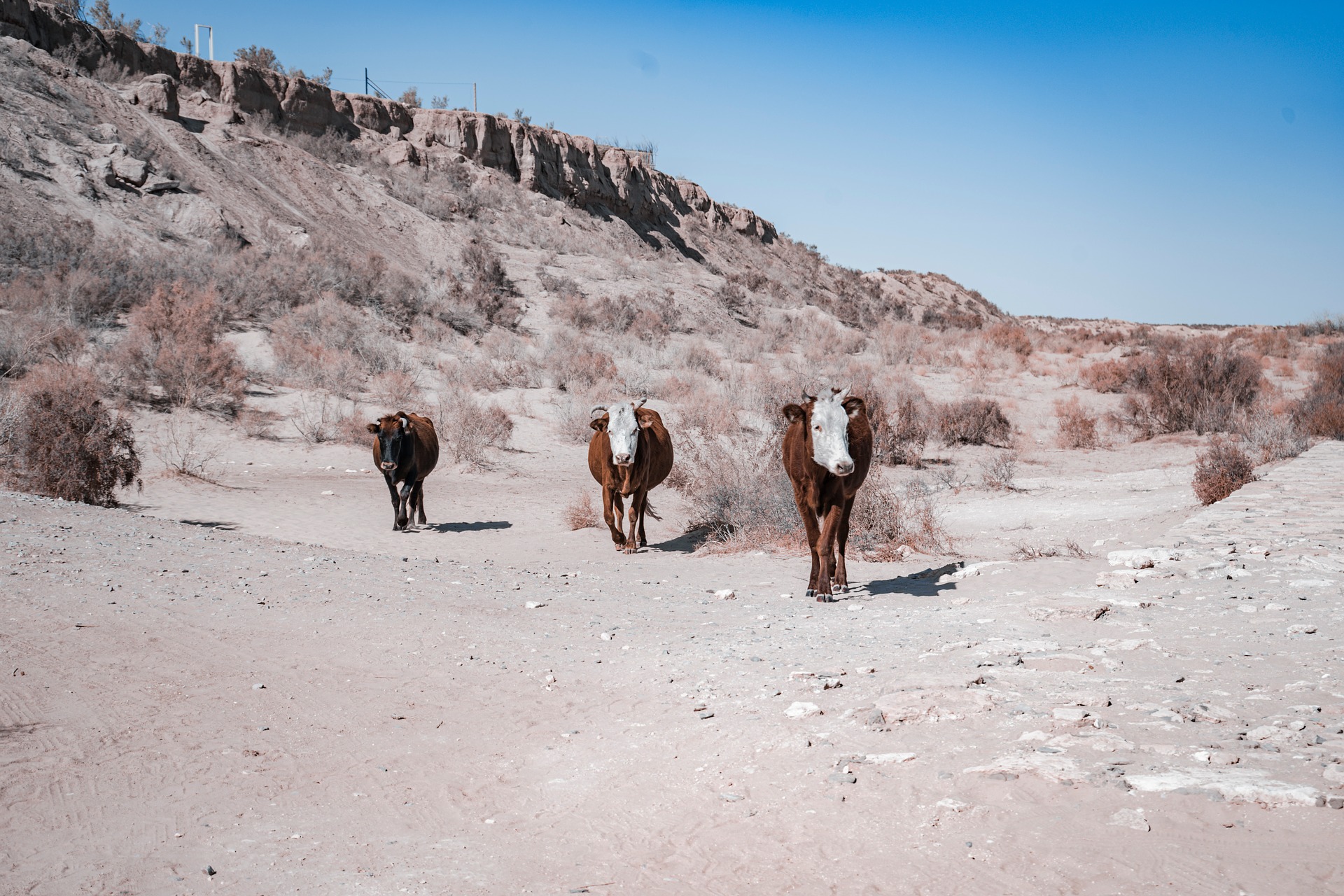
Extreme heat, prolonged dry periods and intense rainfall are reshaping the production environment, often within a single season.
The challenge is no longer simply producing higher yields. It is building farming systems capable of performing consistently in increasingly unpredictable conditions.
This requires a fundamental shift in thinking. For decades, agricultural success was largely measured by a farm’s ability to optimise yield under favourable conditions. Today, the defining characteristic of successful farming businesses is increasingly their ability to remain productive when conditions are less than favourable.
In other words, resilience is becoming one of agriculture’s most important competitive advantages. The weather cannot be managed. Preparation can.
Preparing for weather fluctuation begins with understanding that every event sets off a chain reaction beneath the surface. Heat places greater pressure on plant physiology, drought limits biological activity and nutrient availability, while saturated soils restrict oxygen, weaken root function and reduce nutrient uptake. At the same time, shifting environmental conditions influence the behaviour of pests, weeds and diseases, creating additional challenges throughout the growing season.
Protecting yield potential therefore requires far more than responding to individual events. It requires building resilience into the farming system long before stress occurs.
The foundation of that resilience is soil quality. A functioning soil does far more than anchor roots. It regulates water movement, supports biological activity, cycles nutrients and creates the environment in which roots can explore, develop and perform.
When soil functions efficiently, crops are better equipped to absorb shocks, withstand environmental pressure and recover when favourable conditions return.
Yet soil remains one of the most underutilised risk-management tools available to producers. Too often, resilience is viewed through the lens of inputs and interventions rather than the farming system as a whole.
One of the greatest misconceptions in agriculture is the belief that resilience can be built in a single season. It cannot. Resilience is cumulative. It is the result of decisions made consistently over many years that gradually improve the productive capacity of the soil and the farming system.
At its core, soil quality is built on three pillars:
- Chemical
- Biological
- Physical
Each pillar plays a critical role in determining how effectively a soil can store water, cycle nutrients, support root development and withstand environmental stress. When one pillar is neglected, the resilience of the entire system is compromised.
This is why resilience should not be viewed as a seasonal objective, but as a generational investment in the long-term productivity of the land.
From that foundation, every agronomic decision contributes to the outcome. Selecting crop varieties suited to local conditions, implementing balanced nutrition programmes, maintaining active root systems and incorporating scientifically validated biostimulants, all play a role in strengthening the crop’s natural ability to cope with stresses.
Equally important is remaining responsive throughout the season. In a volatile production environment, static programmes often struggle to keep pace with changing realities. Producers increasingly need decision-making frameworks that enable them to adapt as conditions evolve.
Resilience is not created by a single product or practice. Resilience is built through an integrated approach where stewardship, genetics, nutrition, biology, technology and practical agronomy work together to reduce risk and support sustainable productivity over time.
This is where the conversation around resilience often falls short. There is a tendency to look for quick solutions to what are fundamentally long-term challenges.
The farms that consistently perform over decades are seldom those that rely on isolated interventions. They are those that continually invest in the chemical, biological and physical quality of their soils while adapting management practices as conditions evolve.
This is where partnership matters. Working alongside experienced agronomists provides producers with the insight to interpret seasonal challenges, evaluate field-specific risks and make informed decisions which are based on science, local knowledge and ongoing field observations.
Every proposal should strengthen the next, creating a connected system that continuously improves a farm’s capacity to manage uncertainty.
This systems-based thinking is what underpins the Omnia Nutriology® Model. Rather than viewing soil, nutrition, biology, environmental conditions and management decisions in isolation, the model recognises that each element influences the next.
By integrating scientific analysis, agronomic expertise, data-driven insights and practical on-farm experience, the model enables producers to move beyond reactive decision-making moving towards a more resilient and sustainable approach to production.
Agriculture has never rewarded certainty. It has rewarded sound judgement, adaptability and a willingness to prepare before challenges arise. The producers who consistently succeed in the future will not necessarily be those who receive the best rainfall or avoid every weather event. It will be those who invest in resilient soils, apply integrated agronomic thinking and continue making informed decisions from planting through to harvest.
Resilience is not built when stress arrives. Resilience is built in every decision and strengthened through a long-term commitment to improving the chemical, biological and physical foundations of the soil.
In a world where uncertainty is becoming the norm, preparedness may prove to be agriculture’s most valuable input.
The strongest crops are therefore not defined by the absence of stress, but by the strength of the system that supports them long before stress occurs.
Because resilience is not a seasonal objective. It is a generational commitment.