Agriculture remains the cornerstone of economic activity across West-Central Africa, providing food for communities, sustaining livelihoods, and contributing to economies. Yet, despite its potential with plentiful natural resources and fertile land, production levels are below potential, and agricultural capabilities remain largely untapped. Productivity is still constrained by traditional practices, limited access to resources, and increasing climate challenges.
While Bayer may be globally recognised as a life sciences company headquartered in Germany, our presence in West Central Africa is both significant and a source of immense pride, particularly when it comes to agricultural development and innovation.
With a foothold in the region dating back to 1961 through companies since acquired by Bayer, we have had a longstanding history of engaging with and investing in West-Central Africa. We continue to see more opportunities than challenges, actively supporting smallholder farmers with modern farming solutions that promote sustainable agriculture. Our impact is both inclusive and future driven, focused on sustainable long-term food security.
Adoption of modern farming to drive sustainable growth
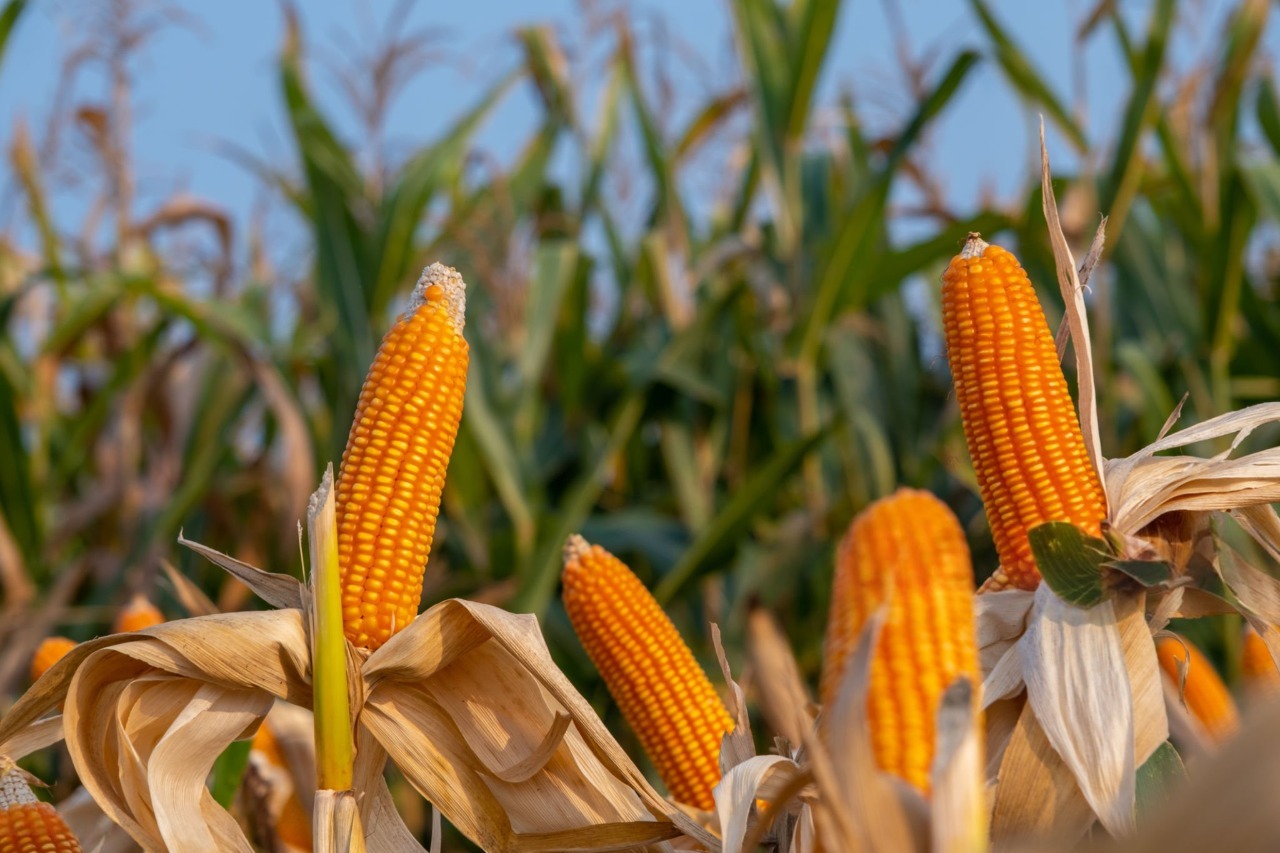
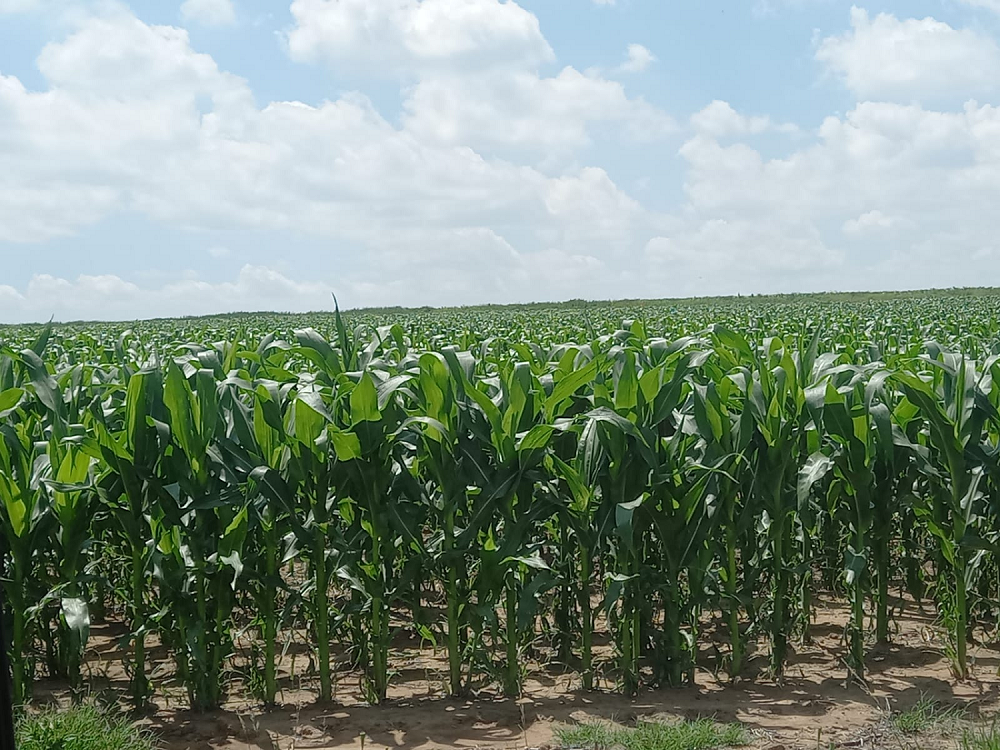
From cocoa and rice to maize, and cotton, West-Central Africa produces crops that not only feed local populations but also supply global markets.
The adoption of modern farming has become critical to better utilise the land and make the most of its potential. Tools, technologies, and techniques are readily available and becoming more accessible to scale productivity, improve resilience, and protect the environment. Improved yields, better soil health, and sustainable growth is possible through regenerative agriculture, precision farming, better crop protection, and access to high-quality seeds together – all areas where Bayer is actively making a difference.
Côte d’Ivoire’s agricultural progress is one such example.
Whereas some countries in the region have been resistance to the adoption of modern farming, Côte d’Ivoire has embraced innovation in farming, including the adoption of climate-smart agriculture practices, resulting in increased crop productivity, better market access, and more resilient crops. Their success highlights what is possible when innovation meets political will and community engagement, and one that we at Bayer are particularly proud of.
According to the Climate-Smart Agriculture in Côte d’Ivoire report from 2018, jointly published by the Food and Agriculture Organisation of the United Nations (FAO), International Crops Research Institute for the Semi-Arid Tropics (ICRISAT), and the International Center for Tropical Agriculture (CIAT), Côte d’Ivoire has made significant strides in improving farming that have boosted productivity, enhanced resilience, and reduced environmental impact. Key improvements include improved irrigation techniques, use of organic manure, and erosion control methods. These innovations have led to higher yields, diversified incomes, and improved food security, especially among small-scale farmers. Supportive government policies, public-private partnerships, and international funding have further enabled the scaling of climate-smart practices, positioning agriculture as a key driver of sustainable development in the country.
Critical conversations to help West Central Africa to thrive
Our long-term commitment to the region goes far beyond our presence. We have fought to be part of the key conversations shaping the region’s agricultural future. Whether it’s at the Africa CEO Forum or the Africa Food Systems Forum, we continue to advocate for inclusive policies, investment in rural infrastructure, and the adoption of climate-smart farming.
By working in collaboration with governments, financial institutions, and NGOs, we have been able to provide farming support that includes improved crop yields, advanced equipment and tailored training to empower farmers with the resources they need to thrive.

Tim Cohen – Bayer
Programmes to increase impact and innovation
Some of our other impactful initiatives in the region include the Better Life Farming (BLF) programme.
Since 2018, Bayer, alongside the International Finance Corporation (IFC) and global precision irrigation solutions company, Netafim, are uplifting rural communities by building an ecosystem around smallholder farmers. In Côte d’Ivoire, 32 BLF centers now serve as one-stop hubs for seeds, crop protection, technical support, and financial services. These centers are part of Bayer’s global ambition to empower 100 million smallholder farmers by 2030, with 21 million targeted in Africa alone.
Also, our Safe Use Ambassador Program, launched in Côte d’Ivoire in November 2022, is making significant strides in promoting responsible agricultural practices. This initiative trains agricultural students to become certified Safe Use Ambassadors. To date, over 400 students in Côte d’Ivoire and Nigeria have completed the program and educate thousands of farmers on the safe handling and application of crop protection products.
Modern farming transformation also cannot succeed unless it is inclusive. The Bayer Foundation Women Entrepreneurs Award is another initiative that, launched in partnership with the Impact Hub Network, celebrates women driving sustainable innovation in health and food security. Among this year’s 30 finalists is a pioneering entrepreneur from Ghana. With over 4.5 billion people lacking access to essential health services and 733 million still undernourished, Bayer uses initiatives like this to spotlight bold, collaborative solutions to some of the world’s most urgent challenges.
Productivity and sustainability go side by side
Embracing the idea that producing more and restoring more must go hand-in-hand, the shift towards regenerative agriculture in the region needs to include supporting soil health.
Integrated crop protection, the promotion of biodiversity, and driving water efficiency using smart irrigation tools achieves productivity and sustainability, a stance that is central to our global Crop Science vision at Bayer. In a time of climate uncertainty, these solutions are no longer optional, with tools now designed to help farmers make better choices in real-time, safeguarding both their yields and their land for future generations.
Long-term partnerships and vision
The choices we make today when it comes to technology, training, financing, and sustainability, will shape food systems for decades to come. Far from seeing ourselves as outsiders, Bayer is and will remain long-term partners to governments, cooperatives, NGOs, and especially farmers in West Central Africa’s agricultural transformation space.
Together with our many partners, we need to continue co-creating solutions, and support a farming future that is modern, resilient, and inclusive towards the shared goals of food security, economic stability, and environmental sustainability.