


In an industry often defined by machinery and materials, the real story behind Gundle API is something far more human. At its core, the business is built not only on technical expertise and manufacturing scale, but on people, pride and an unwavering commitment to quality.
Across the business, from the factory floor to the front office, there is a clear sense that Gundle API is doing more than just manufacturing plastic. It is building consistency, reliability and long-term trust, qualities that matter deeply in both agriculture and construction.
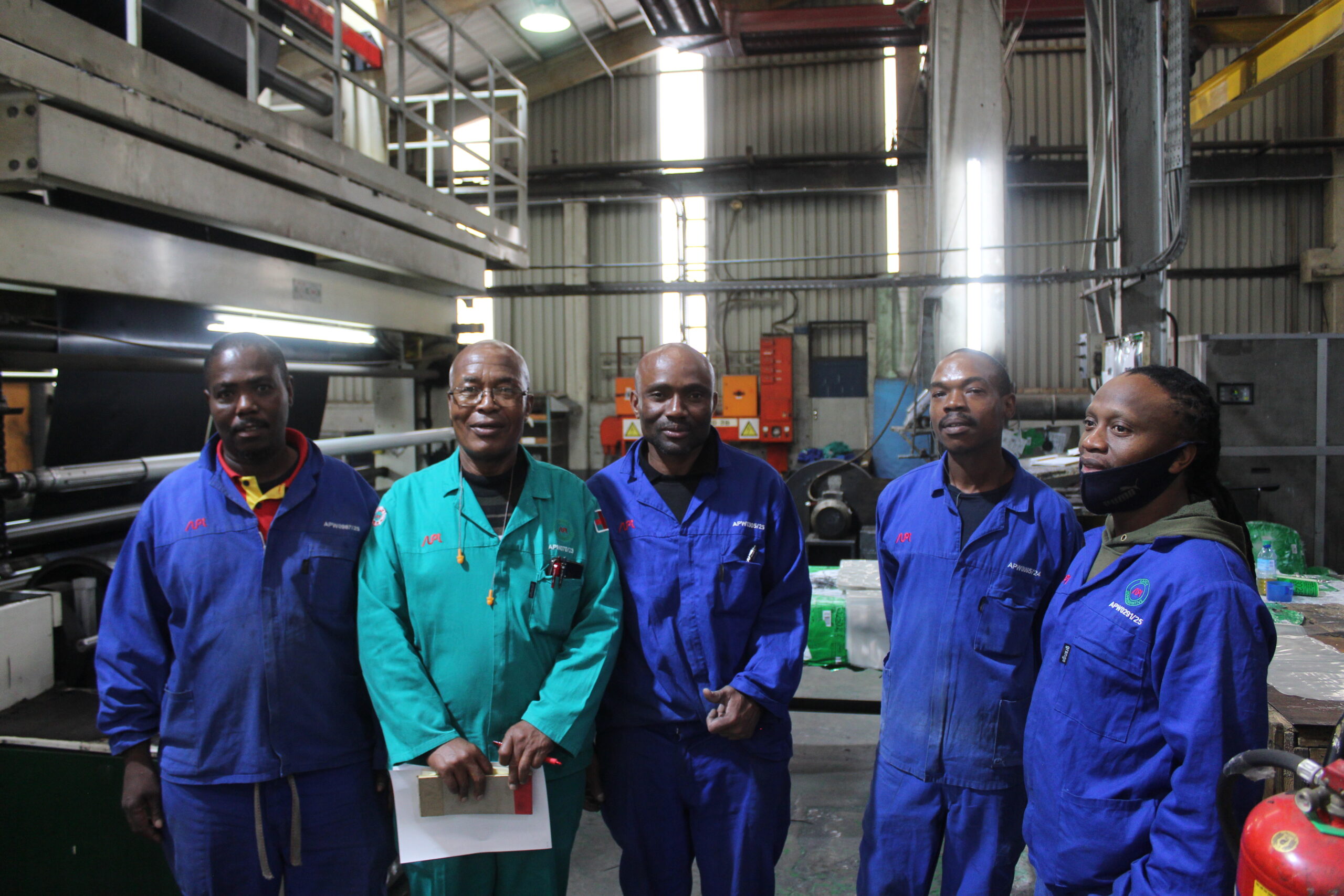
That foundation starts with its people. The company’s workplace culture is rooted in respect, openness and a shared drive to improve. According to HR Officer Cheri Leipoldt, the diversity within the business, such as different cultures, personalities and skill sets, creates a strong sense of unity rather than division. Employees are encouraged to speak up, grow into their roles and push beyond expectations, supported by an open-door managerial approach. As Leipoldt explains, when people feel valued and appreciated, they don’t just come to work; they go above and beyond.

Consistency and quality
It’s a simple principle, but one that has a measurable impact. When people take ownership of their work, quality becomes second nature, and in a production environment, that translates directly into consistency on the ground.
At Gundle API, quality is not treated as a final checkpoint; it is embedded into every stage of the process. With ISO 9001 accreditation and compliance to SABS and SANS standards, strict controls are applied from the moment raw materials enter the facility through to the finished product leaving it.
 |
 |

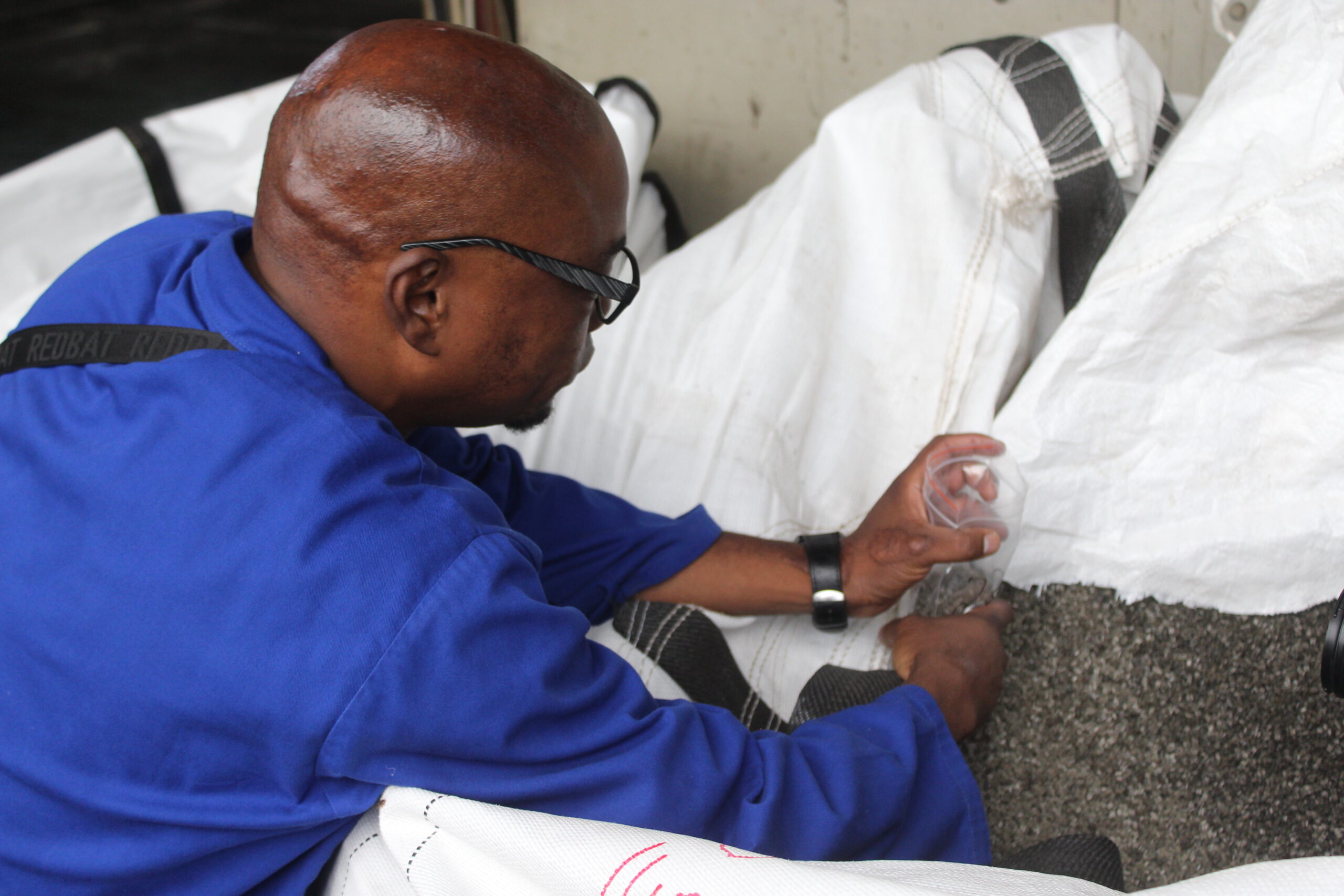
Factory Manager Kern Pieters emphasises that quality is checked continuously, not periodically. From tensile strength and thickness to specialised carbon black testing, every aspect is carefully measured to ensure durability under real-world conditions. As he puts it, quality is not something they check at the end, but something they build into every step of the process.
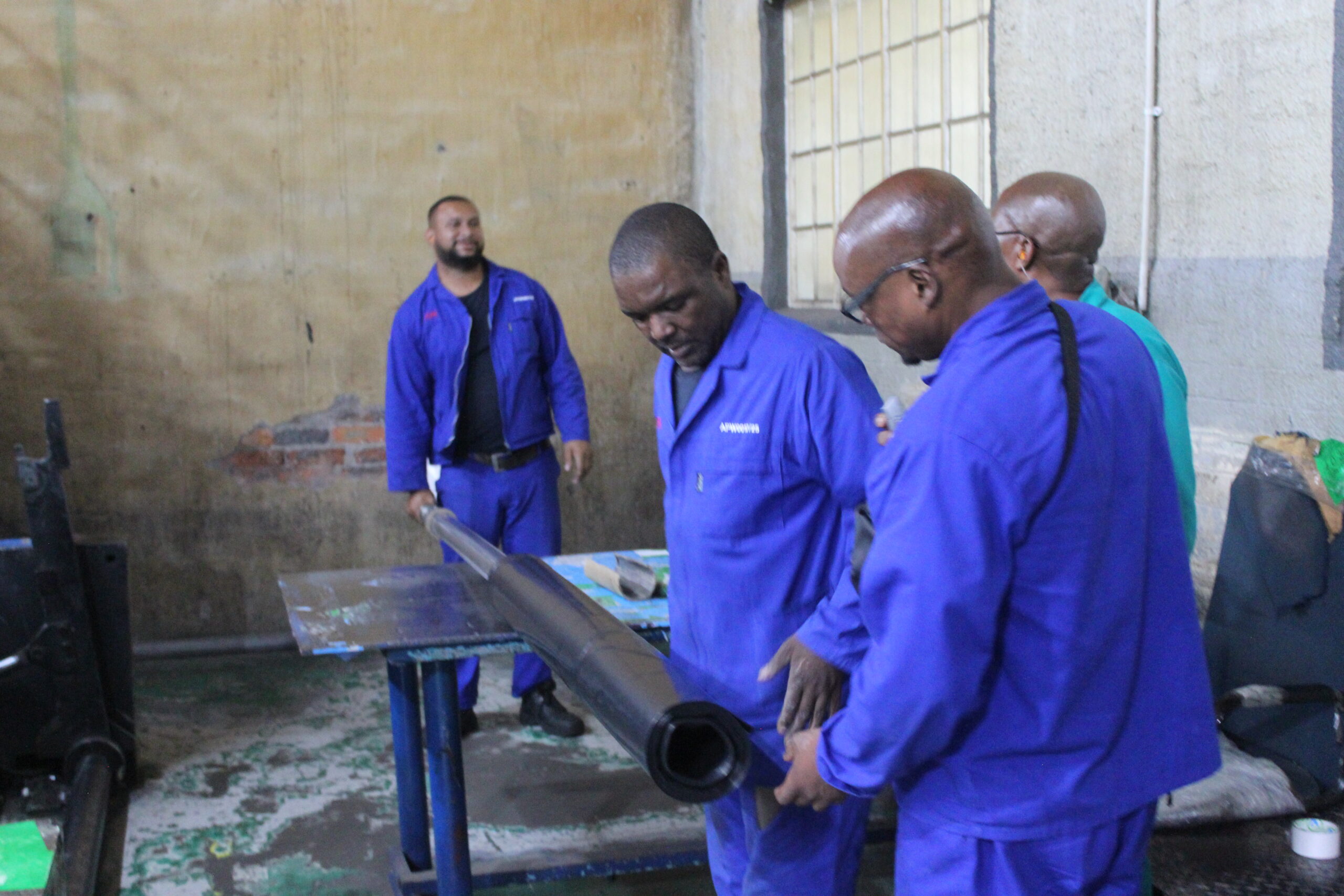
Production runs across multiple shifts, with teams working around the clock to maintain output without compromising standards. Operators perform checks directly on the machines, while dedicated quality teams oversee broader compliance. The result is a system where consistency is controlled, not assumed.
 |
 |
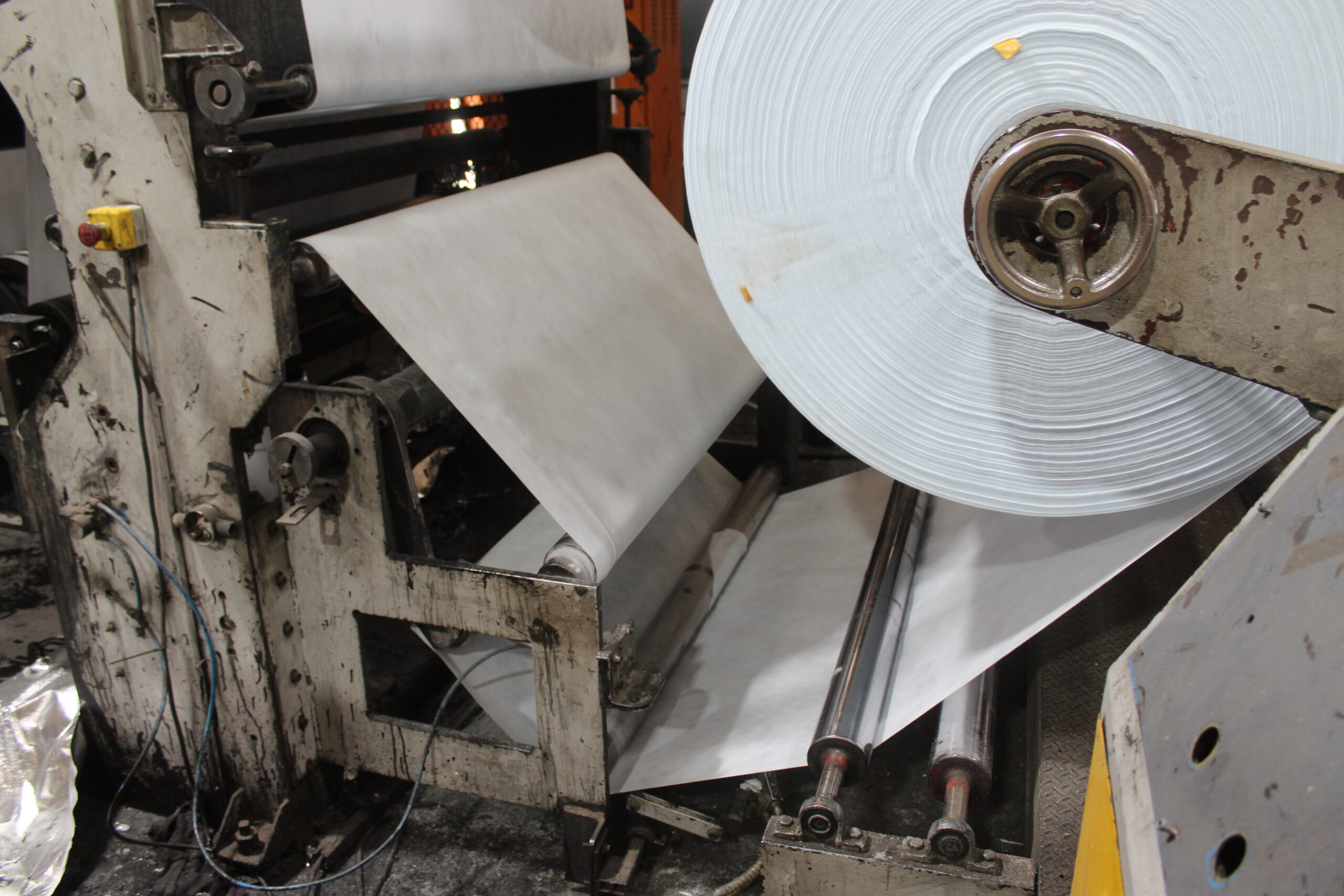
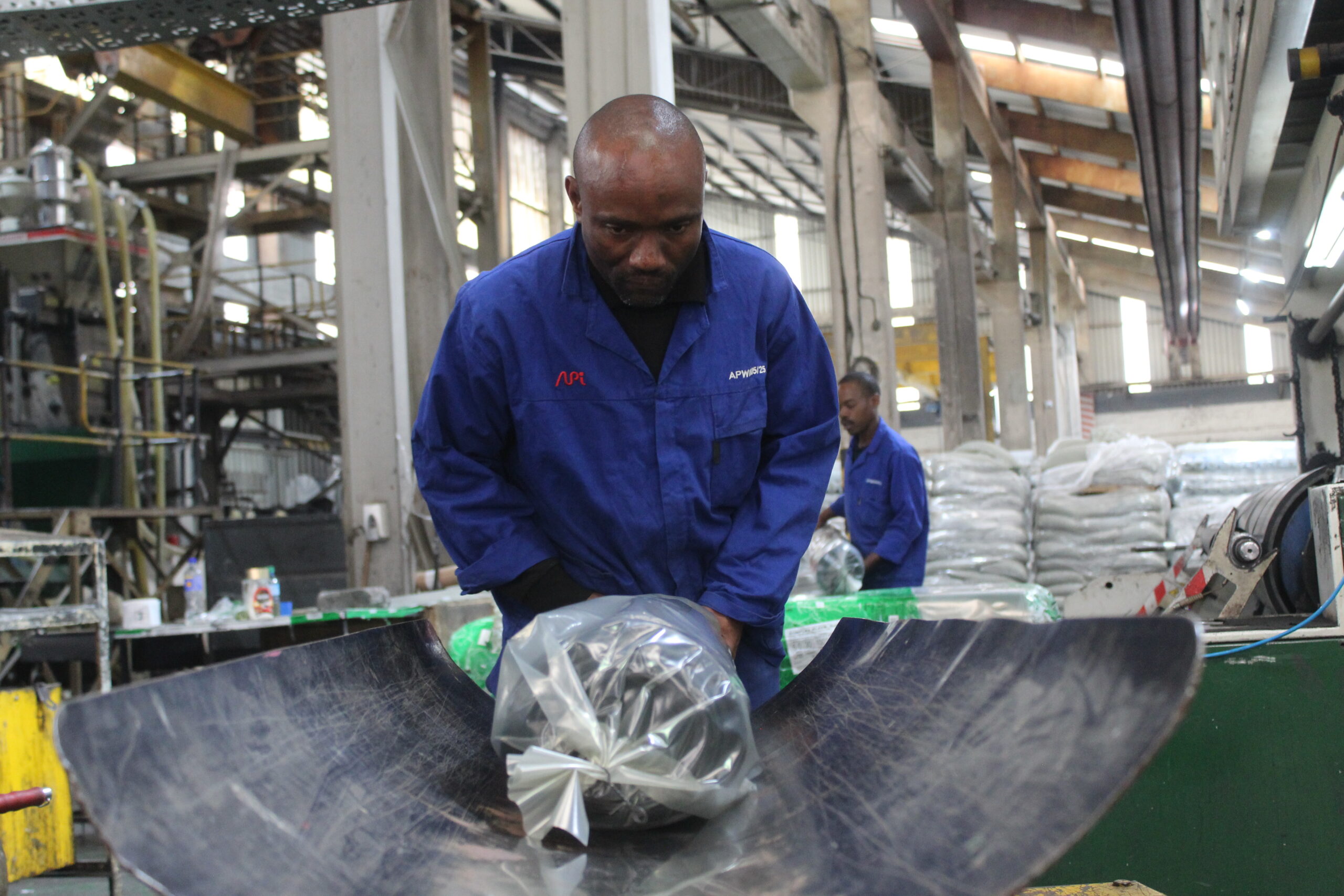
Behind this consistency lies a highly disciplined manufacturing operation. Using blown film extrusion technology, Gundle API transforms low-density polyethene, much of it recycled, into high-performance plastic films used across agriculture, construction and insulation.
Reliability and making things work better
With seven production lines and output reaching up to 45 tonnes per day, the scale is significant. But it is the attention to detail that defines the operation. Small adjustments in speed, temperature or airflow can influence the final product, and managing these variables requires both technical expertise and experience. Pieters describes it as a constant process of checking, refining and making sure that the product coming off the line is exactly what it needs to be.
 |
 |
For customers, particularly in agriculture, that level of control translates into reliability – something that cannot be compromised.
Internal Sales representative Tracy Collins sees this first-hand. Many of Gundle API’s clients have been collaborating with the company for years, returning not out of habit, but because the products consistently perform. She notes that clients return because they know the product works and that it’s reliable.
From dam liners designed to withstand wildlife pressure to mulch films that aid with moisture retention and crop performance, the focus is always on practical solutions. The business collaborates closely with farmers and contractors to understand their specific challenges and ensure the right product is delivered for the application.
This practical approach extends into how Gundle API views innovation. Rather than chasing complexity, the focus is on refinement, taking what already works and making it work better.
 |
 |
General Manager Tyrone Fry highlights that plastic’s versatility is a key advantage.. Often underestimated, it can be adapted in numerous ways to meet specific needs, whether that means reducing input costs or tailoring a product for a unique application. As Fry explains, plastic is far more versatile than people think. If you understand the need, you can shape the solution.
In a sector where margins are tight and conditions unpredictable, that flexibility gives farmers and contractors a tangible advantage.
Building trust
Supporting all of this is a business model built for longevity. With over 80 years in the industry, Gundle API has developed a reputation not only for quality but also for consistency and resilience. Financial Manager Jarryd Ernstzen attributes this to disciplined planning, strong financial management and a clear focus on long-term relationships. In his view, if a customer buys once, you’ve sold a product, but if they come back, you’ve built trust.

That trust has become one of the company’s most valuable assets. It is built over time through reliable products, dependable service and the ability to deliver when it matters most.
What ultimately sets Gundle API apart is that it doesn’t rely on a single strength. It is the combination of people, process and product that creates its edge. Employees take pride in their work, systems are designed to uphold quality, and customers receive solutions that perform in real conditions.

For Leipoldt, that connection to the work is personal. She describes Gundle API as a place where, when you love what you do, it doesn’t feel like work – and that sense of purpose carries through the entire business.
No compromise on confidence
For farmers, contractors and industry professionals, this translates into something simple but powerful: confidence. Confidence that the product will hold up, that the service will deliver, and that the business behind it understands what is needed.
In a competitive and demanding agricultural landscape, that kind of reliability is not just valuable, it’s essential.


