


Farmers who grow maize in the Eastern Free State are used to changing conditions. Weather patterns have become increasingly unpredictable in recent years. Rainfall is often unevenly spread out, and temperature swings put even more stress on crops. It’s not uncommon for farms next to each other to have very different conditions during the same season in places like Heilbron. Given these conditions, choosing a cultivar has become one of the most important things a farmer can do.
A hybrid built for balance and timing
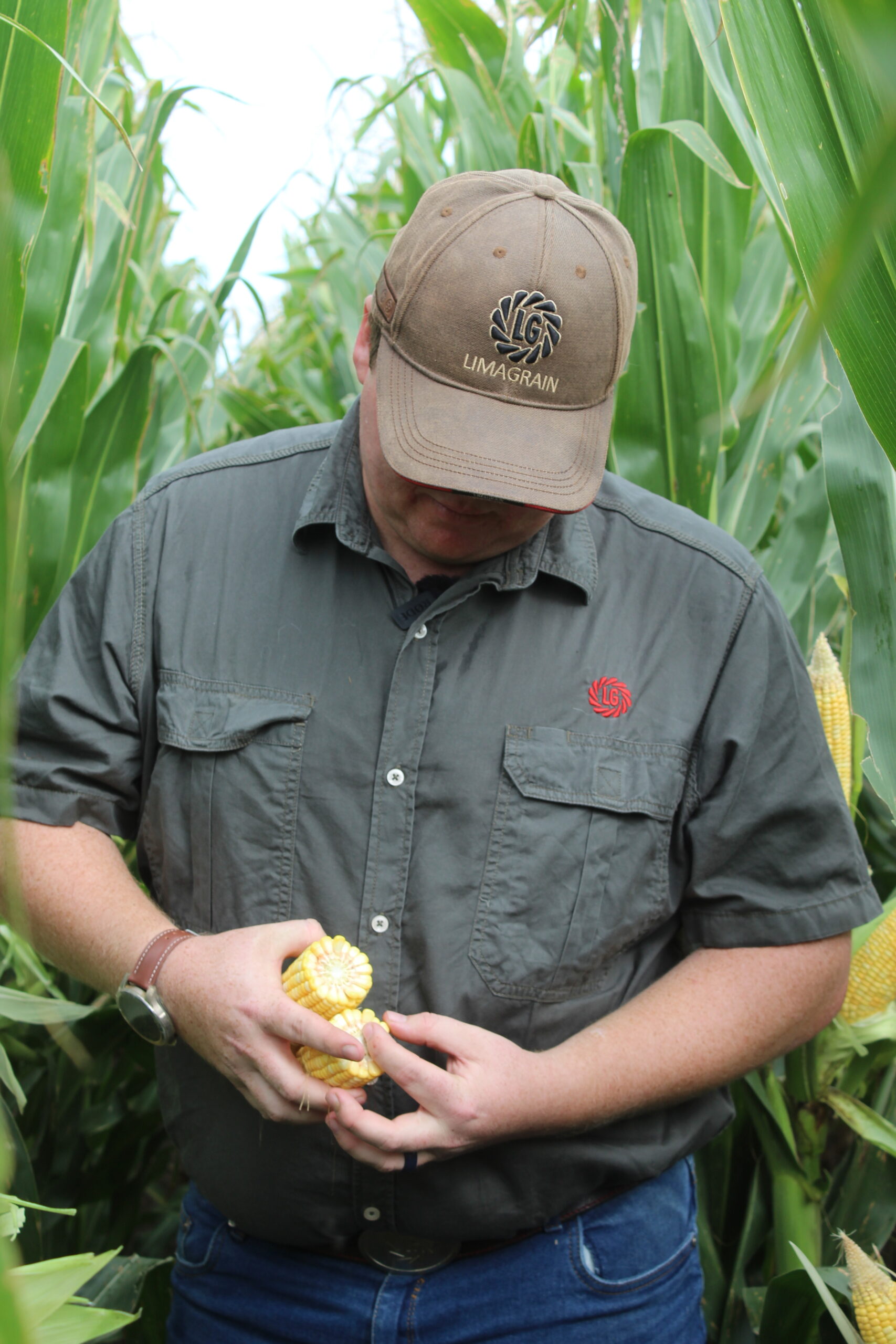
During a recent visit to trial fields near Heilbron, Limagrain agronomist Brett Muirhead shared insights about the performance of one of the company’s newer yellow maize hybrids, LG 31.668BR. Positioned as a medium maturity hybrid with a comparative relative maturity of roughly 120 days, it fits well within the production window of the Eastern Free State, where heat units are often limiting, and timing is critical.
Muirhead claims that the hybrid was developed with balance in mind, so it has the strength to grow well early in the season and the ability to keep filling grains under stress. He said, “You need a plant that can get going quickly in this area, but also one that doesn’t stop too soon when things go wrong.”
 |
 |
A time that tested strength
The 2025 season showed once again how unpredictable the weather can be. Good rain around Heilbron helped plants grow well and gave them a good chance of producing a lot of food. But farmers in Frankfort had to deal with too much moisture early on, followed by dry spells during important growth stages, only a short distance away. These different conditions often show hybrids’ weaknesses, especially during pollination and grain fill, when stress can significantly lower yield.
Performance in both very wet and very dry conditions
The LG 31.668BR proved to be exceptional because it could handle both ends of the spectrum. In wetter conditions, the hybrid remained stable due to a shorter type of plant that’s unlikely to fall over. Its root system remained effective even in saturated soils, while foliage stayed clean, suggesting solid tolerance to common leaf diseases.
Under drier conditions, the hybrid showed a different kind of strength. Rather than reacting rapidly to stress, plants remained physiologically active for longer, allowing grain fill to continue where other hybrids might have already declined. The hybrids improved ability to tolerate moisture stress plays a key role in protecting yield potential.

The ‘engine above and below’ concept
Muirhead refers to this as the hybrid’s “engine above and below”. The plant grows a strong, efficient leaf canopy above ground that can support photosynthesis throughout the season. A well-structured root system below ground ensures that plants can get water and nutrients, even when conditions are tough. These traits combine to help the plant keep working even when things aren’t perfect.
Flexibility across planting populations
LG 31.668BR is likewise favourable because it can grow in a variety of planting populations. In the Heilbron area, trials were done with 40 000 and 50 000 plants per hectare, which clearly showed how the hybrid can adapt to different management strategies.
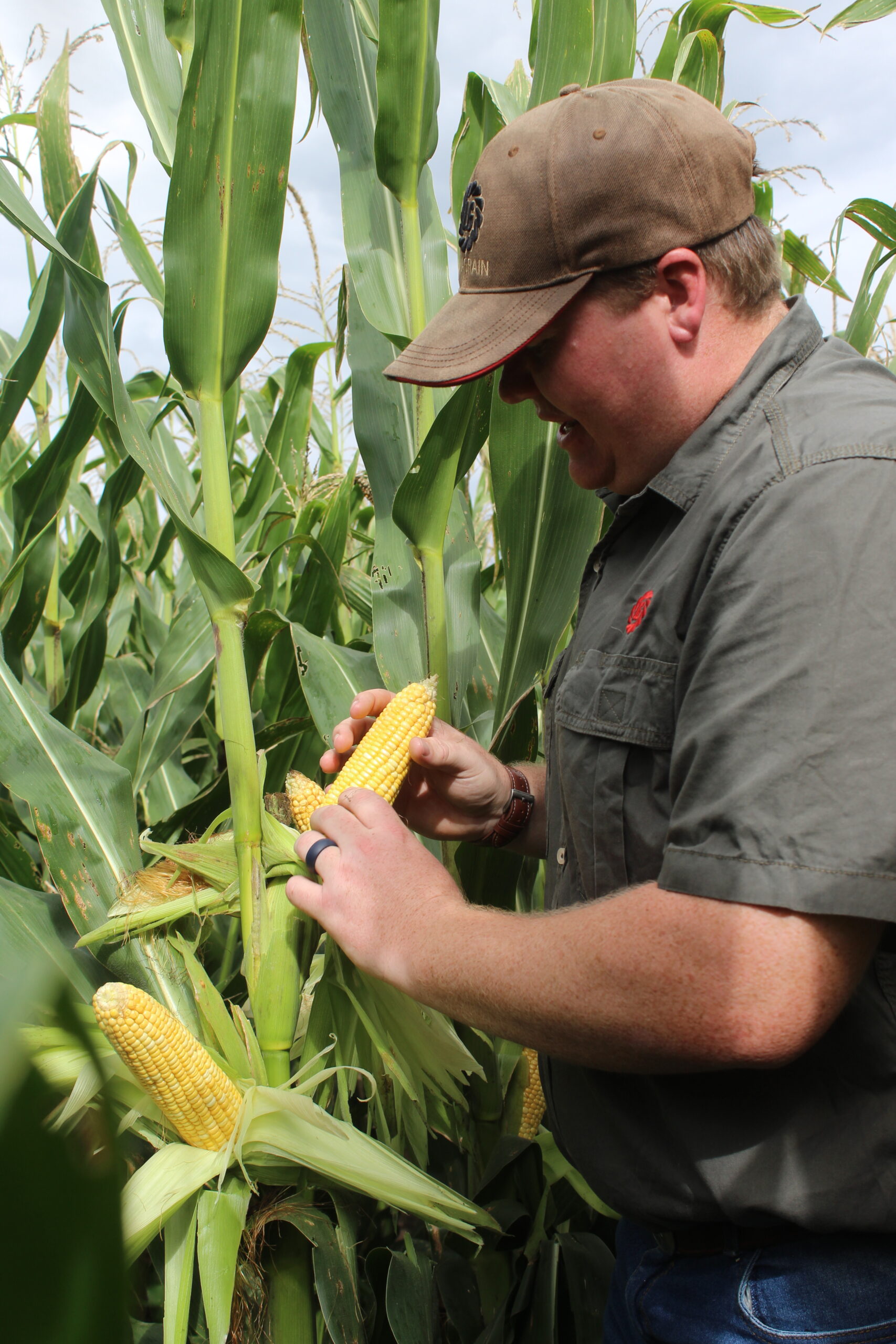
When there were fewer plants, about 40 000 per hectare, the hybrid was very productive, with many plants making two well-filled cobs when the conditions were right. This is especially helpful during times when there is enough moisture and nutrients to grow more grain.
At higher populations of 50 000 plants per hectare, increased competition shifted the plant’s focus. Most plants produced a single, larger cob, although a second cob was still initiated where conditions allowed. In drier scenarios, the plant naturally aborts the secondary cob and channels its energy into the primary ear, an important mechanism for safeguarding yield under stress.
Strong cob and grain characteristics
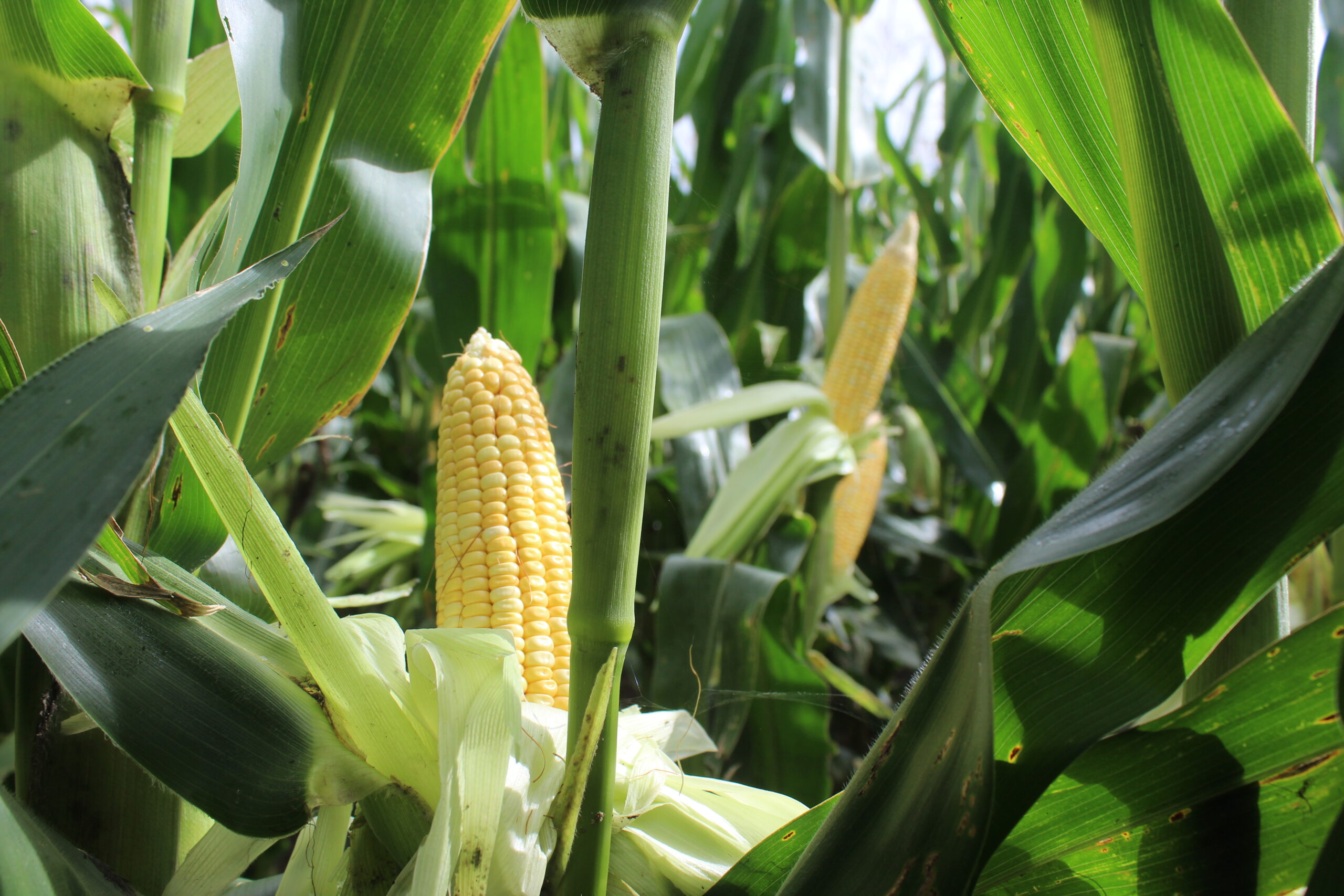
Cob and grain characteristics further support its performance. The trial blocks showed that cob formation was consistent, with 16 to 18 kernel rows and about 38 to 40 kernels per row. The kernels were deep and full, and the cob core was relatively thin. This combination makes the grain heavier and better overall.

Technology that supports production
From a technology standpoint, LG 31.668BR includes a stacked trait package that combines Bacillus thuringiensis (Bt) and Roundup Ready technology. The Bt trait protects against important pests that are problematic for maize production in South Africa, such as the stalk borer and the fall armyworm. The Roundup Ready component makes it possible to use glyphosate-based herbicides to kill weeds after they have sprouted but, as Muirhead points out, integrated weed management remains important as resistance pressure grows.
Yield potential across systems
In terms of yield potential, LG 31.668BR is competitive across production systems. If farmers manage the land well and the weather is favourable, they can get yields of 10 to 12 tonnes per hectare on dryland.

Consistency as a key advantage
In the end, the LG 31.668BR stands out because it remains consistent. On a farm, where things can change quickly and without warning, a hybrid that can adapt, compensate, and keep working is a useful way to manage risk. For farmers in the Eastern Free State, especially in areas with high variability like Heilbron, LG 31.668BR provides a reliable option backed by genetics designed for resilience. As breeding focuses not only on yield but also on stability across different environments, hybrids like this one are becoming more important in modern maize production.
Farmers interested in planting LG 31.668BR can contact Limagrain at lgsainfo@limagrain.com or reach out to a local representative through the LG Seeds website for personalised agronomic advice and availability in their area. Alternatively, visit www.lgseeds.co.za


