


In South Africa, where alcohol and drug use continues to affect workplaces across industries, companies are under increasing pressure to ensure safety, fairness and compliance. For over four decades, AlcoSafe has positioned itself not simply as a supplier of testing equipment but as a comprehensive partner in tackling substance abuse in the workplace.
At the core of AlcoSafe’s approach is a clear understanding: accurate testing is not just a technical requirement; it is a legal and ethical one.
 Rhys Evans – Director of Alco Safe |
 Simbongile Baqwa – Technical Lab Manager |
Accuracy that protects everyone
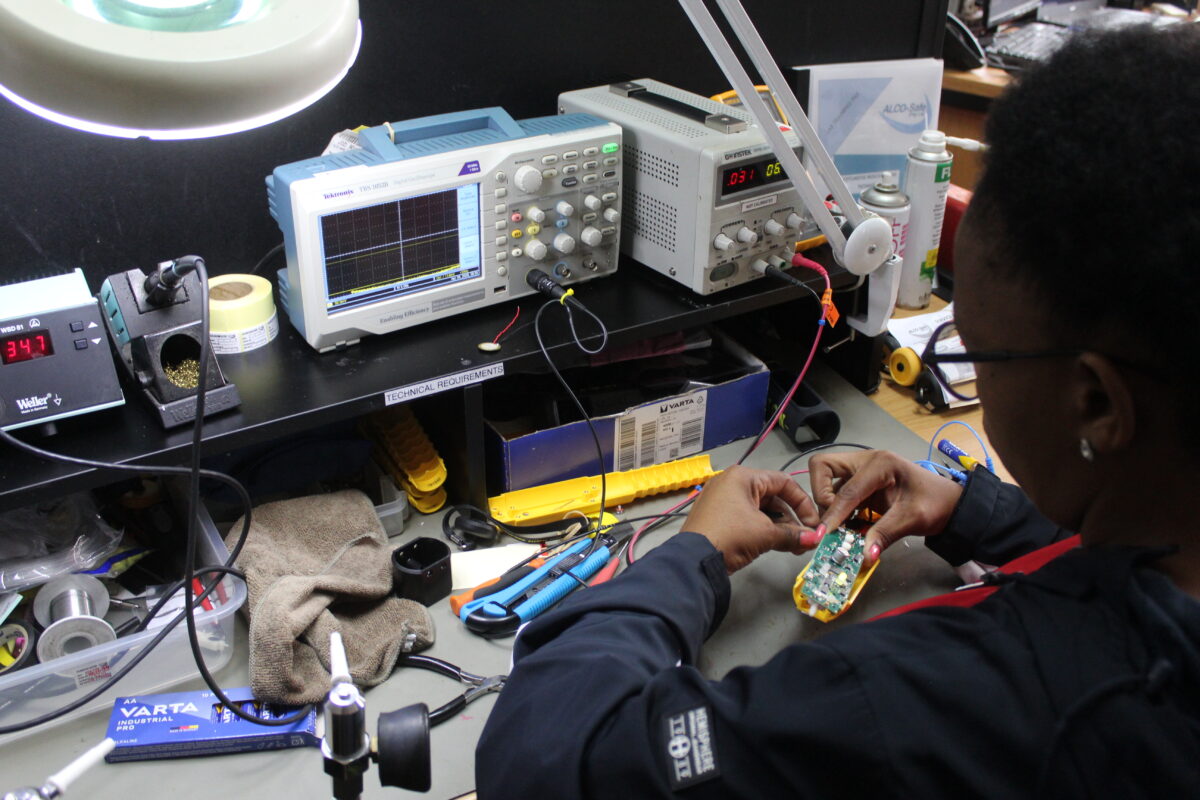
According to Technical Manager Simbongile Baqwa, the credibility of any testing programme starts with calibration and certification. “Once an instrument is calibrated, it is certified. This ensures that results are reliable, accurate and legally defensible,” he explains.
This is critical because equipment not only produces incorrect readings but can also have serious consequences. Employees could be unfairly penalised, or worse, individuals under the influence could go undetected, creating significant safety risks.
Regular servicing plays a key role. Screening devices are typically calibrated every 12 months, while analytical instruments, which provide precise alcohol readings, must be calibrated every six months. These timelines, based on manufacturer guidelines, ensure that every result stands up to scrutiny.
More than equipment: A full-system approach
Managing Director Rhys Evans emphasises that effective workplace testing goes far beyond simply purchasing a breathalyser.
“The main purpose of AlcoSafe is to help companies control substance abuse,” he says. “But we don’t just supply the test, we provide a full solution.”
That solution begins with policy development. Without a clear, legally compliant substance abuse policy, even the best equipment becomes ineffective. From there, AlcoSafe guides clients through selecting the right equipment, training staff and implementing testing procedures correctly.
This holistic model ensures that testing is not only accurate but fair – something Evans believes is often overlooked. “You are dealing with people’s lives and livelihoods. It must be done properly.”
Inside the lab: where precision matters
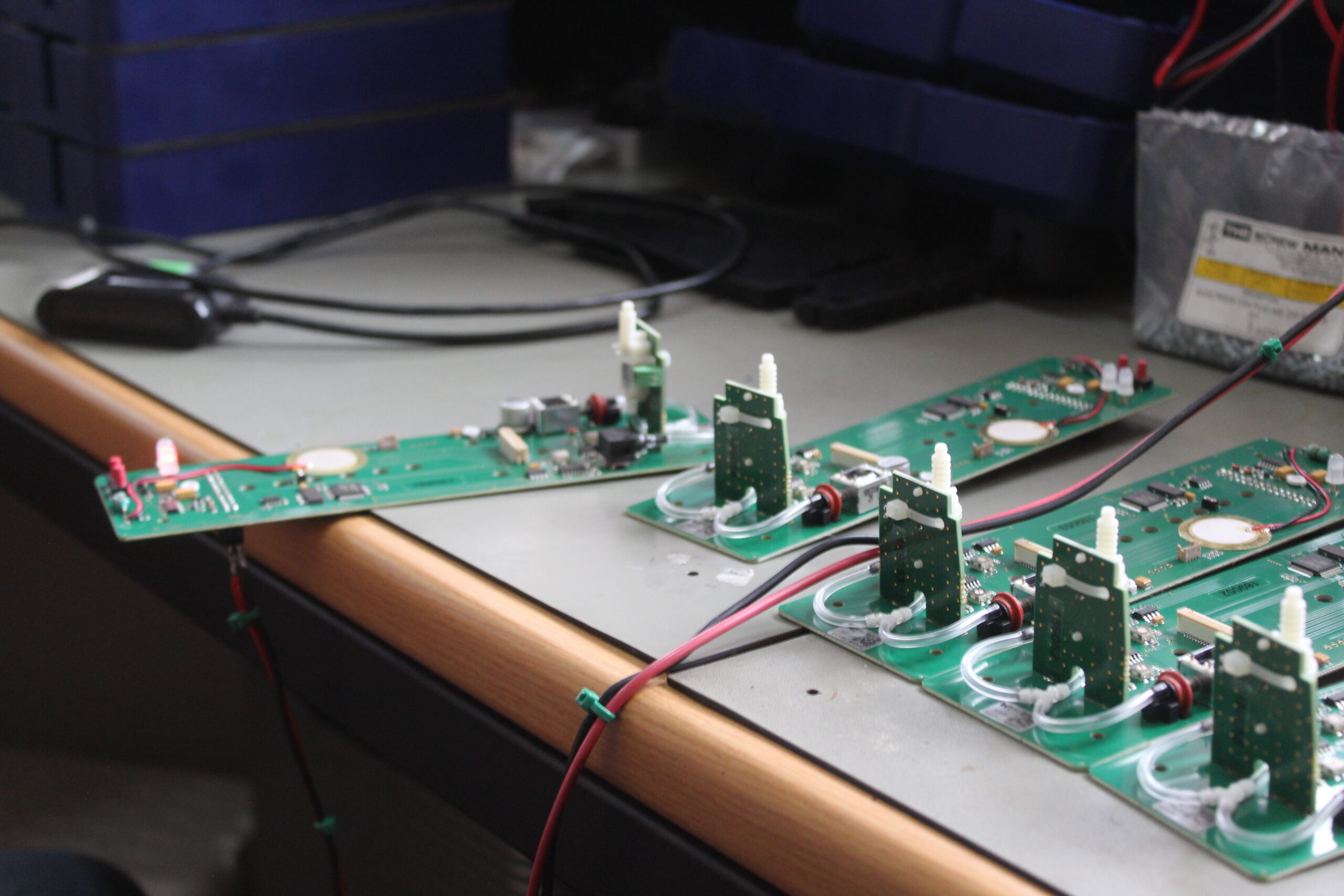
Behind the scenes, AlcoSafe’s laboratory operations are what set the company apart. It is the only commercial laboratory in South Africa accredited by the South African National Accreditation System (SANAS) for breathalyser calibration.
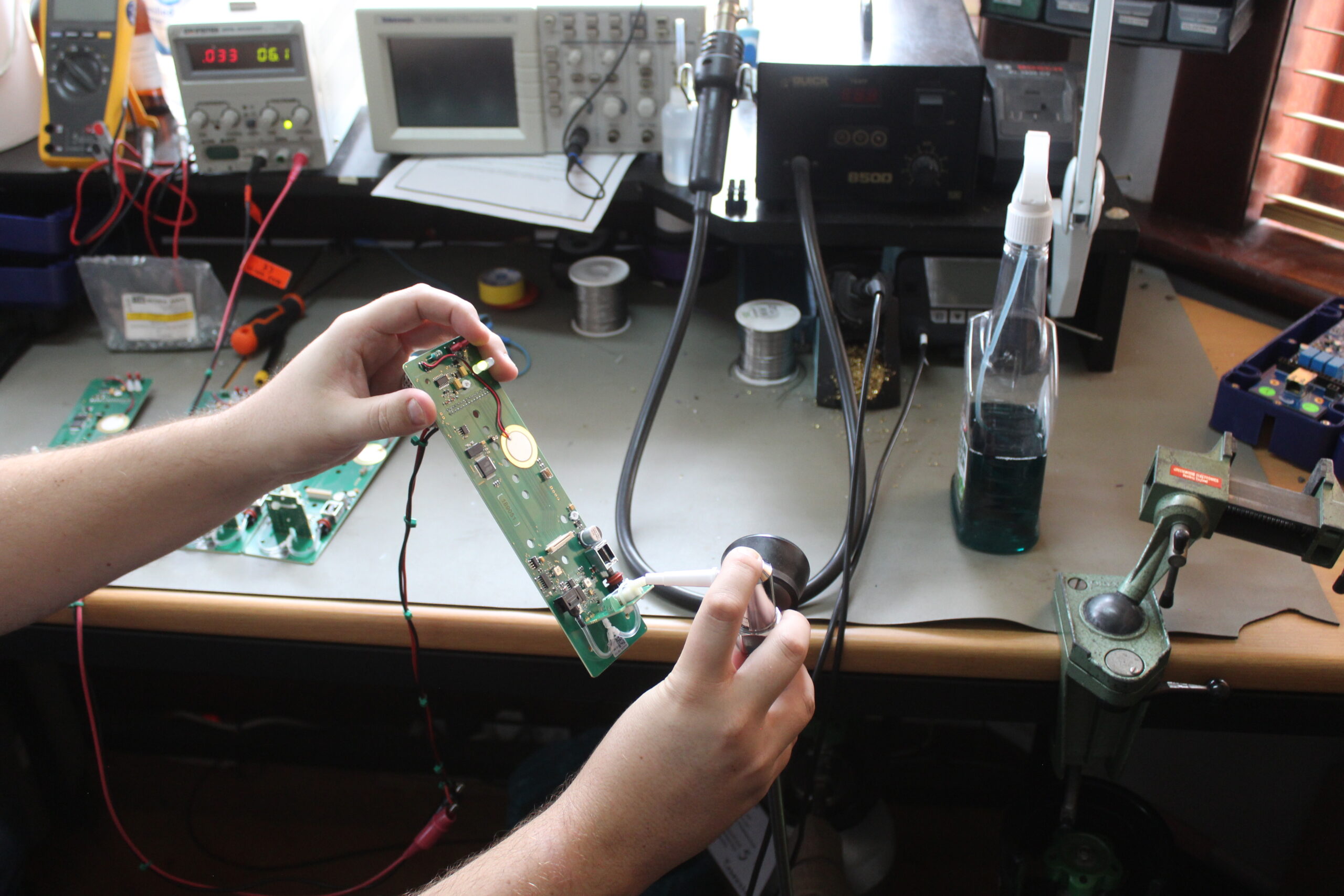
This accreditation requires strict adherence to international standards, including traceability of calibration gases to the National Metrology Institute of South Africa (NMISA). Every calibration involves comparing a device’s reading against a known standard to ensure it falls within accepted tolerances.
To maintain accuracy, the lab undergoes continuous internal and external audits and participates in proficiency testing schemes where unknown samples are analysed and benchmarked against verified results. If results do not align, corrective action is mandatory.
“It’s about ensuring the validity of results at all times,” Baqwa explains.
 |
 |
Training for real-world conditions
Even the most advanced equipment can fail if used incorrectly. That is why AlcoSafe places strong emphasis on training.
Technicians receive theoretical instruction at institutions such as the National Laboratory Association of South Africa, followed by hands-on experience in the lab. For clients, operator training ensures that testing is conducted consistently and correctly in real-world environments.
This dual focus of technical expertise and practical application helps minimise errors and builds confidence in the testing process.

Common pitfalls and how to avoid them
One of the biggest mistakes companies make is prioritising cost over quality. Cheap, uncertified equipment may seem attractive upfront, but it often fails under legal scrutiny, leading to costly disputes.
Another common issue is poor handling of devices. Breathalysers are robust, but dropping them or exposing them to dust and contaminants can damage sensitive components like the fuel cell, which is the “engine” of the device. Improper battery use and cleaning with alcohol-based products can also compromise accuracy.
A broader impact
While the immediate goal is workplace safety, the ripple effects can be far-reaching. Evans recalls a client where positive alcohol tests dropped dramatically within six months of implementing proper testing. More notably, employees’ personal lives improved, with reduced alcohol abuse at home.
“It doesn’t just benefit the company,” he says. “It benefits families and communities as well.”

Setting a higher standard
What differentiates AlcoSafe is its refusal to cut corners. From insisting on internationally accredited equipment to offering ongoing support, even in legal disputes, the company is focused on long-term outcomes rather than quick sales.
In a landscape where safety, compliance and fairness are non-negotiable, AlcoSafe’s model offers something increasingly valuable: trust.
For businesses looking to implement or improve their testing systems, the message is clear: getting it right from the start makes all the difference.
To find out more about AlcoSafe’s products and services, or to get guidance on implementing a compliant and effective alcohol and drug testing programme, companies can reach out directly to the team.
Enquiries can be made via email at info@alcosafe.co.za or through their website and social media platforms, where their team is available to aid businesses of all sizes in building safer, more accountable workplaces.


