

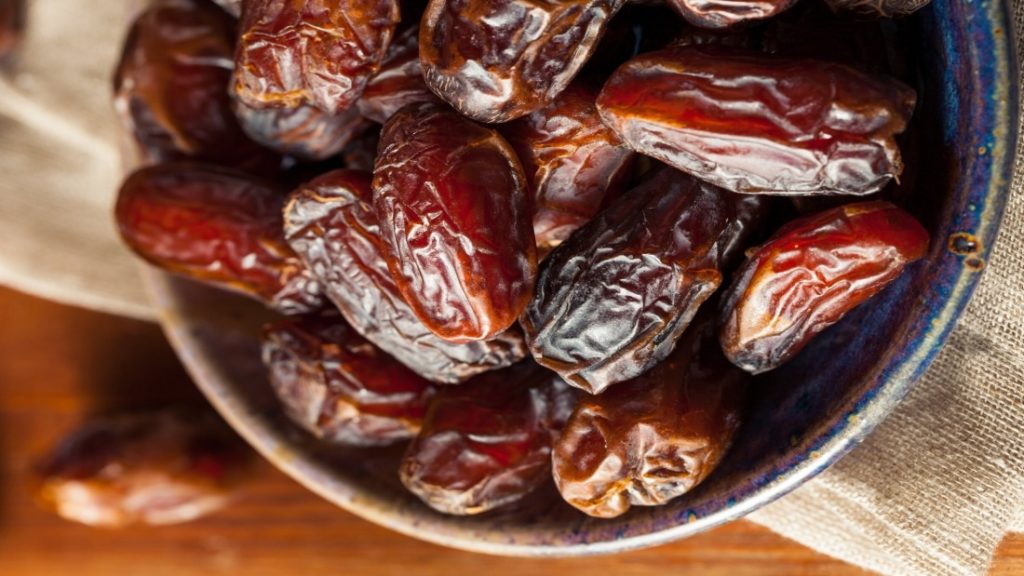
From medicinal roots buried beneath the Kalahari sands to indigenous fruits and date palms flourishing in arid environments, Namibia’s lesser-known crops reveal how agriculture can find opportunities in even the harshest landscapes.
Namibia is a country of striking contrasts. Vast deserts, sandy plains and dry savannas dominate much of its landscape, while low and unpredictable rainfall makes conventional crop production challenging.
Yet, despite these harsh conditions, a variety of plants have adapted remarkably well to the country’s environment. Some have supported local communities for generations, while others are creating opportunities for agricultural diversification and specialised markets.
Devil’s claw, marula, Kalahari melon and date palms each tell a different story. Together, they show that agricultural value is not always measured by harvest size, but also by a plant’s ability to survive and thrive in challenging conditions, its practical uses and the economic opportunities it can create.
Devil’s claw: Medicinal value beneath the sand
Beneath Namibia’s sandy soils grows one of the country’s most unusual and valuable indigenous plants.
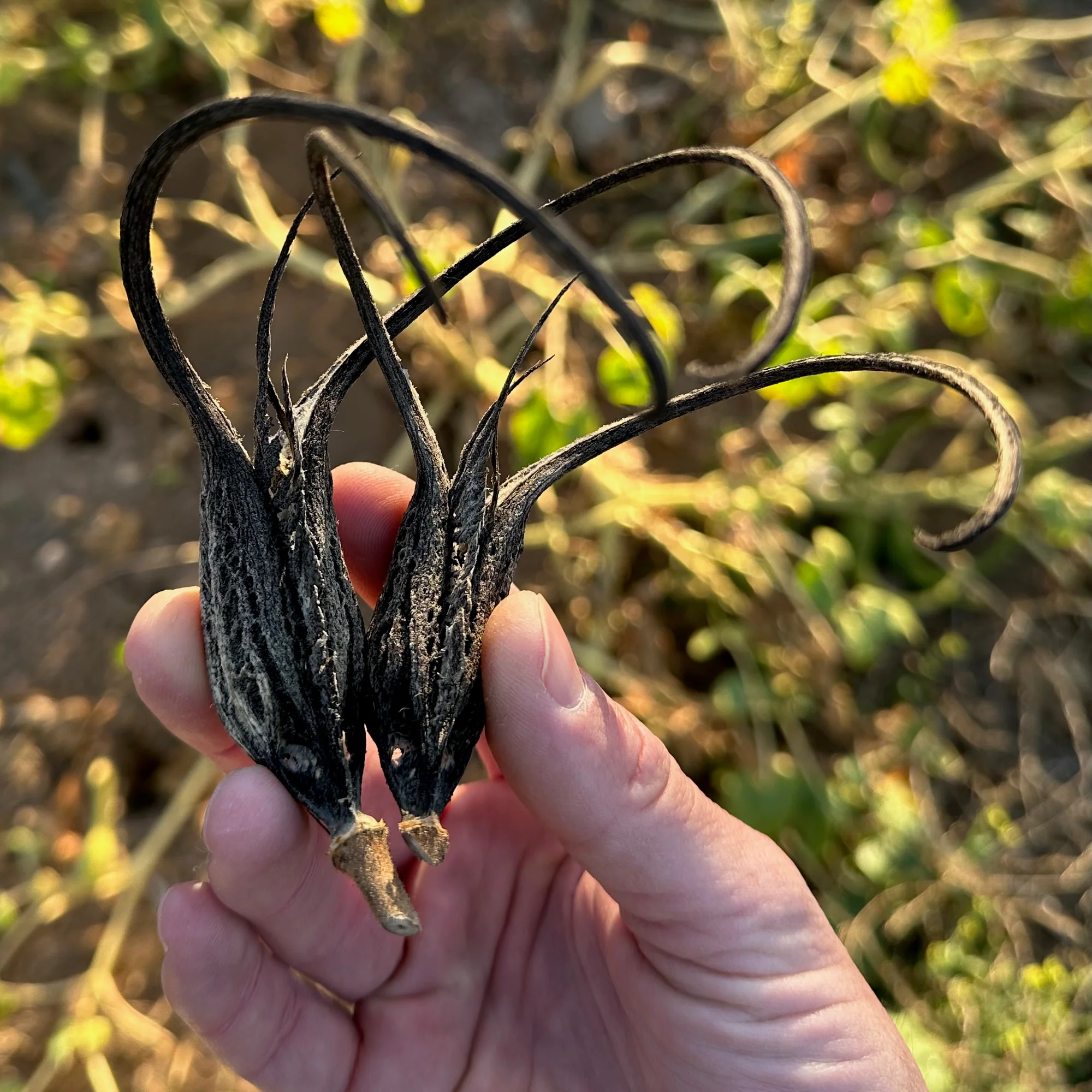
Devil’s claw (Harpagophytum procumbens and Harpagophytum zeyheri) is a low-growing perennial known for its attractive pink-purple flowers and distinctive hooked fruit. The fruit’s curved hooks (claws) give the plant its name, but its commercial value lies beneath the ground.
The plant develops secondary storage tubers containing compounds such as harpagoside, which are used in herbal medicinal preparations. Traditionally, devil’s claw has been used to treat digestive complaints and relieve pain. Today, products made from the plant are marketed internationally, particularly in Europe.
According to the Food and Agriculture Organization (FAO), Namibia supplies approximately 90% of the global devil’s claw market, making it a major international supplier of this specialised medicinal resource.
Unlike conventional crops, devil’s claw is primarily wild-harvested. Thousands of rural Namibians depend on collecting, slicing and drying its tubers as a source of income.
However, harvesting must be done carefully to protect the plant. Removing the central taproot can kill it, so sustainable harvesting practices focus on collecting only some of the secondary tubers and replacing the soil after digging. This allows the plant to recover and continue growing.
Devil’s claw demonstrates how an indigenous plant can link traditional knowledge, rural livelihoods and international trade without the need for large-scale cultivation.
Marula: More than a traditional drink
For many people, marula is associated with its sweet fruit and traditional beverages. Yet this indigenous African tree offers much more than a refreshing drink.
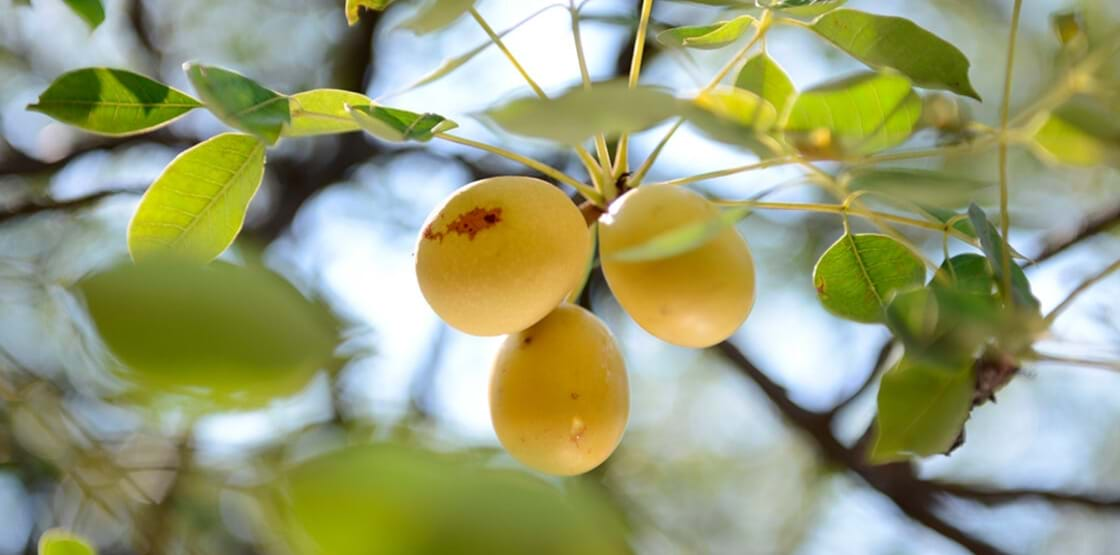
The marula tree (Sclerocarya birrea) grows naturally across parts of southern Africa, including northern Namibia, where it plays an important in rural communities.
Its small, yellow fruits are rich in flavour and can be eaten fresh or processed into juices, jams, fermented beverages and other food products.
However, one of the tree’s most valuable products is hidden inside the fruit’s hard stone.
Marula kernels contain an oil prized for its moisturising properties and used in skincare products, cosmetics and speciality food applications. Demand for the oil has attracted growing interest from international markets seeking naturally derived ingredients.
In northern Namibia, women have traditionally played a central role in collecting marula fruits, extracting the kernels and processing the oil. Community-based enterprises have helped turn these activities into income-generating opportunities.
The tree is also well suited to dryland agroforestry systems. Once established, it can survive seasonal droughts, while its canopy provides shade and its fruit serves as a food source for both people and wildlife.
Marula demonstrates how value addition can transform a familiar indigenous fruit into a range of marketable products, from beverages and preserves to high-value cosmetic oils.

Kalahari melon: A drought-resistant crop with hidden potential
The Kalahari melon (Citrullus lanatus), also known as the tsamma melon, is closely related to the familiar watermelon. However, its value extends far beyond its use as a refreshing fruit.
Naturally adapted to the dry conditions of southern Africa, this hardy, creeping plant has long been an important food and moisture source for both people and animals in the Kalahari.
In Namibia, different local melon varieties are grown for their flesh, seeds and culinary uses. Some are traditionally cultivated alongside pearl millet, making them a valuable addition to small-scale farming systems.
The seeds are particularly versatile. They can be roasted and eaten or processed to produce oil used in cooking and skincare products. Kalahari melon seed oil is rich in unsaturated fatty acids, particularly linoleic acid, which makes it an attractive ingredient for the cosmetics industry.
Research conducted at the University of Namibia has explored the crop’s productivity and potential for further improvement. Its ability to produce under very low rainfall conditions makes it an interesting candidate for agricultural diversification in drought-prone regions.
However, despite its natural adaptation to dry environments, yields are influenced by factors such as rainfall, seed quality and overall growing conditions.
For Namibia’s small-scale farmers, the Kalahari melon offers a valuable benefits: a versatile crop that can complement traditional food production while creating opportunities in specialised markets.
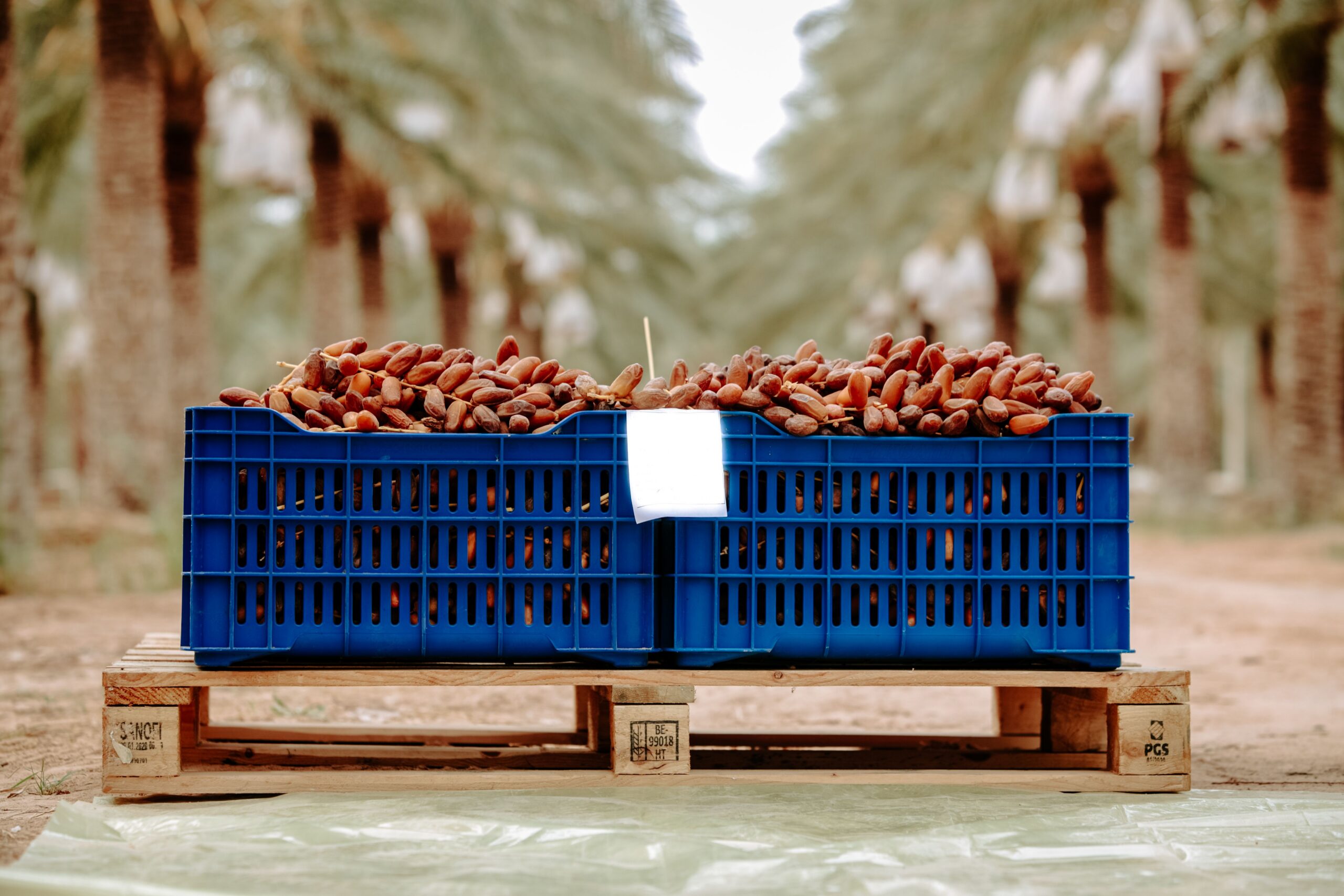
Dates: Turning desert landscapes into productive orchards
While devil’s claw, marula and Kalahari melon are indigenous resources, date palms represent a different approach to agriculture in Namibia’s dry climate.
The date palm (Phoenix dactylifera) is well-adapted to hot, arid environments, making it a promising crop in areas where irrigation water is available.
One of Namibia’s best-known examples is the Naute Irrigation Project near Keetmanshoop in the south of the country.
Established in the early 1990s, the project uses water from the Naute Dam to support agricultural production, including date palms and table grapes. The first date palms were planted in 1991.
Date palms are well suited to high temperatures, but commercial farming still depends on a reliable water supply to produce commercially viable yields. Successful production also requires careful management of irrigation, pollination, fertilisation and harvest.
The fruit is valued for its natural sweetness, good storage potential and versatility. Dates can be marketed fresh, dried or processed into products such as syrups and pastes.
Medjool is among the date varieties grown at Naute, demonstrating how specialised fruit farming can contribute to Namibia’s irrigated agricultural sector.
However, water availability remains a critical consideration. While date palms can tolerate desert heat, commercial farming must balance potential returns with the responsible use of scarce water resources.
The Naute project demonstrates that Namibia’s arid landscapes can support high-value horticulture farming, provided that irrigation infrastructure and water management are carefully planned.

Namibia’s agriculture is more diverse than it appears
These four crops demonstrate the remarkable diversity of Namibia’s agricultural resources and the opportunities they offer.
Devil’s claw links traditional medicinal knowledge with international herbal markets. Marula transforms an indigenous fruit into valuable food and cosmetic products, while Kalahari melon provides a resilient source of food, seed oil and potential income. Date palms, in turn, demonstrate the potential of irrigated horticulture in dry environments.
Each crop faces different challenges, from sustainable wild harvesting and market access to seed improvement and responsible water use.
Yet they share an important characteristic: each creates opportunities by making use of Namibia’s natural conditions, available resources and local knowledge.
As African agriculture continues to respond to climate variability, changing market demands and the need for rural economic development, these lesser-known crops deserve greater attention.
Sometimes, the most promising agricultural opportunities are not found in introducing entirely new crops, but in recognising the potential of plants that have been part of Africa’s landscapes for generations.
Sources
Food and Agriculture Organization (FAO), 2026. From savannah plant to global remedy. Global market, community livelihoods and sustainability programmes.
FAO, 2025. Roots of Change: How a Namibian Community is Turning Devil’s Claw into a Source of Resilience. Community negotiations and producer income.
FAO – Eudafano Women’s Cooperative — Indigenous plant oils, traditional knowledge and value addition.
Scientific research – Characterization of Kalahari melon seed oils from Namibia — Oil composition and commercial potential.
SANBI – Citrullus lanatus — Botanical characteristics and traditional uses.
Namibia’s Ministry of Environment and Tourism – Naute Game Park — Irrigation development and date palm cultivation.


