Dean Hatty, owner of Farm Q50 in Pandamatenga, Botswana, has had an impressive farming journey from Zimbabwe to Botswana. His journey not only illustrates the challenges of transnational farming but also emphasises the critical role of perseverance and the necessary support.
A new home in Pandamatenga
Dean began his farming career on their family farm in Zimbabwe, where he started gaining experience in 1992. “We had a big irrigation farm with approximately 350 hectares under irrigation. However, in 2004, we lost our farm due to land invasions. I was forced to reconsider where and how I wanted to farm,” he says.
He and his wife, originally from Botswana, decided to relocate to her home country and investigated the Pandamatenga region, which is one of the few productive grain areas in the country. They bought their farm Q50 in 2006.
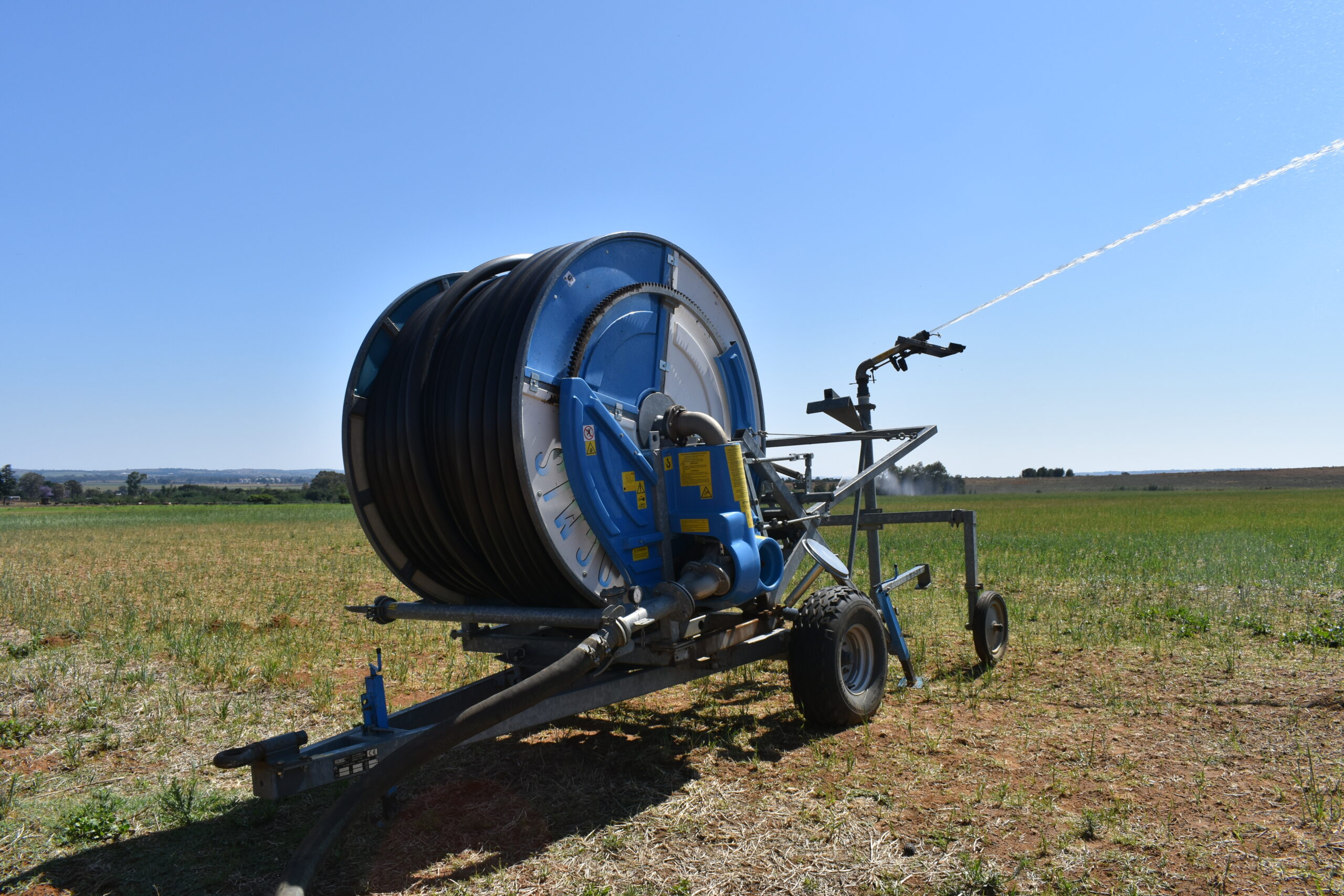
The first step in the development was the implementation of irrigation farming. “We installed our first pivot about five or six years ago, and a second one shortly thereafter. My first contact was with Agrico and they really simplified the process,” he says.
Water management
Dean cultivates maize, sunflowers, grain, chickpeas and lab-lab as fodder crops and now pumpkins too. He emphasises that the diversification is made possible by Agrico’s support.
“It’s challenging to farm here because water is expensive and logistics are difficult. Without Agrico’s support, cultivating these crops successfully wouldn’t have been possible.”
He describes Agrico’s pivots as robust, reliable and specifically suited to the challenging circumstances in Botswana’s dry climate. “The pivots function consistently, even when the temperatures reach highs of 35 to 38 °C in September. I can rely on them to consistently supply my crops, including grain and maize, with water.
Water management is of the utmost importance on Farm Q50. “Grain needs a lot of water. My goal is to apply 450 to 550 mm for four months. If you schedule your irrigation well, you can ensure good yields even in dry seasons. Without the stable functioning of Agrico’s pivots, farming this effectively would have been very difficult,” Dean explains.
He also started applying strategic methods where certain parts of the land rest for a season to improve soil health and water efficiency.
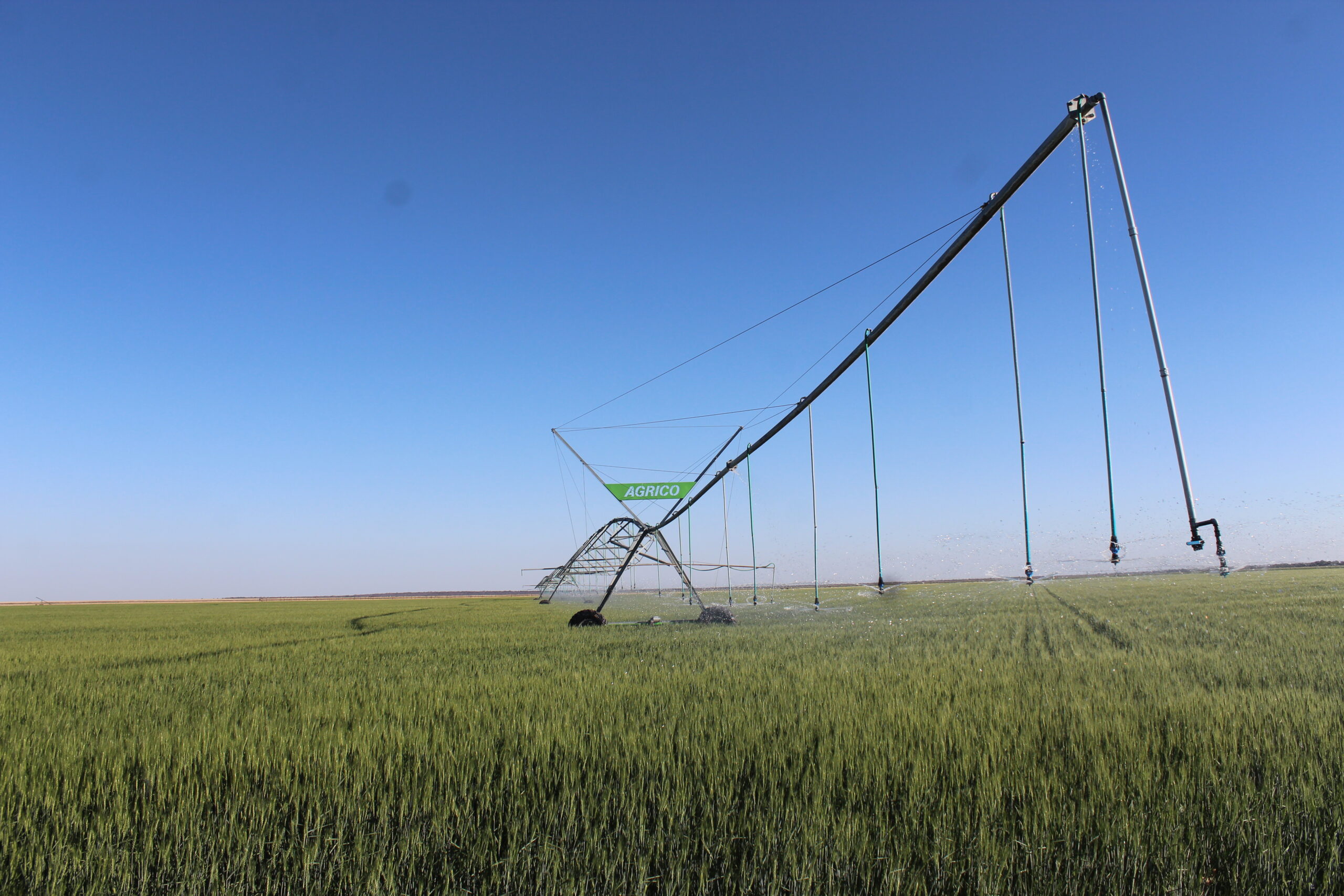
Dean farms on a combination of pivots and dry lands with various crops, such as grain, maize, chickpeas and grain sorghum. The quality of Agrico’s products and support help to make farming on the farm as efficient and profitable as possible.
Private sector support is critical
Dean says the service he receives from Agrico’s Nylstroom branch plays a key role in their success. “Agrico goes to the effort to come out and help with setting up the systems and ensuring everything works. Their reaction time and willingness to lend support, make a substantial difference. We haven’t seen this level of service from other providers.”
Agrico’s personal involvement from consultation to after-care and supply of parts allow Dean and his team to effectively manage a farm situated far from urban facilities. He further emphasises the importance of private sector support.
“Farmers here are far from big cities and suppliers, and logistics are challenging. Agrico understands these realities and is prepared to come out and help us, from setting up irrigation systems to supplying parts and technical support.
I know that even though I cannot do everything myself, the products and service won’t let me down. Agrico has enabled me to overcome challenging and isolated farming conditions.”
Dean says Agrico’s involvement is unique. Other providers in the area are not involved to the same extent, possibly because they think the market is too small or challenging. “With Agrico’s quality products and excellent service, we can make strategic farming decisions, reduce risks, and optimise yields.
Dean Hattie’s story is proof that the correct combination of product, service and farming partnership can make a difference in challenging environments like Botswana. Agrico’s robust products and committed support don’t just enable farmers to survive – but to thrive.
For more information about Agrico, visit their webpage or send an email to info@agrico.co.za
See video below for more information: