When you turn off to Piet Strachan’s farm and your vehicle’s wheels hit dirt, your pace changes. Time doesn’t fly past. This isn’t only a farm; it’s a life story almost four decades in the making.
Uncle Piet is one of the men who helped transform Pandamatenga from a wild, desolate district in Botswana to one of the country’s biggest commercial grain production areas.
Uncle Piet, as he is known locally, tells his story with humility, humour and expresses deep gratitude about how far the community has come.
The beginning of a farming frontier
“This area was basically still bush when we started here in 1985,” says Uncle Piet. “We literally took the debt over at the bank just to get the land. You had to take what was available and try your best.”
The developmental years was difficult. The farmers found themselves on land without any infrastructure – a far cry from the situation today. No proper roads, a few shops – and the community had only one landline they could communicate from.
However, these challenges formed the character of the farmers of Pandamatenga. “We combined forces,” he says. “We helped one another to break the soil, make the first lands and to build a community.”
Uncle Piet proudly talks about present-day Pandamatenga, but without exaggerating his part in this endeavour. This story isn’t the tale of one farmer, but an entire generation of farmers who braved the wilderness to improve Botswana’s food security.
He thinks back to other pioneers who established the lands with him. People such as Uncle Lenny, Aunt Julie and the Cummings brothers. “They were real characters,” he says laughingly. “We worked hard, but we also laughed a lot. It was a time of great camaraderie.”
A family farm and a lifelong love for the land
Uncle Piet has always regarded farming as more than just a way to earn an income. It’s a lifestyle they choose every day. “You won’t last here if you don’t love farming,” he says. “Your family must unite, your wife must adjust, otherwise you won’t make it.”
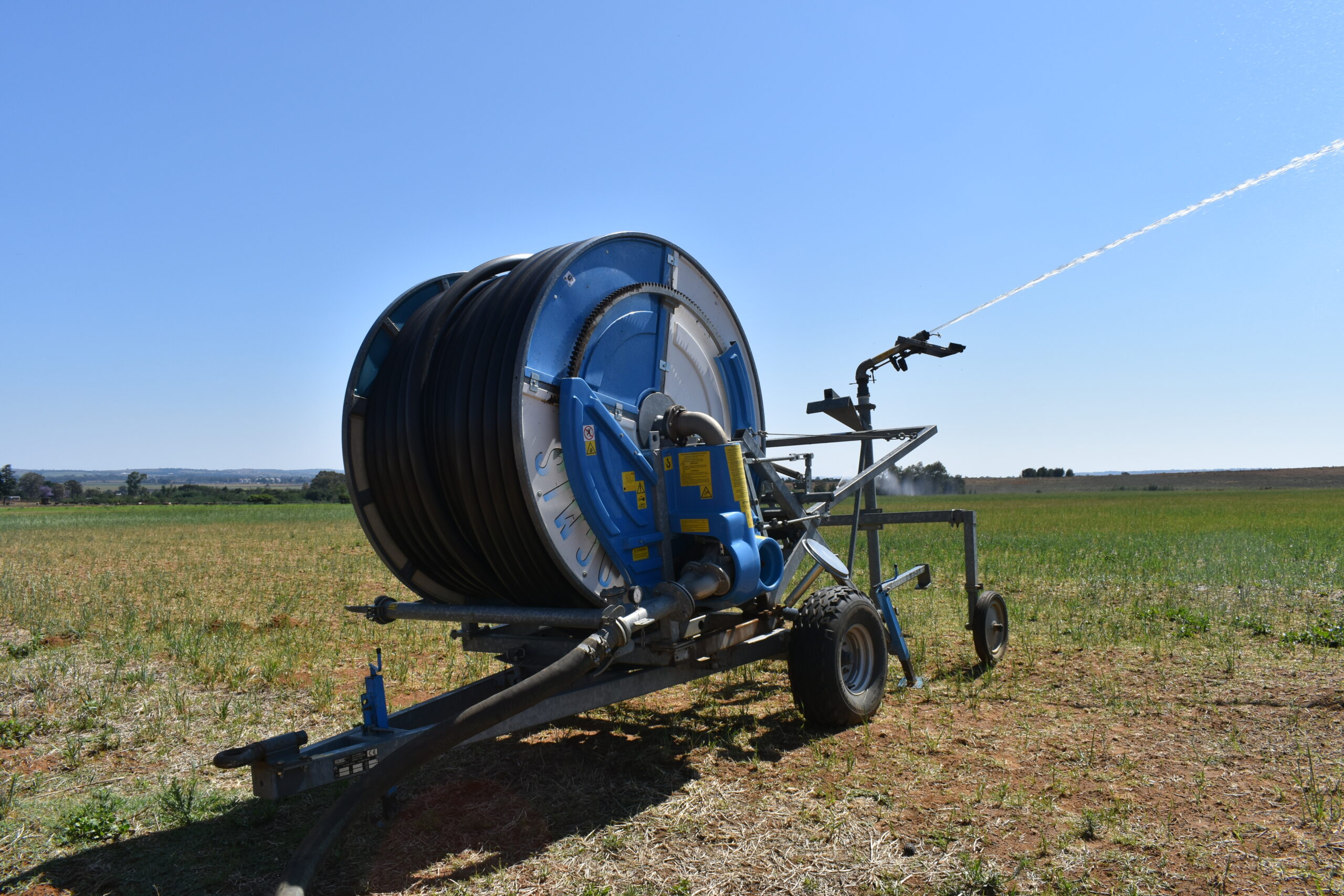
Today his farm encompasses approximately 1 600 ha and 16 pivots turn to water his land and keep crops green.
“The new technology is a great help,” he reckons. As the farm grew, the machinery and techniques also developed. Today, Uncle Piet works with discs and rollers to prepare his land correctly. On certain parts of his farm, he experiments with rippers to break open compact soil. “Especially close to the bushes, the soil is dull,” he says. “It makes a big difference if you do it correctly and not too dry.”
Agrico as a partner on the journey
Part of his success is due to good partnerships like those he has established with Agrico. “I’ve been buying from Agrico for many years, from pipework to pivots and implements,” he says. “I appreciate that they really understand what’s going on in Pandamatenga. They send technicians, give advice and help you when you reach a dead end.”
When production in the area increased, Agrico’s help became especially important. The correct equipment and parts, delivered on time, meant that the plant windows were reached. “It may sound small, but every hour’s delay can cost you your yield. It’s invaluable when a company helps you to avoid this,” says Uncle Piet.

Lessons for the next generation
Today Pandamatenga is more modern and equipped than 40 years ago, but the pioneering spirit lives on. And under the big shade trees on Uncle Piet’s farm a new part is added to the story.
When the conversation turns to the future, he thinks for a while and then says, “If I could do it all over, I would have bought more land when I arrived here. You always think you have more time, but before you know it, the opportunities are gone.”
His advice to young farmers is simple but powerful. “Keep on ploughing. Keep on spraying. Keep on working. It takes years to build a farm; it doesn’t happen overnight. But if you persevere, you will be rewarded.”