Water is the lifeblood of agriculture, and in a water-scarce country like South Africa, its use is tightly regulated to ensure fairness, sustainability, and long-term viability. Whether you’re a commercial grain producer or a small-scale livestock farmer, it is essential to understand the legal framework that governs your water access.
Section 21 of the National Water Act (Act 36 of 1998) outlines eleven distinct water uses that require authorisation from the Department of Water and Sanitation (DWS). While all are important, five of these are particularly relevant to agricultural activities and merit closer attention.
The five key water uses for agriculture:
Taking water from a water resource – Section 21(a)
This is the most common and critical use for farmers. Whether you’re abstracting water from a river for irrigation, drawing from a borehole for livestock, or using water for domestic purposes on the farm, this falls under Section 21(a).
A Water Use Licence (WUL) is required unless your activity qualifies under a General Authorisation (typically for smaller, low-impact uses) or you hold existing lawful use rights predating 1998. This provision ensures sustainable use, prevents over-abstraction, and helps protect both ecosystems and the rights of other water users downstream.
Storing water – Section 21(b)
If you store water in any form such as in dams, reservoirs, or large tanks, you are engaging in a regulated activity. This includes water from rivers, boreholes, or even rainwater harvesting if done on a large scale.
You need authorisation if the storage structure exceeds certain thresholds (for example volume or wall height), is located on a watercourse, or has the potential to impact downstream flows. Proper regulation ensures safety, especially with regard to dam wall integrity, and prevents unfair hoarding of water at the expense of others.
Impeding or diverting the flow of water in a watercourse – Section 21(c)
Farmers often need to install infrastructure like pump houses, weirs, bridges, or irrigation pipelines across rivers and streams. These activities can alter the natural flow of water and therefore require approval. Watercourses are ecologically sensitive systems. Unchecked alterations can lead to erosion, flooding, and loss of aquatic biodiversity.
Using water for controlled activities – Section 21(e)
This includes using wastewater for irrigation, recharging aquifers, and modifying precipitation (such as cloud seeding). Using treated wastewater in irrigation, for example, is increasingly popular in sustainable agriculture, but it must be managed responsibly. Water that contains waste can be a resource, but it is also a risk. Section 21(e) ensures such practices do not pollute or degrade water resources.
Disposing of waste that may impact water resources – Section 21(g)
Disposing of effluent, pesticide runoff, slurry, or even stormwater in a manner that could affect surface or groundwater falls under this category. On-farm septic tank systems and French drains also fall under this category if poorly designed or located too close to water sources. Groundwater and surface water quality must be protected, not only for downstream users, but for public health and long-term agricultural viability.
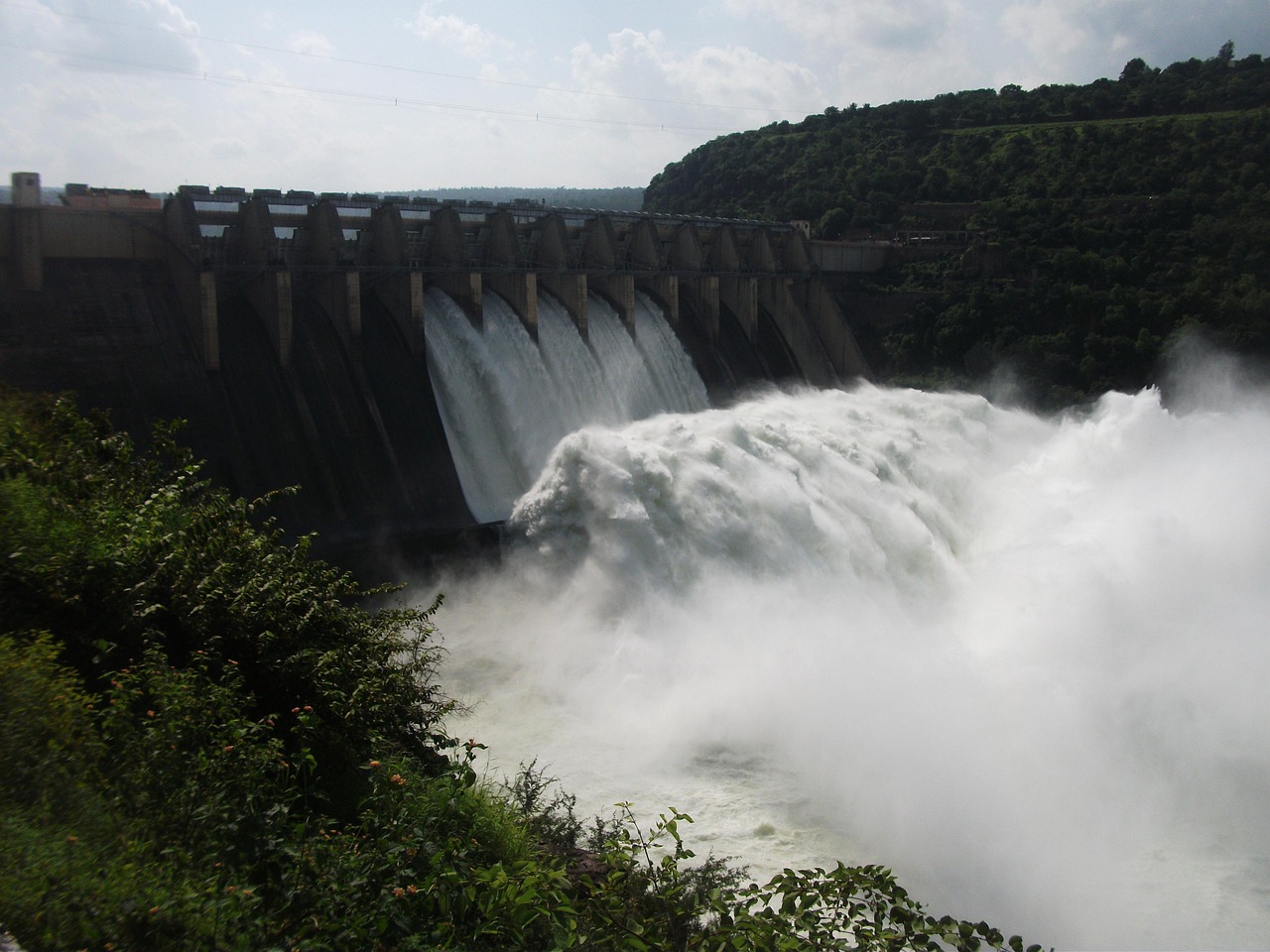
Photo: Pixabay
The other six water uses you should know about:
Although the five uses above are most relevant to agriculture, farmers, especially those operating on larger or diversified farms, should be aware of the full spectrum of regulated water uses:
- (d) Engaging in a stream flow reduction activity
Relevant for forestry plantations (for example eucalyptus or pine) that reduce natural stream flows. - (f) Discharging waste or water containing waste into a water resource
Covers activities such as discharging treated effluent into a river or wetland. - (h) Disposing of heated water or industrial wastewater
Applies mostly to agri-processing or power generation on farms. - (i) Altering the bed, banks, course, or characteristics of a watercourse
Often overlaps with Section 21(c), and includes excavation, channel shaping, or erosion control measures. - (j) Removing water found underground for activity continuation or safety
Relevant for mining operations, or farms with underground storage or tunnels. - (k) Using water for recreational purposes
Includes boating, angling, or creating man-made water bodies for tourism or leisure.
Do you need a licence?
If you are engaging in any of the eleven water uses listed in Section 21, you are legally obligated to apply for a Water Use Licence — unless your activity is covered by General Authorisations or qualifies as an existing lawful use. It is always best to consult with the DWS or a qualified water use specialist before embarking on any water-related project.
Water is becoming one of South Africa’s most contested and valuable agricultural inputs. With the reality of climate change and increasing demand, understanding and complying with Section 21 is not just a legal requirement — it is a critical part of risk management and good farm stewardship.
For more information on how Irrigation Survey and Design can assist in planning and implementing compliant irrigation systems, visit their website at https://is-d.co.za/.