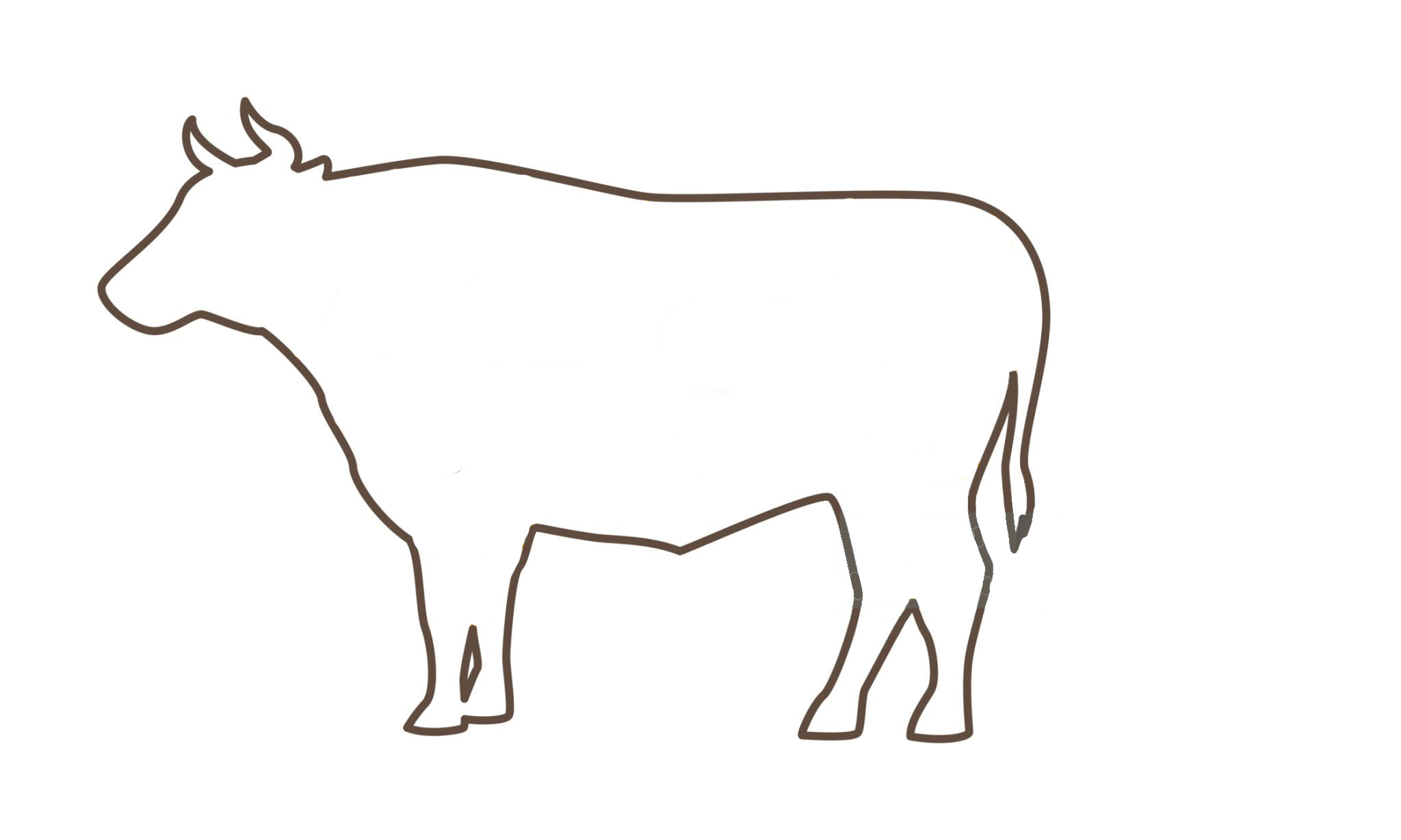
Cattle are among the best-known and most popular farm animals. From Bonsmaras to Holstein-Friesians, most people know what a cow looks like. But how do you easily tell a cow apart from a bull when you take a closer look?
Apart from the reproductive organs, these are the easiest ways to distinguish a bull from a cow based on each sex’s unique features.
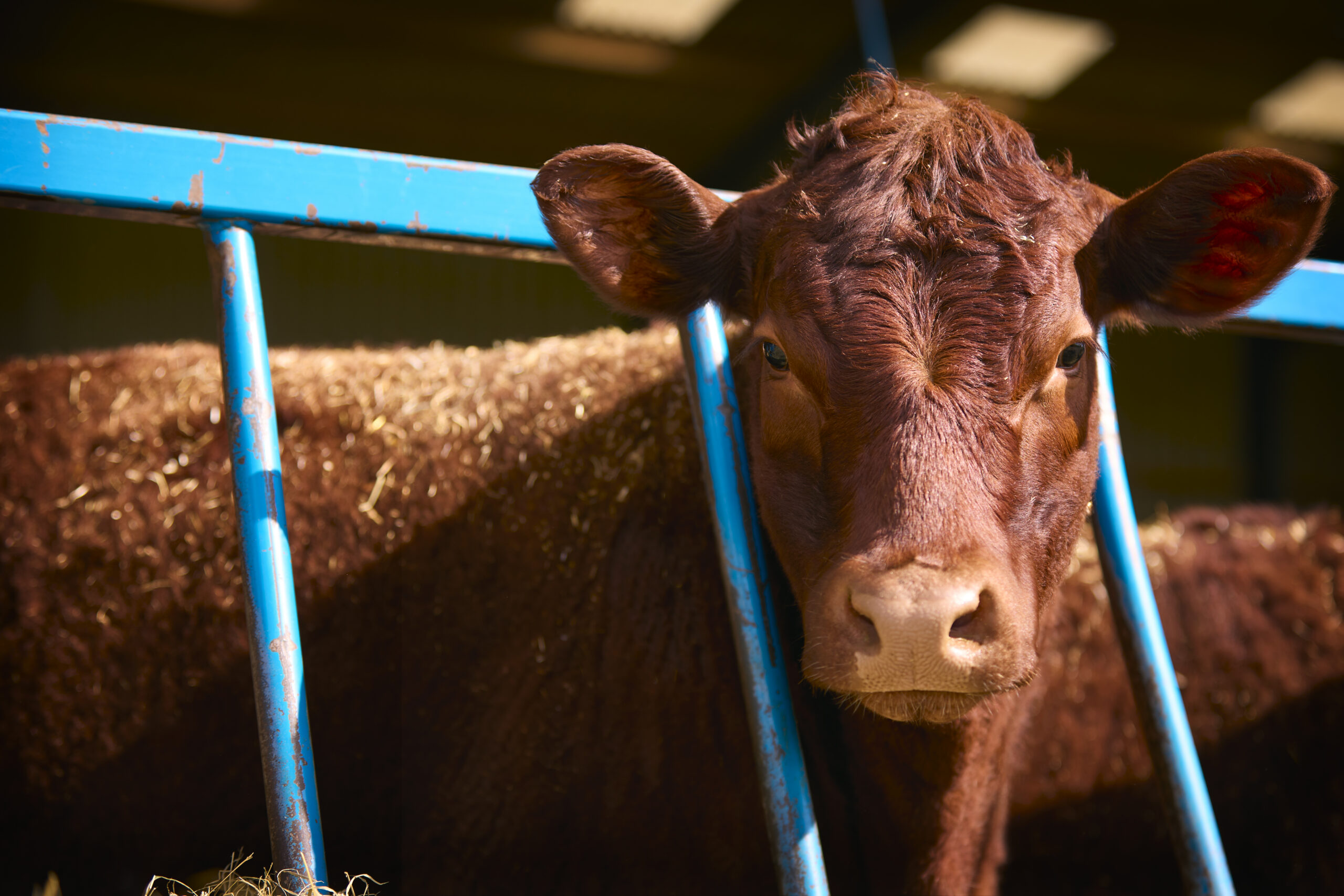
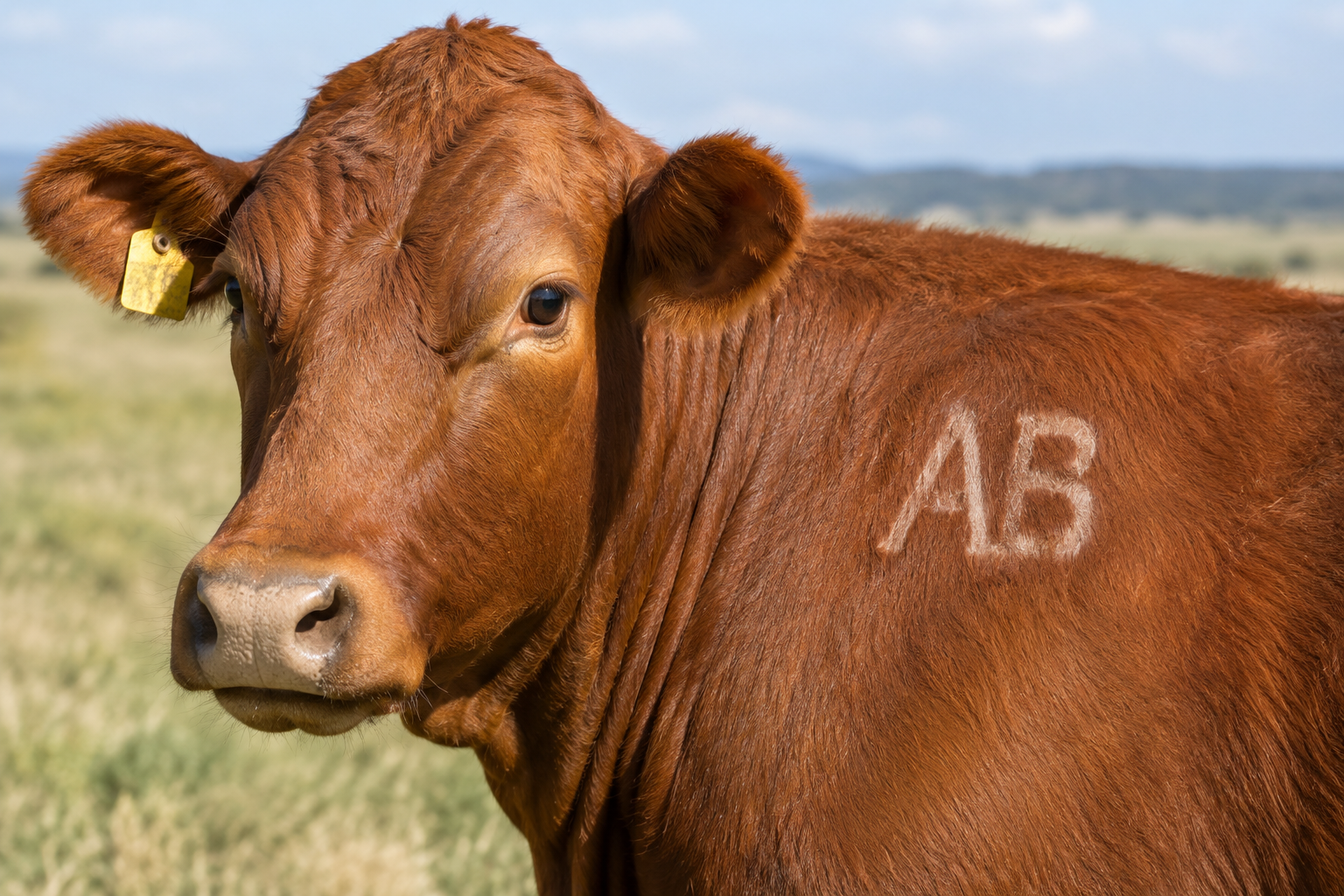
The head
Bull: Head and face
Forehead: Broad and thick, with a muscular poll that often appears rounded from the front.
Muzzle: Broad and muscular, with a heavy jawline and deep jaw angles.
Horns: Thicker at the base and usually straight; often growing outwards or forwards.
Eyes: Often set further apart and deeper, with a more aggressive forehead line.
Cow: Head and face
Forehead: Narrower and flatter, with a smooth, clearly defined poll and less visible muscle mass.
Muzzle: Daintier, with a slimmer, more refined jawline.
Horns: Thinner at the base and often longer, more curved and finely shaped.
Eyes: Softer and more prominent, with a kinder, inquisitive expression and a less pronounced forehead structure.
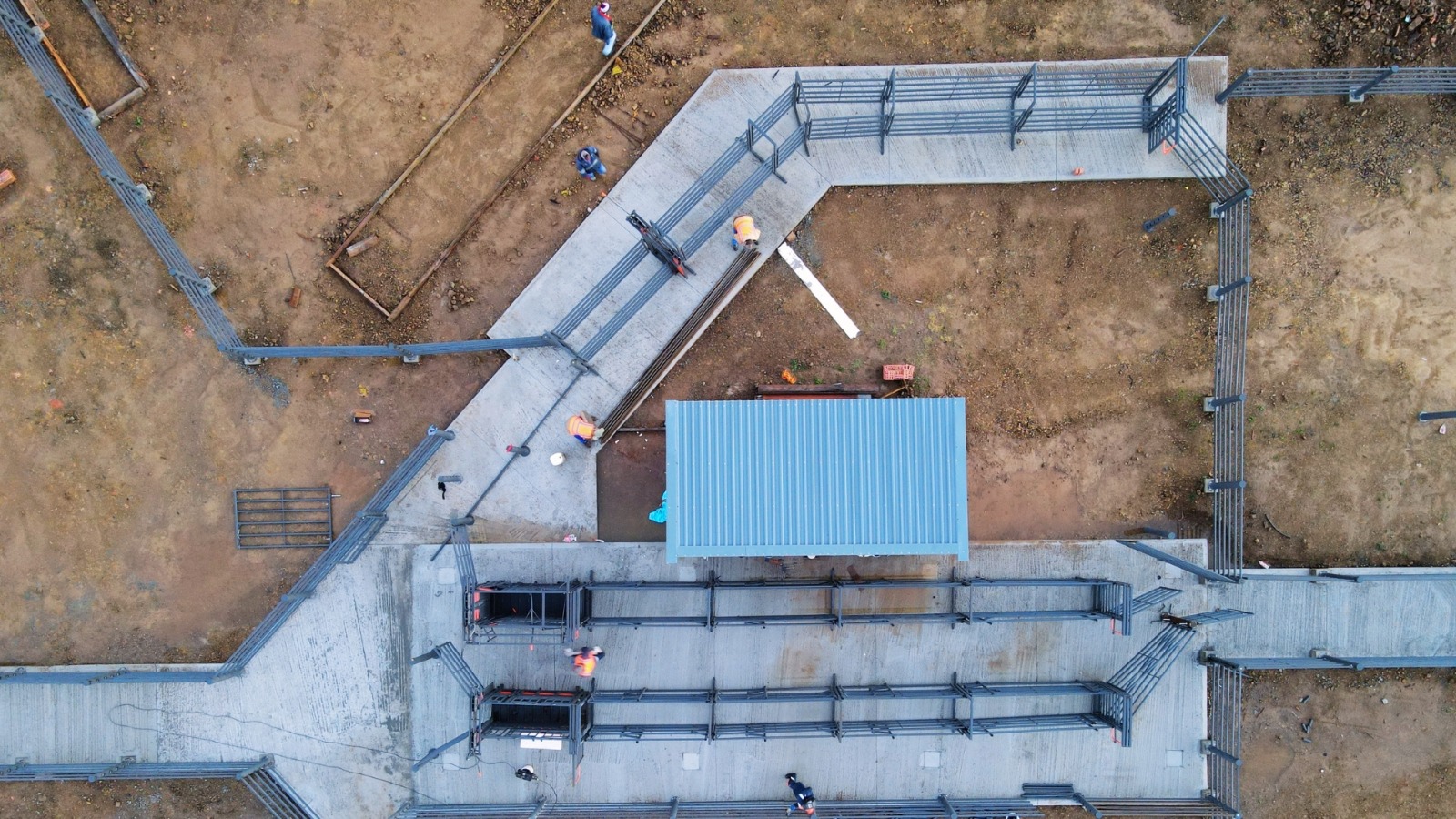
The body from above
Bull: Body shape
Overall silhouette: An inverted V-shape; the shoulders and chest are the widest part, after which the body narrows towards the hindquarters.
Shoulder and neck: Very broad and heavily muscled; the thick crest juts out on either side of the body.
Midsection: Cylindrical and muscular; the ribs are less broad than the heavy shoulders and flanks.
Hips: The hook bones sit relatively close together, are well covered with muscle, and are narrower than the forequarters.
Pin bones and rump: Well-muscled and rounded, with a smaller distance between the pin bones on either side of the tailhead.
Topline: Broad, with a distinct, thick layer of muscle.
Cow: Body shape
Overall silhouette: The classic V-shape; narrower across the shoulders and gradually widening towards the hips and pin bones.
Shoulder and neck: Smooth, narrow, and neatly formed, with a slimmer neck that lacks a prominent crest.
Midsection: Deep, broad and well-developed to accommodate digestion and pregnancy.
Hips: Broad, with prominent hook bones that form a spacious pelvic frame for calving.
Pin bones and rump: A wide distance between the pin bones provides more space for the birth canal.
Topline: Slimmer, the spine and vertebrae may be more visible.
The body from the side
Bull: Side profile
Overall silhouette: Heavy and blocky. The chest and neck are the deepest areas, with a level or tapering underline towards the rear.
Neck: A high, thick crest rising above the shoulder line, with a heavy, deep brisket/dewlap.
Shoulders: Very muscular and prominent, with a broad, deep chest projecting forwards.
Topline: High, muscular and straight, with a thick layer of muscle over the loin covering the spine.
Rump: Thick, muscular and rounded; the tailhead blends smoothly into the heavy muscle mass.
Cow: Side profile
Overall silhouette: The chest is shallower, while the body gradually deepens towards the flank and hindquarters.
Neck: Slim, long and smooth, with a tight dewlap and no prominent crest.
Shoulders: Smooth and tightly set; blending neatly into the chest.
Topline: Flat to prominent; the vertebrae are often visible, particularly in dairy breeds.
Rump: Long and angular from the hook bone to the pin bone, with a prominent tailhead.