As 2026 draws to a close, Dry Ice 4 Farming reflects on a year of learning, progress and continued support for better livestock identification. As livestock identification plays an increasingly important role in modern farming, reliable, long-lasting branding solutions remain essential for farmers who want to manage their herds effectively and protect their livestock’s value.
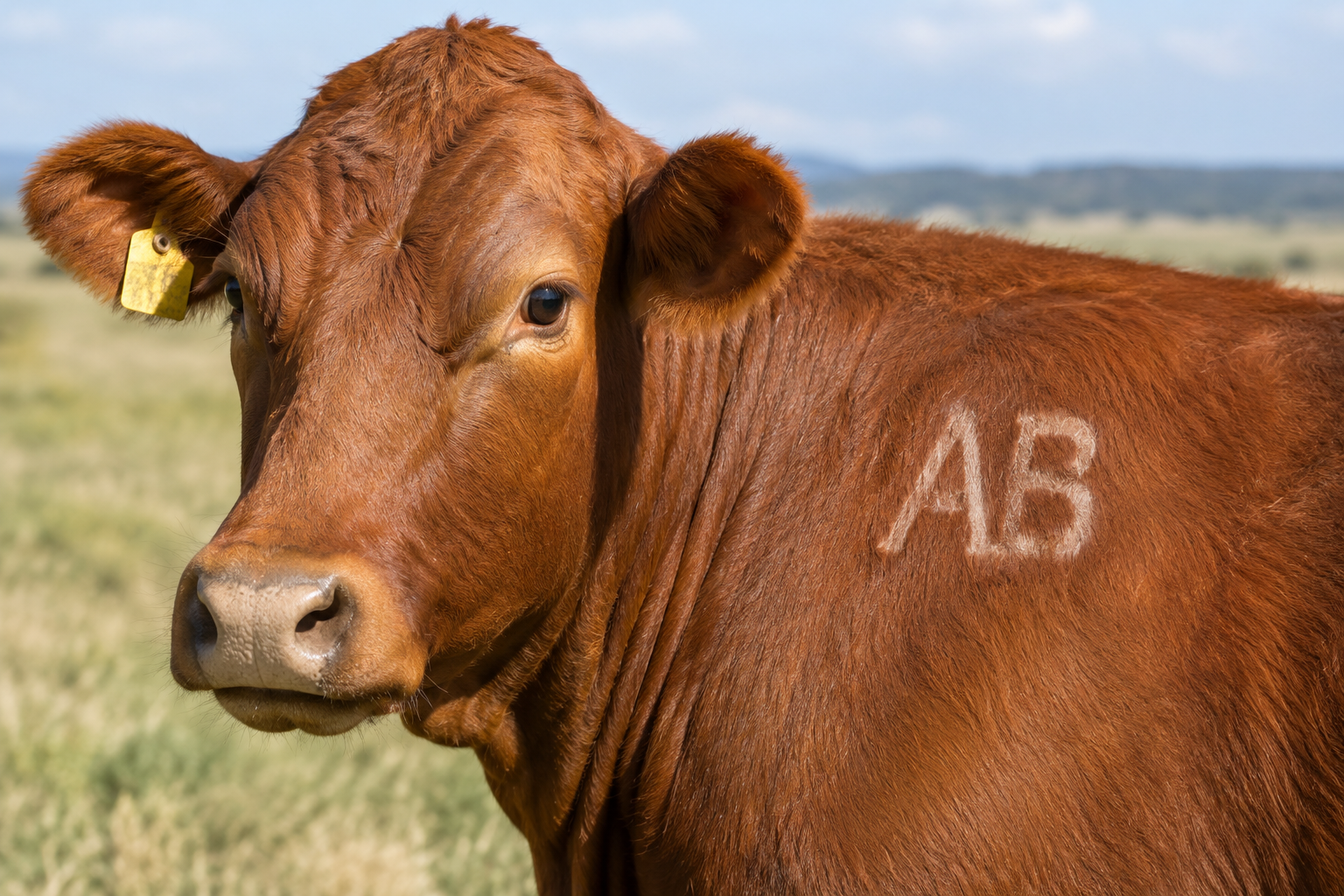
Knowing which animals belong to a particular herd helps farmers maintain accurate records, monitor livestock and manage their farming operations with greater confidence. Freeze-branding offers a practical identification method that creates a distinctive, visible mark, helping farmers identify their cattle for years to come.
Throughout the year, Dry Ice 4 Farming has been proud to share valuable freeze-branding insights and help the farming community understand the benefits of this identification method. From helping farmers learn more about the process to supplying quality dry ice for branding irons, the company’s focus remains on making livestock identification clearer, more dependable and accessible to farmers.
Dry Ice 4 Farming would like to thank every farmer, customer and industry partner who supported the business throughout 2026. Your trust, feedback and continued support have contributed to a year of shared learning and progress.
The advantages of freeze branding
- Freeze branding is a popular livestock identification method that uses a super-cooled branding iron to affect the pigment-producing cells in the hair follicles.
- Minimal trauma: When performed correctly, freeze-branding can cause less tissue damage than traditional hot branding, with reduced discomfort for the animal.
- Clear identification without blotching: Proper technique helps produce a neat, legible mark that supports reliable identification.
- Suitable for dairy cattle: Freeze-branding is particularly useful for dairy farmers who need to identify individual animals within their herds.
- Can be used on in-calf cows: Freeze-branding can be performed on pregnant cattle when appropriate care is taken, and the procedure is carried out correctly.
- No broken skin when performed correctly: The technique is designed to avoid the open wounds associated with some other branding methods, reducing the risk of infection linked to damaged skin.
As with any livestock handling procedure, correct restraint, preparation and application are essential. Farmers should follow appropriate animal-welfare practices and seek guidance from an experienced professional when necessary.
How does freeze branding work?
Successful freeze-branding starts with the right equipment, good preparation and quality dry ice. The process involves several important steps to achieve a clear and consistent identification mark.
First, the animal must be safely and securely restrained to minimise stress and movement. The selected branding area is then clipped and cleaned to ensure proper contact between the skin and the branding iron.
The branding iron is cooled using dry ice and prepared according to the appropriate freeze-branding procedure. It is then applied to the prepared area with firm, even pressure for the recommended period, depending on the animal, coat and equipment being used.
Following the procedure, the affected hair follicles gradually produce white hair, creating a distinctive mark that becomes more visible as the hair grows back over the following weeks. Correct application is crucial to achieving a clear result, making both technique and the quality of the cooling agent important considerations.
Dry ice plays a vital role in this process by cooling branding irons to the temperatures required for effective freeze-branding. With the right preparation and technique, farmers can achieve lasting livestock identification that supports more efficient herd management.
Thank you for being part of the Dry Ice 4 Farming journey in 2026. We look forward to another year of learning, growth and supporting South African farmers with practical freeze-branding solutions. Every successful branding process contributes to easier identification, improved herd management and greater confidence in knowing that animals can be recognised as part of a farmer’s herd.
For more information about Dry Ice 4 Farming and its applications in livestock identification, visit www.dryice.co.za or get in touch with the Dry Ice team. See you next year!