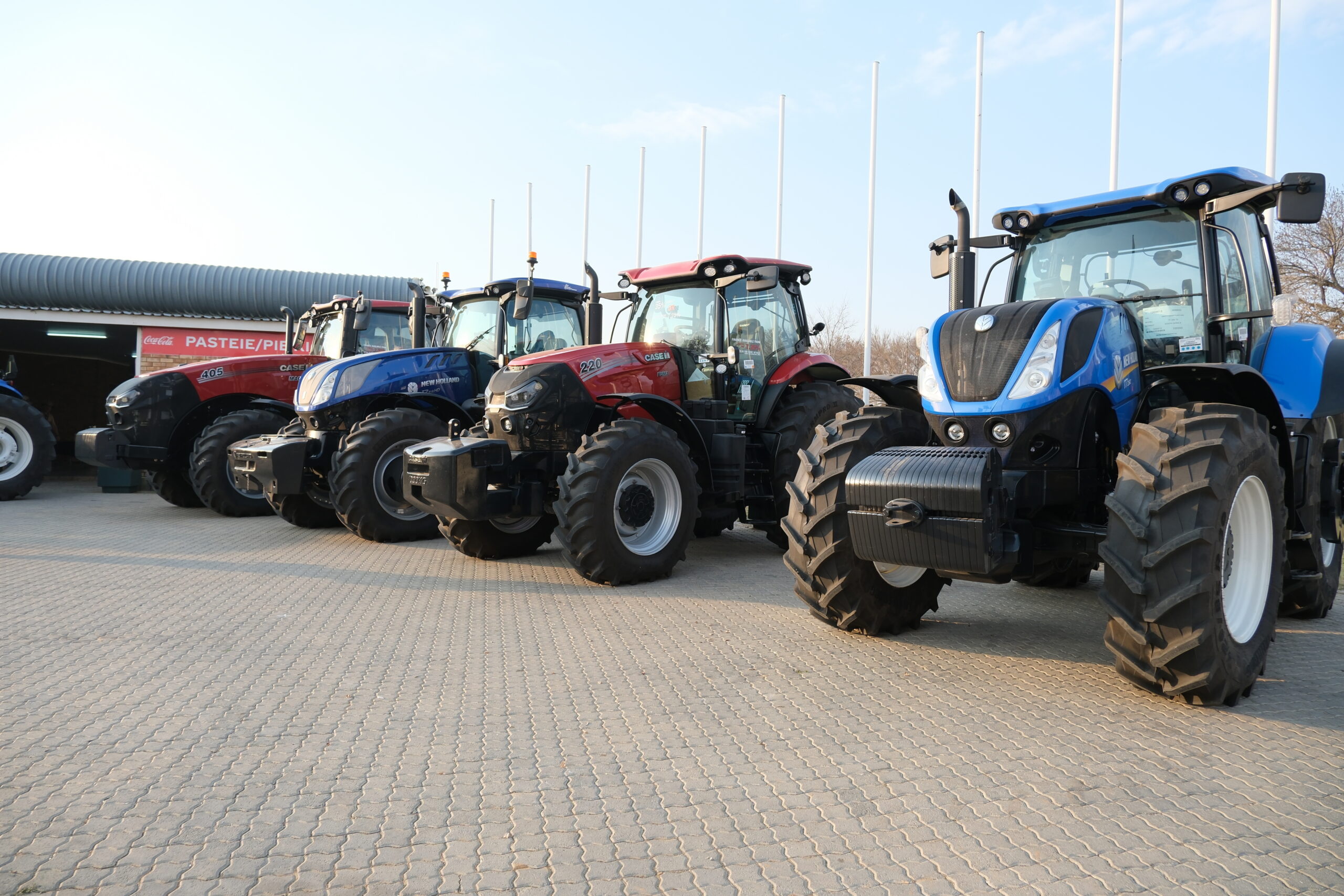
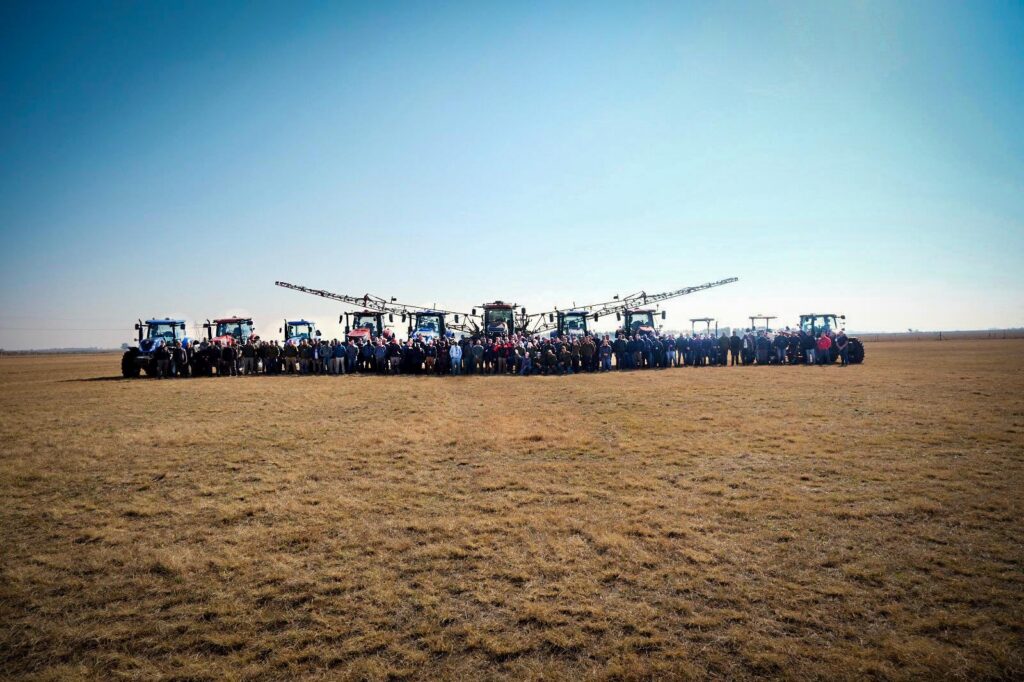
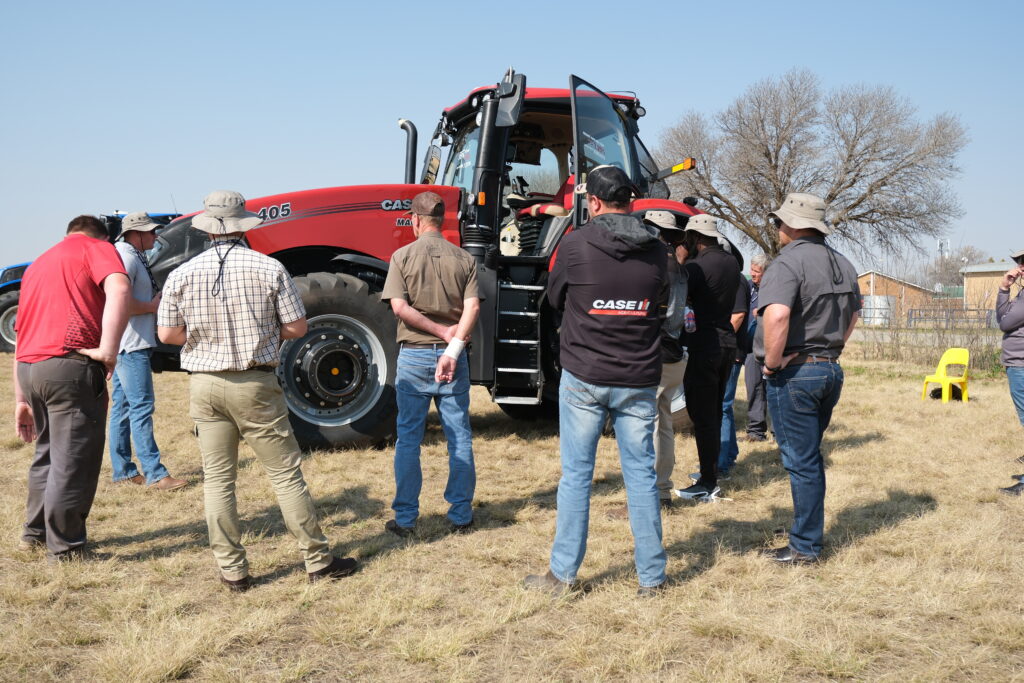
Precision farming today is about far more than simply having a GPS system in a tractor. It is about the ability to connect machines, data, people and decisions. To ensure that this technology is not only available, but also properly understood, sold, and supported, CNH hosted its Precision Sniper Training at NAMPO Park in Bothaville this year.
The training brought together representatives from Case IH and New Holland in South Africa and other African markets with one common goal: to better equip the people who work with farmers and their machinery every day to successfully take CNH’s precision technology from the dealership to the farm.
The principle is simple. The more advanced agricultural technology becomes, the more important the knowledge of the people who sell, install, maintain and support it becomes. After all, a farmer is not simply buying a piece of hardware or software; they are investing in a solution that needs to perform reliably when planting, spraying or harvesting season arrives.
More than just product knowledge
CNH’s Sniper concept is not new. The company has previously hosted intensive Sniper Precision Technology training in Bothaville as part of its strategy to develop a community of precision farming specialists within its dealer and support network.
The aim is for these specialists not to keep their knowledge to themselves, but to share it throughout the organisation and dealer network. CNH has previously described this role as Dealer Precision Farming Specialists: people who take practical knowledge into different departments and, in doing so, expand the support network available to farmers.
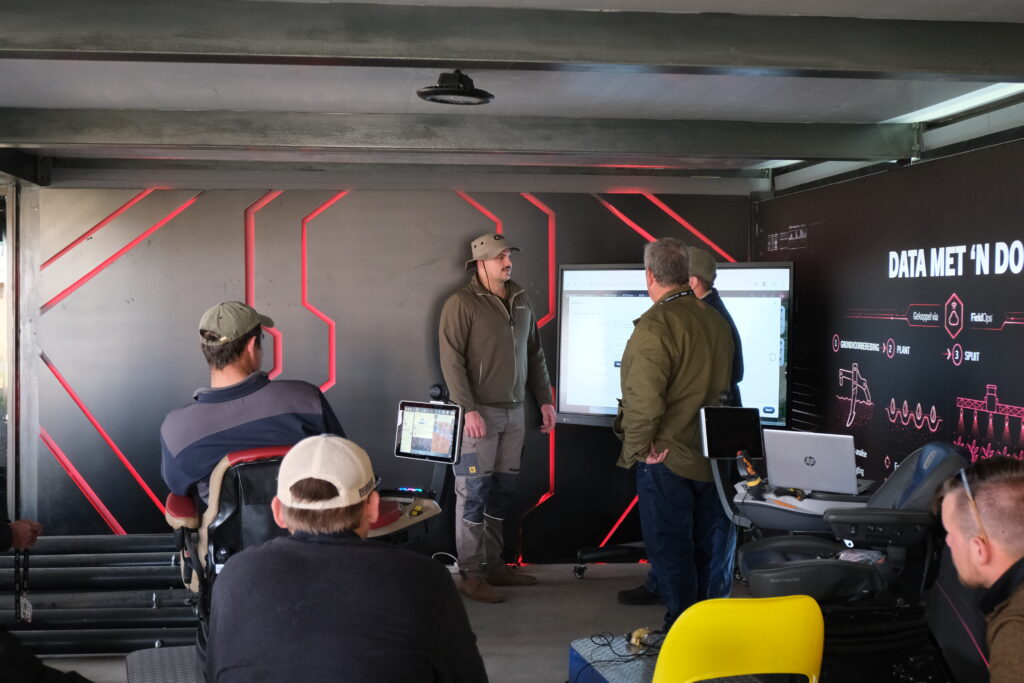
The latest training at NAMPO Park builds on this principle. Participants involved in sales, workshops, electrical support, parts, after-sales service, management and precision technology were brought together. This means that the conversation around precision technology does not end once a system has been sold.
The person explaining the product to the farmer, the technician responsible for diagnosing a problem, and the after-sales team supporting the farmer after the transaction ultimately all need to understand the same technology and the value it provides.
This is particularly important because CNH’s precision solutions are increasingly becoming part of a larger connected ecosystem in which machine and agronomic data can be used to help farmers make better decisions.
Technology must deliver practical value on the farm
The value of precision farming ultimately does not lie in how much technology is built into a cab, but in what the farmer can achieve with it. Modern precision technology can help operators carry out tasks more accurately, reduce overlap, better understand machine performance, and transform field data into useful management information.
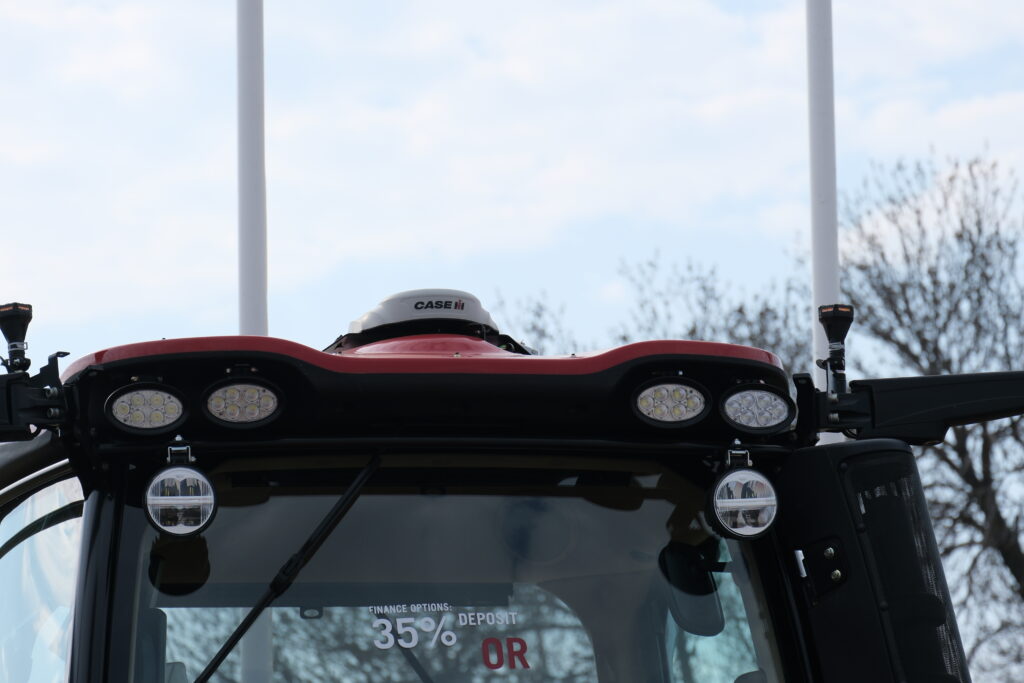
CNH’s FieldOps platform is a good example of how this approach is evolving. FieldOps brings machine and agronomic data together on a single platform and provides access to information such as fleet management, machine performance and field data. It is also designed to work with mixed fleets rather than limiting a farmer’s data to machinery from a single brand.
This type of technology is also changing the relationship between farmers and their dealers. Connected machines make it possible to identify certain problems more quickly and allow support to become more proactive.
CNH’s previous Sniper training, for example, taught technicians how remote diagnostics can be used and how support can be provided to a machine without the technician necessarily having to be physically present on the farm. The aim is to identify potential problems earlier, reduce downtime, and better plan maintenance around the farmer’s working schedule.
For a farmer, this support can be just as important as the technology itself. When the planting window is short or a combine needs to keep running during harvest, hours of unnecessary downtime can have a negative impact.
The dealer remains an important link
Even as agriculture becomes increasingly digital, the dealer does not disappear from the picture. In fact, in many cases, the dealer’s role becomes even more important. A farmer needs to be able to contact someone who not only knows which button to press, but also understands how the entire system works together. When a problem arises, the dealer needs to be able to determine whether the issue lies with the machine, connectivity, display, setup, data or another component.
For this reason, CNH places a strong emphasis worldwide on developing its dealer personnel. According to CNH’s sustainability report, the company designs annual training programmes for approximately 92 000 people within its global dealer workforce, including technicians, sales personnel, and after-sales teams. This training is adapted according to brand, region and market requirements.
The Precision Sniper Training therefore forms part of a much broader strategy: technology can only be successfully implemented on a large scale when the people closest to the farmer have the necessary knowledge.

From reactive to proactive
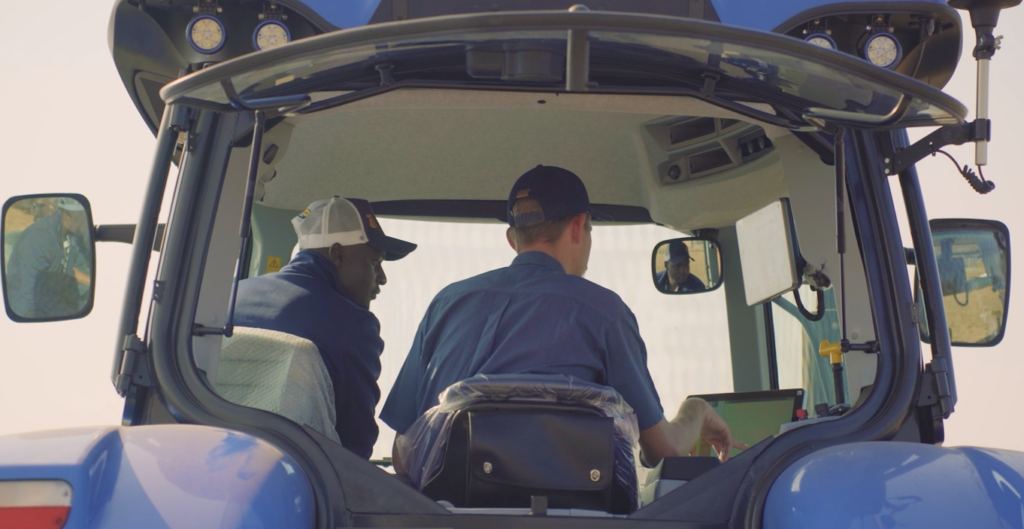
One of the biggest shifts made possible by connected agricultural technology is the move from reactive to more proactive support.
Traditionally, a technician would often only become aware of a problem after a machine had already stopped working. With connected systems and access to machine data, problems can, in certain cases, be identified and investigated earlier.
CNH has already applied this principle through its Connect Facility in South Africa. It was developed to support connected services and enable technicians to monitor machine performance while helping dealers respond more quickly to problems. According to CNH, this can help prevent critical breakdowns, improve machine health and increase uptime.
The technology has continued to evolve since then. Case IH’s FieldOps, for example, provides remote viewing of compatible cab displays, which can further simplify support when an operator needs assistance in the field.
The conversation around precision farming is therefore changing. It is no longer simply about straight rows or accuracy from point A to point B, but rather about a connected farming operation where data, machines, dealers and farmers work together to improve productivity and efficiency.
Knowledge makes the biggest difference
NAMPO Park is well known as a place where farmers can experience the latest agricultural technology, but with the Precision Sniper Training, the venue also became a classroom for the next level of technical support.
CNH has previously used NAMPO Park for international training. In 2022, for example, Case IH welcomed participants from 21 countries to a training camp in South Africa, where practical training took place in small groups at various stations throughout NAMPO Park.
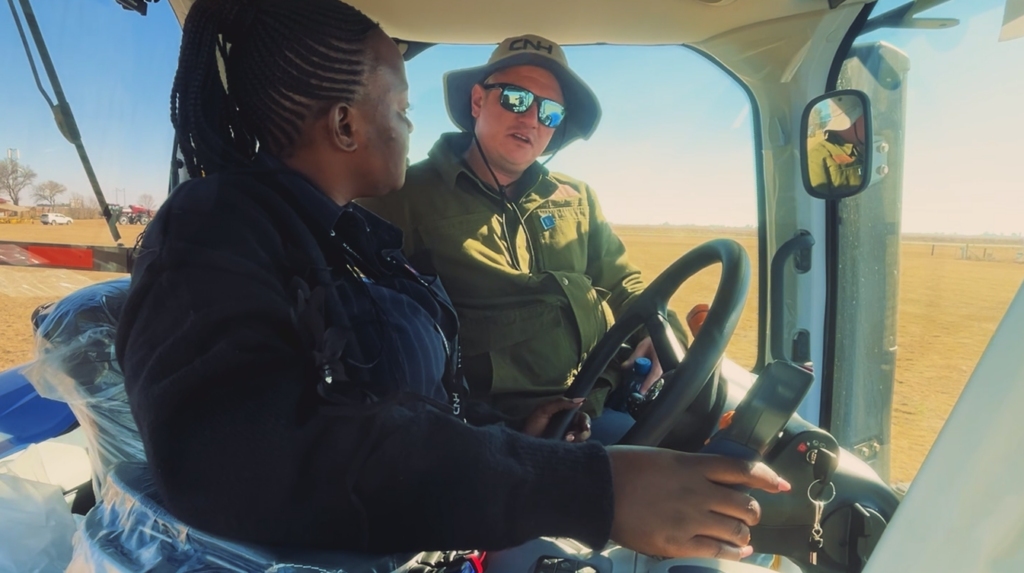
The Precision Sniper Training continues this same practical philosophy: people gain knowledge of technology most effectively when they can see it, use it, test it, and learn how to solve problems with it.
For Case IH and New Holland dealers, this means better-equipped sales and support teams. For CNH, it means building a stronger network of expertise across different markets. Ultimately, however, the greatest benefit should reach the farmer.
When the person on the other end of the phone, behind the parts counter, in the workshop or out on the farm truly understands the technology, advanced precision technology becomes a practical tool rather than simply another complicated system.
And that is where the true value of Precision Sniper Training lies: not simply in providing farmers with technology, but in ensuring that there is a knowledgeable network behind that technology to help them use it successfully.
For more information, email nicolaas.myburgh@cnh.com, contact him on 079-877-0229, or visit cnhgroup.co.za