Biofuel is not an unfamiliar concept to anyone keeping up with global events. It is fuel produced from various sources with a single objective: to burn cleaner and reduce dependence on crude oil.
South Africa finds itself in a unique position: the country is becoming increasingly dependent on imported, refined fuel. According to Novonesis, a global leader in biological solutions, approximately 75% of South Africa’s fuel is imported from abroad, while only 25% is refined locally from crude oil.
At the same time, many farming operations are seeking new avenues to generate income. This is where biofuels offer a solution to two problems simultaneously. Farmers can cultivate specific crops, while the refining industry requires specific raw materials to produce high-quality fuel.
Furthermore, biofuels can be produced from used cooking oil and organic agricultural waste. The processing of sugarcane and other grains can also contribute to the development of this fuel.

Biofuels can play a role in easing the financial pressure on South Africans. Foto: Engin Akyurt, Unsplash
What farmers can cultivate
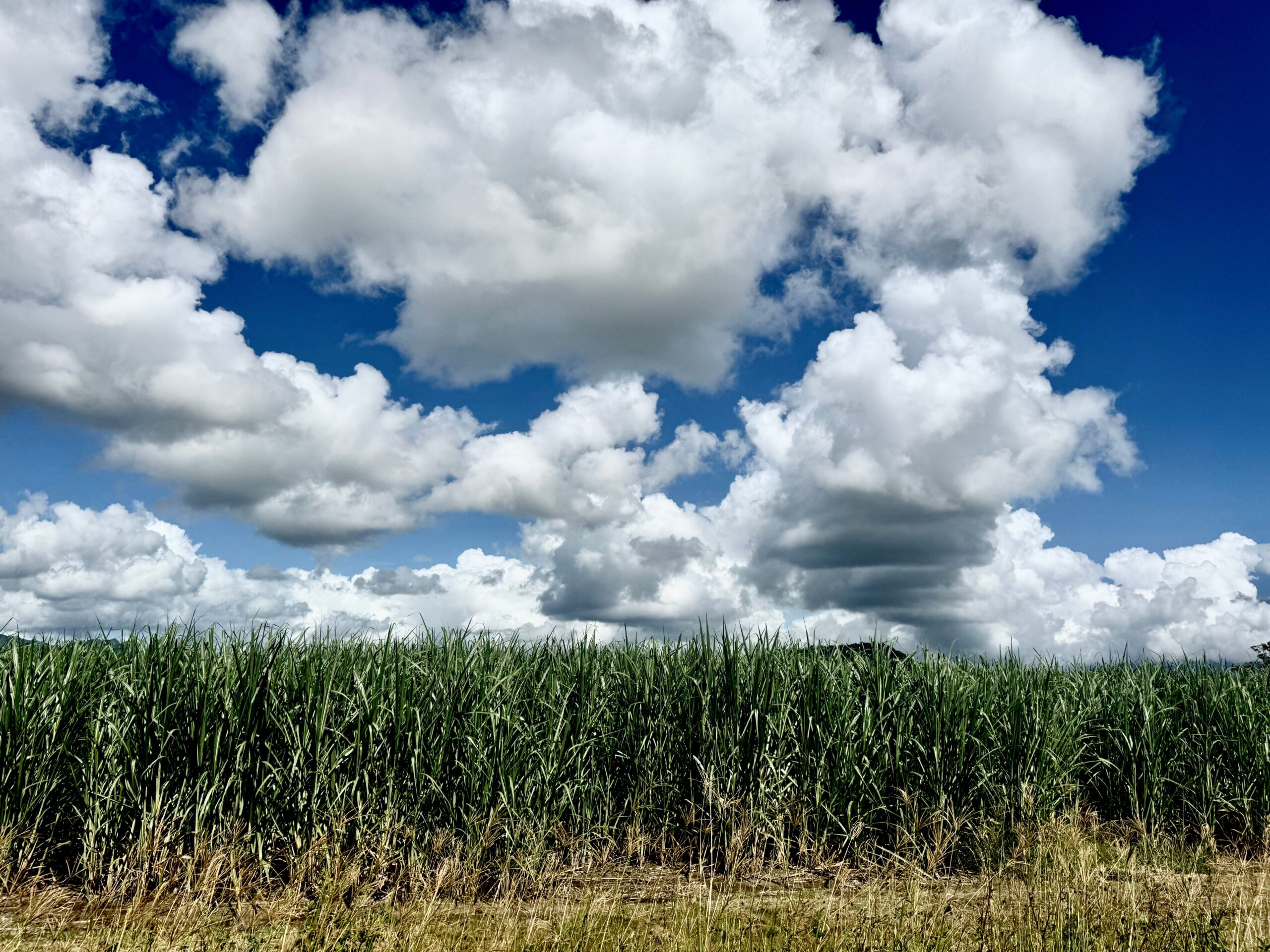
From a farmer’s perspective, there are many crops suitable for biofuel production, and many of these are already grown on a large scale in South Africa. One of the most effective crops is sugarcane, which presents a golden opportunity for farmers across KwaZulu-Natal to boost sales.
For many years, farmers here have been searching for alternative ways to maintain profitability and counteract sugar imports from Brazil and other countries for years. Biofuel could potentially be the solution to make sugarcane king once again.
However, there are other farming sectors that can grow alongside the biofuel industry in South Africa. Farmers producing soya beans, canola, sunflower, and camelina also stand to benefit. Because these seeds are used to produce oil, they can easily serve as feedstock for biofuel.
Farmers in Mpumalanga are already engaged in soya bean production, as canola and camelina are cultivated on large farms in the Western Cape, and the Free State boasts numerous sunflower farms. The value of these seeds can be enhanced through the development of South Africa’s own biofuel industry.
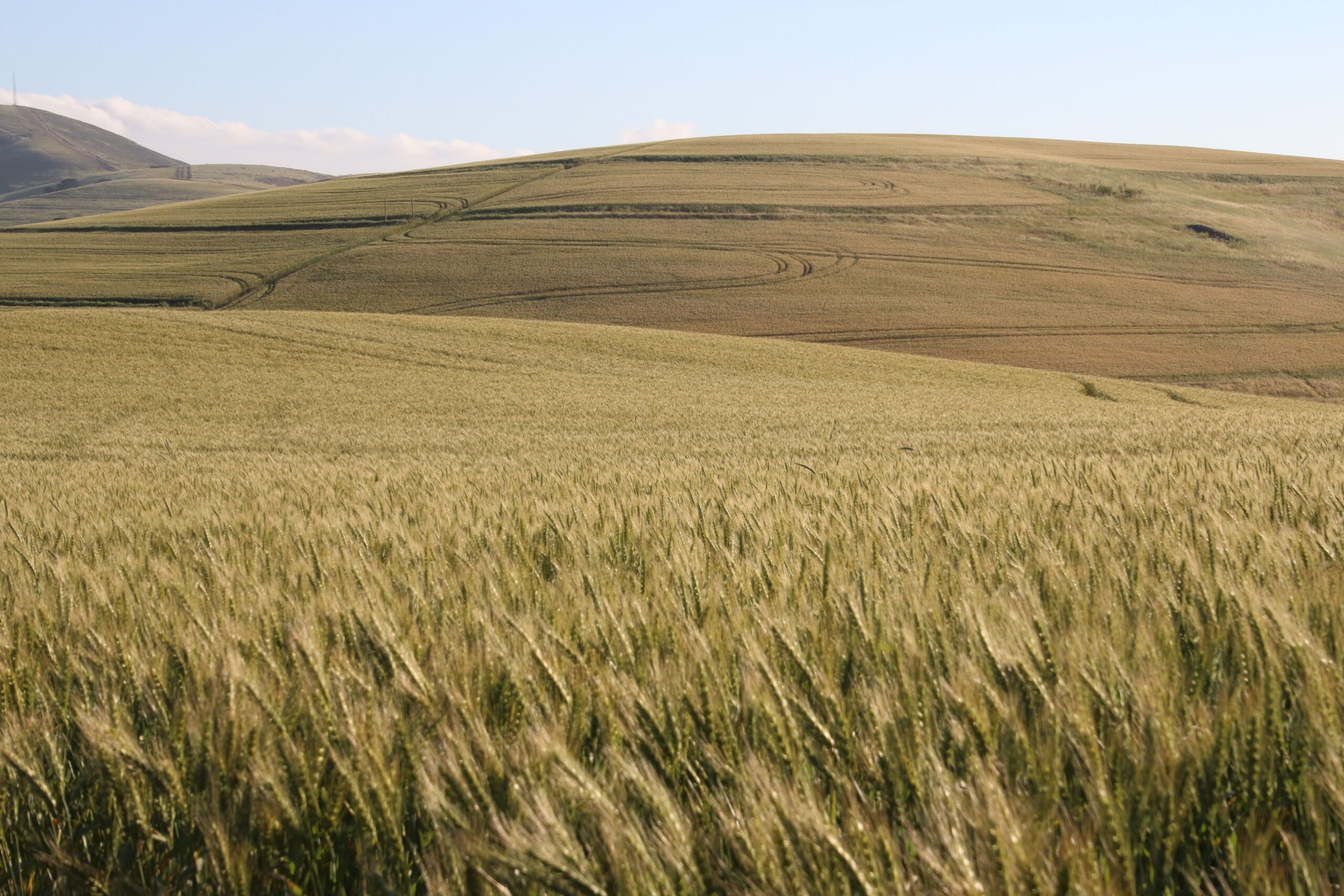
Many South African farmers are already focusing on crops suitable for biofuel.
How biofuel production can get under way
Before suppliers of used cooking oil, residual oilseeds, and sugarcane farmers can pin their hopes on biofuel, an industry capable of utilising these raw materials must first exist. Nanda Kishore Chanda, senior executive manager for Novonesis’s South African operations, explains:
“South Africa possesses considerable agricultural potential and has the opportunity to explore how biology can help generate more value from the resources already available in the country.”
Novonesis is a global biotechnology company specialising in biological solutions. The company does not rely on conventional refining to produce biofuel, but rather utilises enzymes, functional proteins and microbial cultures.
Thanks to this technology, biofuel can be produced from a wide variety of sources. This also explains why this type of biofuel is less harmful to manufacture and burn.
“The opportunity lies not merely in manufacturing biofuel, but in building a more resilient system that connects farmers, industry, energy and the broader economy,” says Chanda.
For biofuel to succeed in South Africa, more than just manufacturing facilities will be required.

Sunflowers and other oilseeds can be used to develop biofuel.
Government policy is needed for further growth
One of the key requirements for the growth of biofuel in South Africa is government support. Targeted government policy, alongside infrastructure and investment, is essential to develop the industry.
Government support for biofuels signals growth potential in the sector and makes it easier to secure raw materials for processing. Private companies like Novonesis can then make further investments in the country to build the necessary processing capacity.
Crucially, if production scales sufficiently, biofuel could transition from a means of easing domestic fuel pressures into a profitable export product. This offers a dual benefit: it can reduce petrol and diesel prices locally while attracting foreign investment to develop South Africa’s farms and infrastructure.
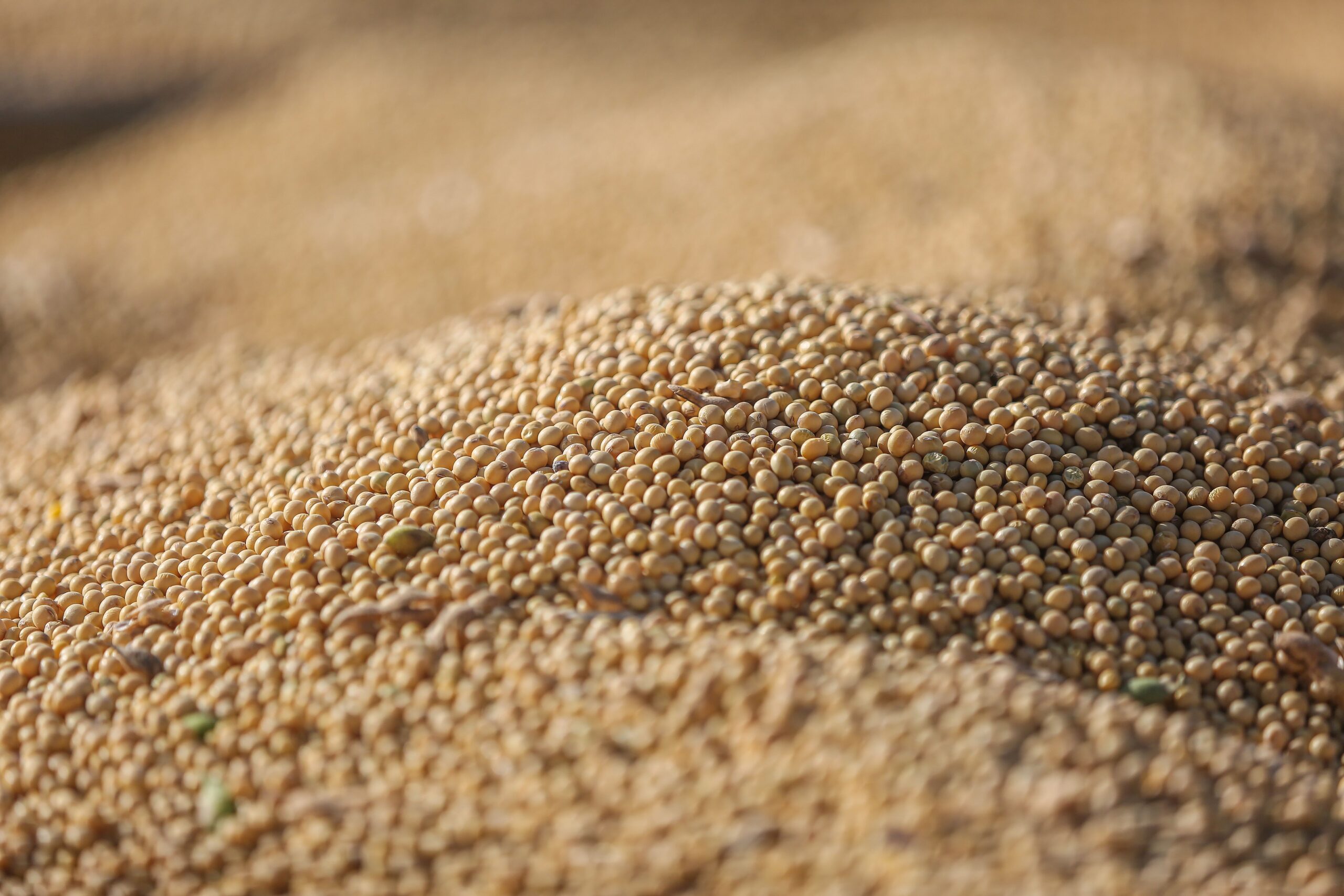
Soya is also exceptionally well suited for biofuel production.
Chanda concludes: “For Novonesis, the role of biological solutions in South Africa’s energy transition lies in making more local options commercially viable. By integrating biology into agriculture, waste and energy, South Africa can strengthen food and energy security, support local production and create economic opportunities.”