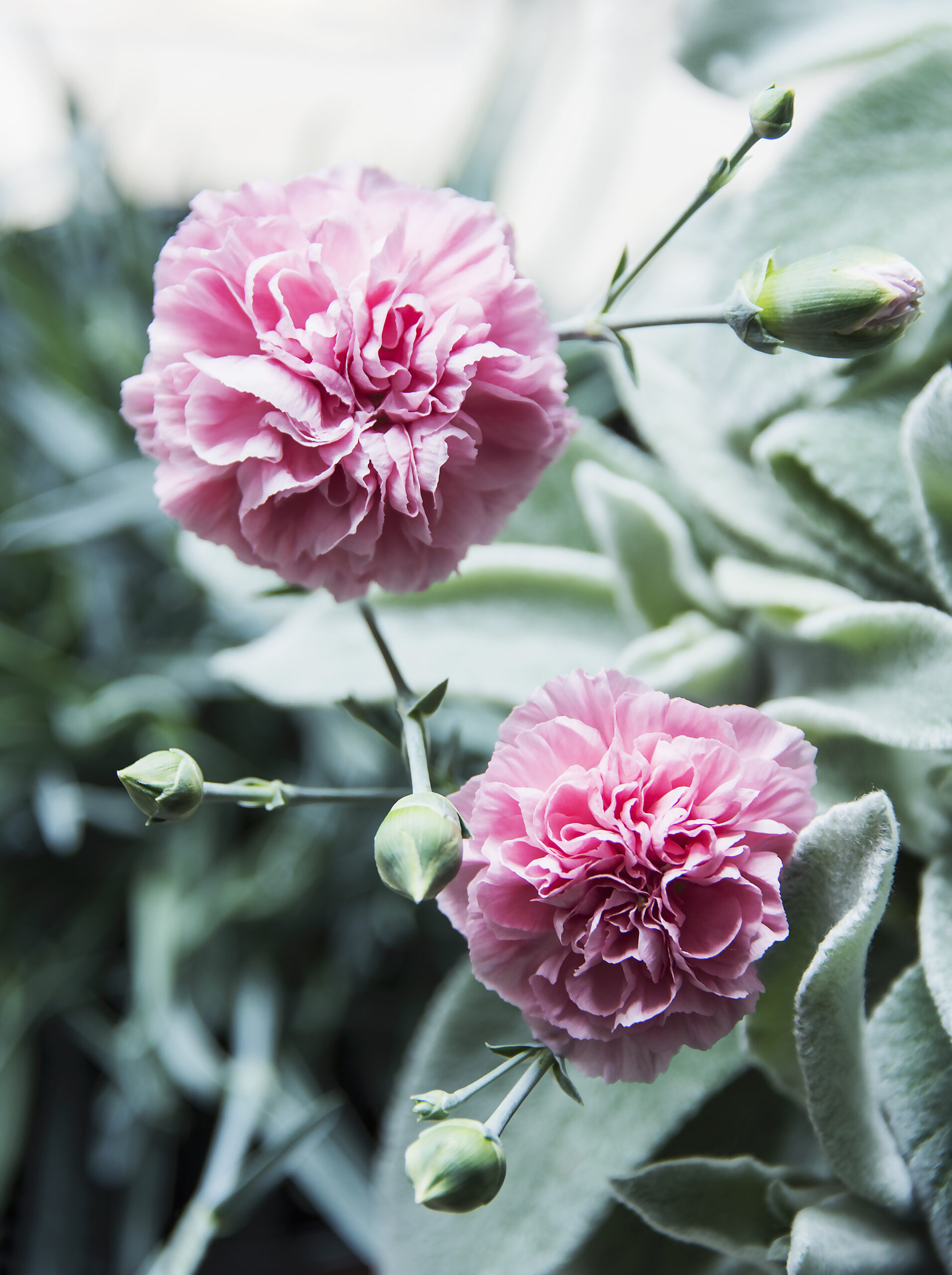
When you receive a beautiful bouquet, it is easy to admire the colours, the fragrance and the perfect blooms. However, many people do not realise the incredible amount of work that goes into growing every single flower. Behind every bouquet are farmers, greenhouse workers, careful planning and months of dedication.
Kenya has become one of the world’s leading flower-producing countries, with millions of flowers leaving the country daily to brighten homes, weddings and special occasions across the globe.
For thousands of people, flower farming is not just about growing something beautiful, it is a way of making a living and helping one of Kenya’s biggest agricultural industries flourish.
This article marks the beginning of our Farming with Flowers series, where we will take a closer look at Kenya’s thriving floriculture industry. Over the next few articles, we will explore the country’s most popular commercial flowers, how they are grown, and what makes Kenya one of the best places in the world to produce them.
Why Kenya?
Not every country can grow flowers the way Kenya can.
Many of Kenya’s flower farms are found in areas such as Naivasha, Thika, Nakuru, Eldoret and around Mount Kenya. These regions offer exactly what flowers need to thrive: high altitudes, fertile soils, plenty of sunshine and mild temperatures throughout the year.
The result is flowers with vibrant colours, strong stems and an impressive vase life. These are qualities that buyers around the world look for.
Nature certainly gives Kenyan flower farmers a helping hand, but producing export-quality flowers still takes skill, experience and attention to detail.

An industry built on opportunity
Kenya’s flower industry is about far more than growing beautiful blooms, it is a major contributor to the country’s economy. The sector generates billions in export revenue each year while creating employment for hundreds of thousands of people, from greenhouse workers and farm managers to packhouse staff and logistics teams.
Whether on large commercial farms or smaller family-run operations, flower farming continues to create opportunities for entrepreneurs and farmers looking to diversify into a high-value crop.
Maintaining Kenya’s reputation as one of the world’s leading flower exporters requires more than favourable growing conditions. Growers must meet strict international quality, environmental and social standards throughout the production process.
Organisations such as the Kenya Flower Council (KFC) and the Horticultural Crops Directorate (HCD) help guide and regulate the industry, while sustainability standards such as the Flowers and Ornamentals Sustainability Standard (FOSS) recognise farms that follow good agricultural practices, protect the environment and prioritise worker welfare.
These certifications give international buyers confidence that Kenyan flowers are produced responsibly and to the highest standards.
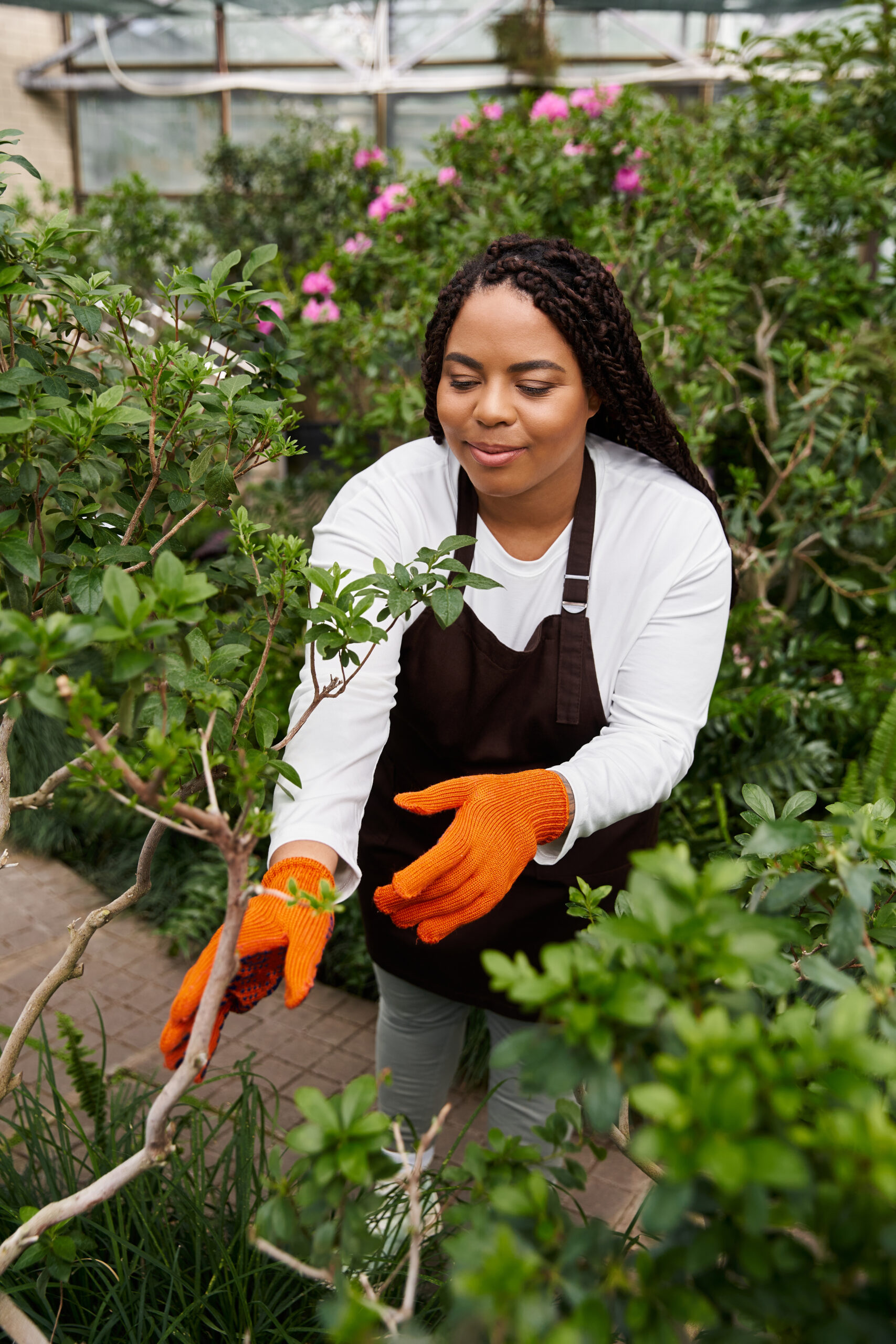
An African American woman with braids works diligently in a greenhouse surrounded by lush greenery.
More than just planting flowers
Flower farming is much more technical than many people think. Before a single flower is planted, farmers need to decide which varieties will perform best in their climate, and which flowers are in demand on local and international markets.
They must also consider planting dates, harvest schedules and even major events like Valentine’s Day and Mother’s Day, when flower demand reaches its peak.
Once planting begins, the work really starts.
Healthy soils, reliable irrigation, careful fertilisation and effective pest management all play an important role in producing flowers that meet the high standards of international buyers.
Flowers are harvested at exactly the right stage, cooled almost immediately and carefully packed before beginning their journey to customers around the world.
Growing with the future in mind
Like many agricultural industries, Kenya’s flower sector is placing a greater focus on sustainability. A lot of farms are investing in rainwater harvesting, biological pest control, renewable energy and other environmentally friendly practices that help reduce their impact while maintaining excellent flower quality.
International certifications have also become increasingly important for growers supplying overseas markets.
This is proof that beautiful flowers and responsible farming can go hand in hand.
A flower for every occasion
Although Kenya produces a wide variety of flowers, a few have become true stars of the industry. Roses remain the country’s biggest export, while carnations, Peruvian lilies (alstroemeria) and gypsophila, better known as baby’s breath, are also highly sought after for bouquets and floral arrangements around the world.
Each flower has its own growing requirements, unique characteristics and role in the market.
And that is exactly what makes this industry so fascinating.

Happy African American female florist working with potted flowers at flower shop and looking at camera.
Join us on the journey
Every flower has a story to tell, and every successful bloom starts long before it reaches a vase.
Over the coming weeks, we will step inside Kenya’s flower farms to discover what it takes to grow some of the world’s most beautiful blooms. We will begin with Kenya’s most famous export, the rose, before exploring carnations, Peruvian lilies and baby’s breath, and learn why each of these flowers plays such an important role in the country’s flourishing floriculture industry.
Whether you are a farmer looking at diversification, someone with a love for flowers, or someone who is simply curious about one of Africa’s most successful agricultural sectors, we hope you will enjoy joining us on this journey.
Sources:
Kenagro Suppliers Limited. (2025). Flower farming in Kenya: Essential success tips. https://kenagrosuppliers.co.ke/2025/05/07/flower-farming-in-kenya/
Eco Agriculture Kenya. Flower farming in Kenya: Blossoming opportunities in the floral industry.https://eco-agriculturekenya.co.ke/resource-center/flower-farming-in-kenya-blossoming-opportunities-in-the-floral-industry/
New Leaf Seedlings. (2026). Flower farming in Kenya and why it remains one of the most rewarding agricultural ventures.https://newleafseedlings.co.ke/2026/06/20/flower-farming-in-kenya-and-why-it-remains-one-of-the-most-rewarding-agricultural-ventures/