Most people regard insects as pesky critters, but small children often eat these creepy crawlies much to their mothers’ horror. Although kids mostly gnaw on insects out of curiosity, a whopping 2,5 billion people, many of whom live in Africa, eat insects daily.
A smorgasbord of crunchy and chewy delights
Insects are the most abundant multicellular organisms on the planet and are thought to account for 70% of all species. Insects are also among the most diverse groups of organisms in the history of life. Numerous crops rely on them for pollination, and their importance extends into other agricultural and human health issues.
In fact, for thousands of years, people from all over the world have eaten insects. To date, 420 African insects have been scientifically recorded, with grasshoppers and termites among some of the favourites.
The Central African region remains the most important hotspot of having a culture of entomophagy (the consumption of insects as part of a traditional diet or as an alternative source of protein). The insects mostly eaten on the continent are dominated by the orders Orthoptera (grasshoppers, locusts and crickets) and Coleoptera (beetles).
2,5 billion people eat insects daily.
Nutritional benefits of eating insects
Insects are also nutritious. Many insect species contain relatively more protein than conventional meat sources, like chicken or pork. Insects also contain essential fatty acids and important minerals and vitamins. For example, termites, when dried, contain up to 36% protein.
Because insects are an affordable and local food source rich in protein, they can be used as a meat replacement. Recipes vary by region and include snacks, stews and even stuffed dates.
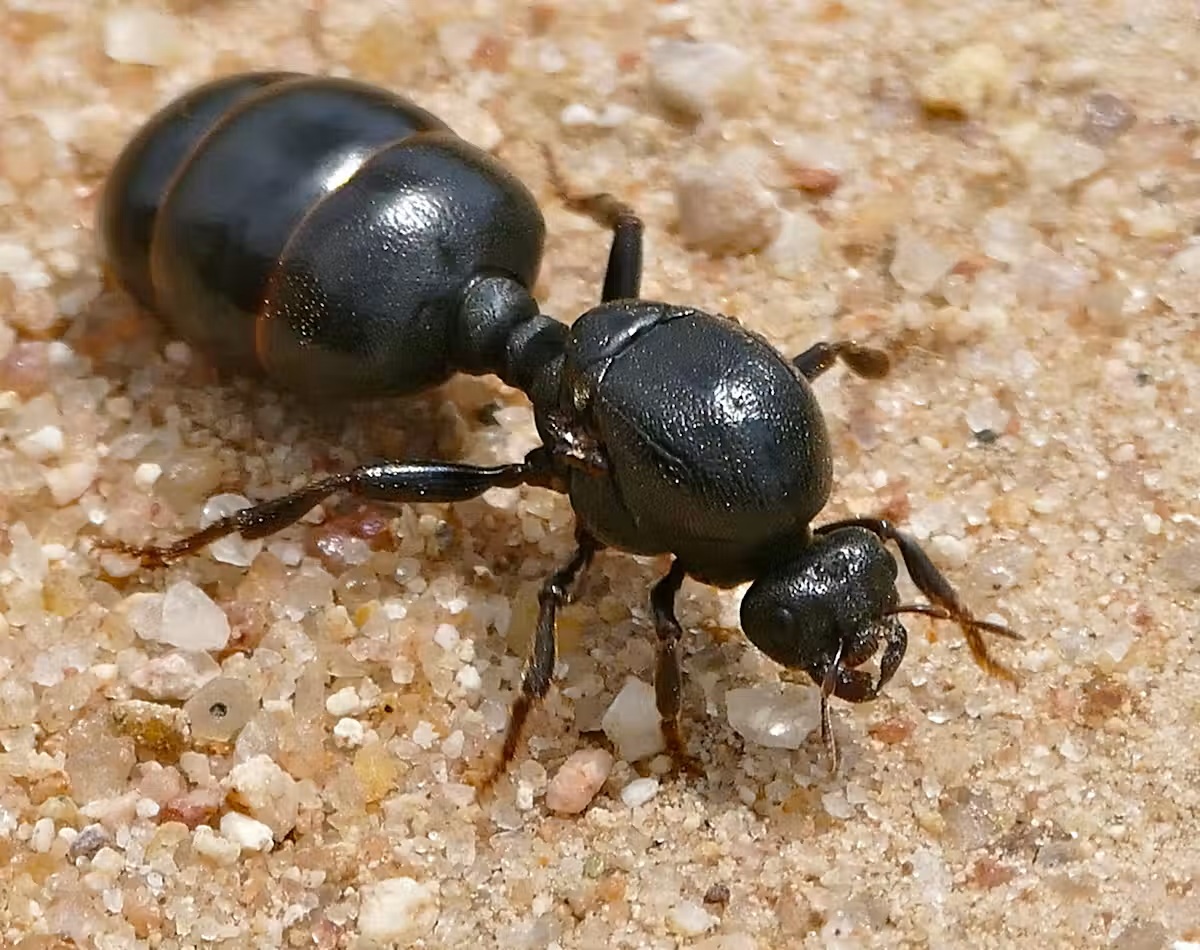
African thief ants can be eaten raw or as a fried snack.
Insect recipes
All over the world, but especially across Africa, including South Africa, insects are regarded as a valuable food source, especially due to significant shortages of food in many countries on the continent. However, it is vital to prepare the insects properly before eating.
Follow these important steps:
- Wash the insects thoroughly.
- Boil, steam or fry them for at least five minutes.
- Eat the prepared insects directly after cooking.
- If not eaten immediately, the insects must be preserved. Either refrigerate or freeze them or sun-dry them for preservation purposes. This way, your snacks and protein sources can last for a few days.
- Some insects, such as grasshoppers and African thief ants, can be eaten raw, but correct identification is essential.
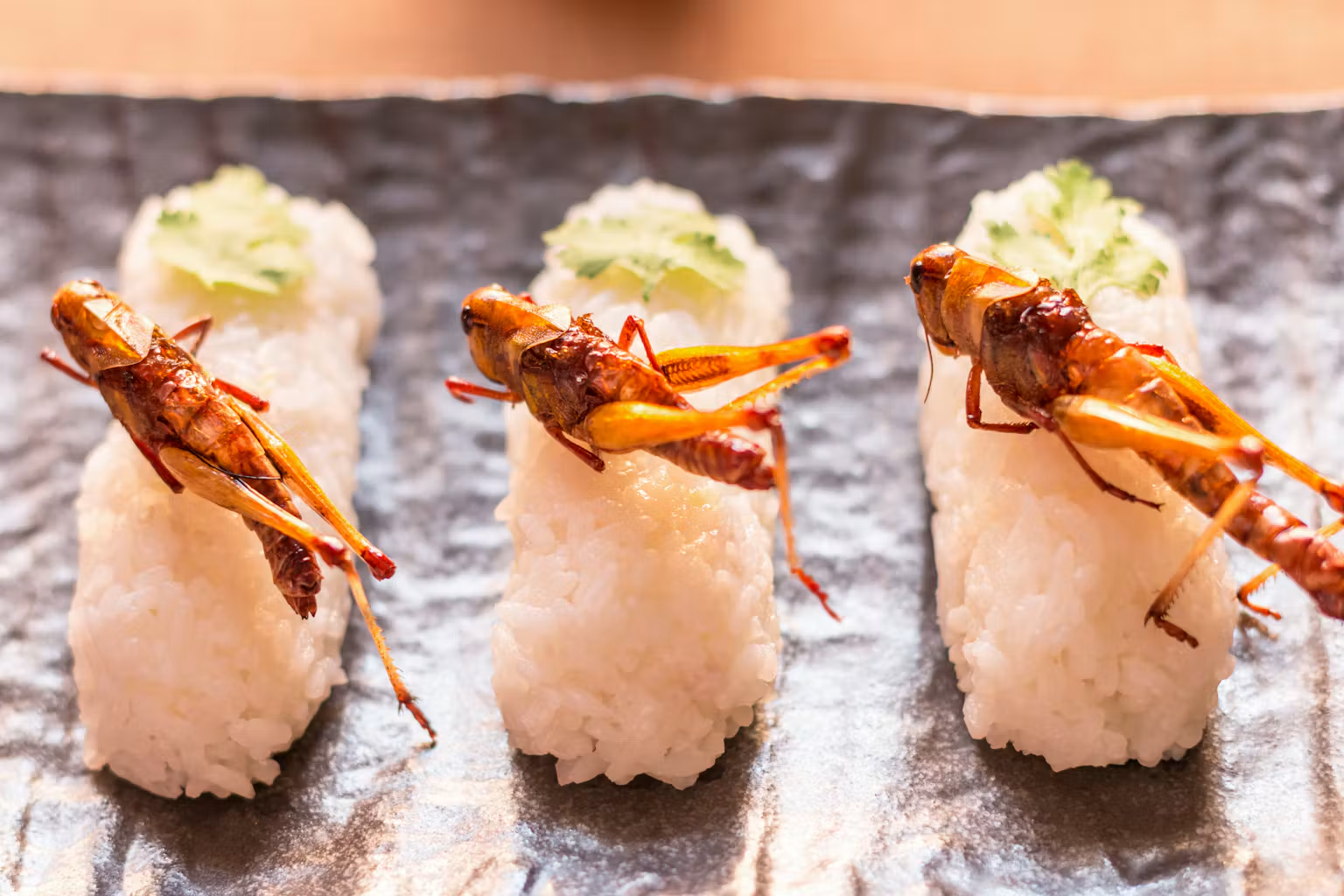
Fried locusts. (Source: Krit of Studio OMG/Getty Images)
Termites (nemeneme)
According to those in the know, termites are one of the tastiest forms of protein on the planet. Apparently, they have a slightly nutty taste and are high in oil content. They are best toasted or lightly fried until they are slightly crisp. Very little or no additional oil is required.
Harvesting
Soldier termites can be coaxed from their tunnels by probing their mounds with long reeds, which they clamp onto. Flying termites are traditionally caught by placing pots of water under lights, which attract them.
They can be preserved by dry frying them in salt until they are crispy. Termites can then be made into a stew with tomato, onion and whatever spices you like.
African thief ants (dinhlamakura)
These huge black ants only appear above ground once a year, just after the first rains, when they leave their nests to mate, reproduce and start new underground colonies.
Also called “big bottom” ants, they are prized for their rich taste. They can be eaten raw – fat abdomens bitten off, discarding the head and legs. But they do very well as a fatty snack, like peanuts. For this, they should be fried lightly with salt.
House cricket (Acheta domesticus)
Grilled house cricket snack
These insects are great with sesame oil. Remove the wings and mix them with a few drops of oil before putting them under an oven grill for about 10 minutes, until they become crispy. Another preparation is to fry the wingless crickets in a few drops of sesame or olive oil for about 10 minutes, until crispy.
House crickets and dates
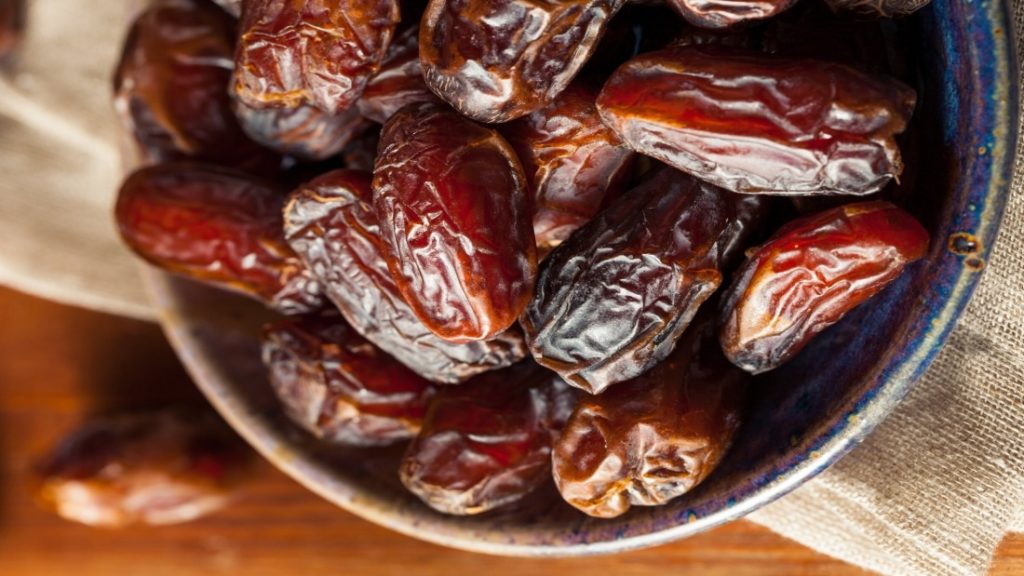
Crickets can also be used as a filling for dates, creating a contrast between the dates’ natural sweetness and the insects’ nutty flavour. Cut the dates open from the side, remove the pit, and fill with fresh or frozen crickets.
Caterpillars (Cirina forda)
The caterpillars can be harvested from Wild Seringa (Burkea africana) trees, which are found across several African countries.
When you get home, rinse the caterpillars thoroughly in fresh water. Next, gently squeeze out their gut contents, as these contain remnants of their food plants, which are indigestible to humans.
Boil the caterpillars in salted water for 30 minutes. Once cooked, spread them out on a tray and leave them in the sun to dry for one to two days, until crisp. Alternatively, they can be cooked over an open fire, which gives them a distinctive, delicious smoky flavour, much like biltong.
They can be enjoyed as a snack or used to prepare a delicious stew. To make the stew, fry the caterpillars in oil with chilli and garlic. Add the tomato, onion and capsicum, then simmer for 15 minutes. Serve with rice or pap.
Long-horned grasshopper (Tettigoniidae)
These grasshoppers have long been part of the traditional food culture of communities in the Lake Victoria region of East Africa. They are usually green or brown in colour and are relatively easy to collect, as they are attracted to light in the evenings.
To prepare them, remove the wings before eating them raw. Alternatively, they can be boiled or fried, depending on your preference.
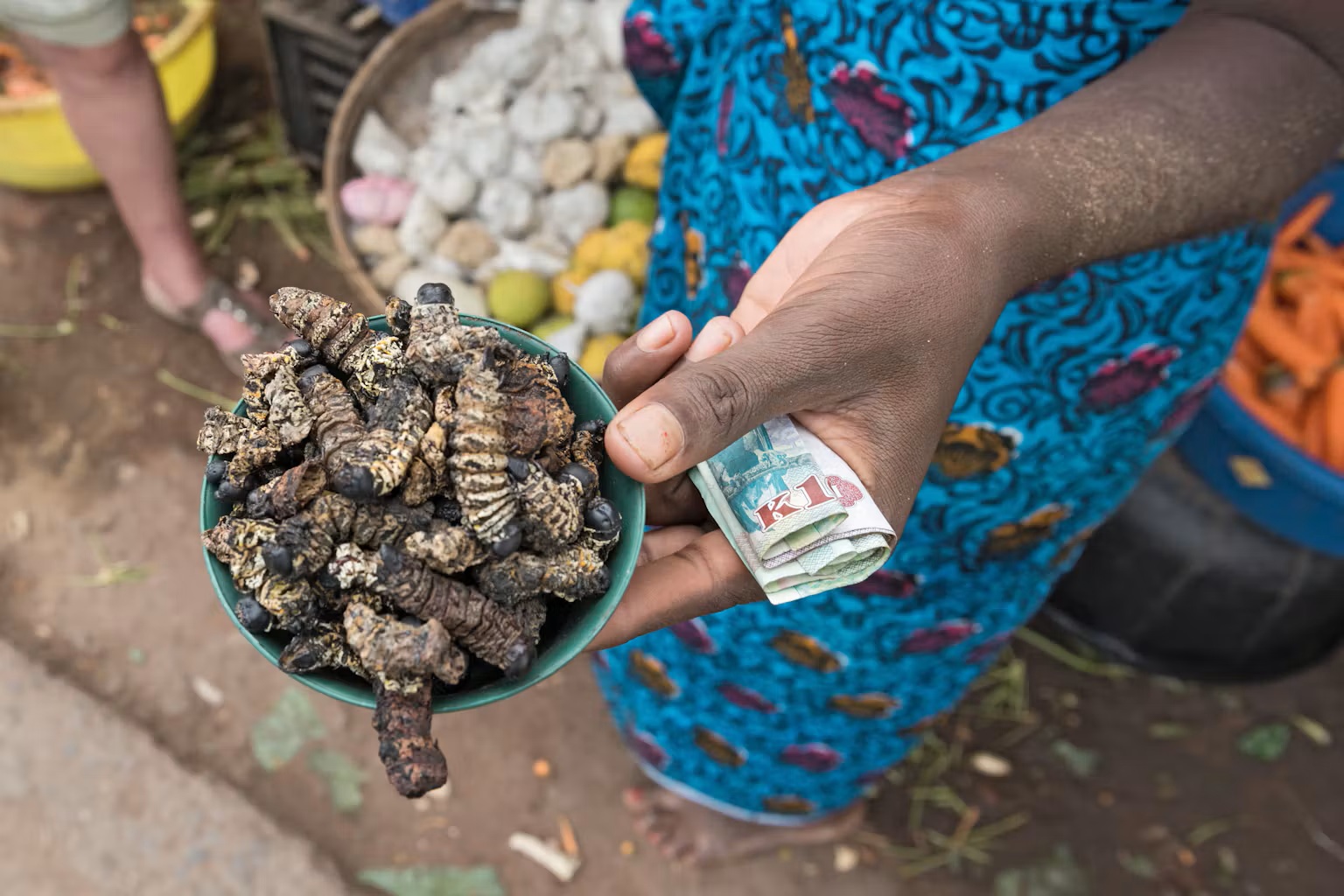
Mopane worms are enjoyed as a delicacy in Africa. (Source: matomani.com)
Mopane worms (Gonimbrasia belina)
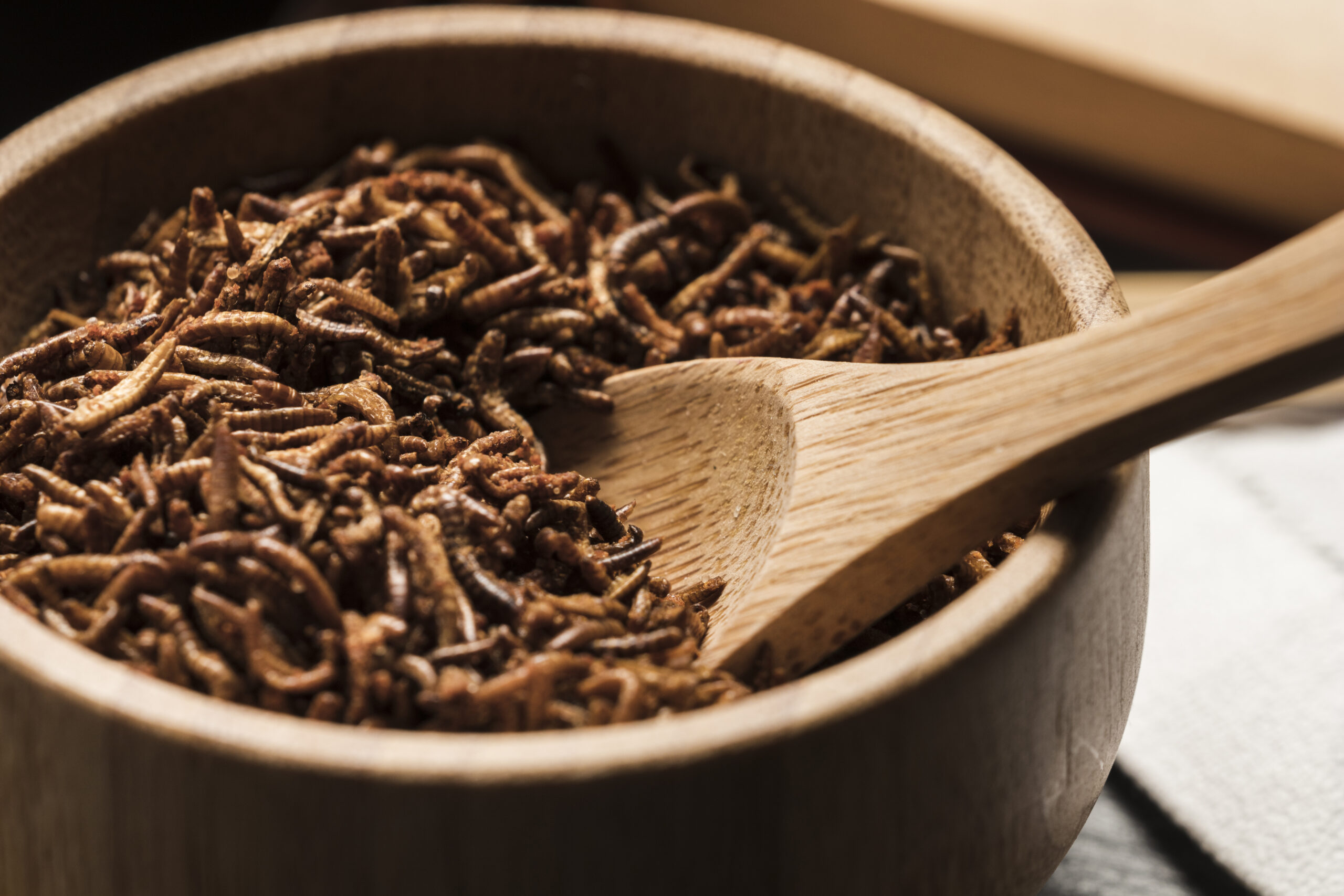
After harvesting the mopane worms, gently squeeze out their gut contents, starting at the head and working towards the tail. Rinse them thoroughly in cold water, then boil for approximately 15 minutes, adding salt to taste. Allow them to cool before spreading them out in the sun to dry for a few days. Alternatively, smoke them until completely dry.
Dried mopane worms can be enjoyed as a snack, either on their own or served with pap. They can also be rehydrated and cooked into a delicious meal.
To prepare them, soak one cup of dried mopane worms in hot water for approximately 30 minutes, then rinse in cold water. Place them in a pot with half a fried onion, two tomatoes, curry powder and green pepper. Add half a cup of water and half a teaspoon of salt, then stir to combine. Bring to a boil and simmer for approximately 20 minutes.
Hormone-free, locally sourced, organic and free-range, edible insects deserve a place on every health-conscious food lover’s menu.

Source: Curated Lifestyle | Unsplash
The prevalence of insects makes them ideal as a food source
Currently, 1 trillion to 1,2 trillion insects are raised on farms annually for food and animal feed.
There are currently between 79 billion and 94 billion insects alive on farms globally on an average day.
While it is unclear what welfare reforms might best improve the lives of insects on farms, it seems possible that standardised training on best practices, and potentially slaughter reform, are promising ways to improve insect welfare on farms.
The industry is rapidly growing. Millions of dollars have been invested in startups that are working to industrialise the industry, especially to produce insect alternatives to animal feed and fishmeal. This also means that the scale could increase by one or more orders of magnitude in the near future.
| Taxonomic group | Slaughtered, sold live or dead (preprocessing annually) | Alive on an average day (mean) |
| Crickets | 370B to 430B | 34 to 41 |
| Mealworms | 290B to 310B | 25 to 31 |
| Black Soldier Flies | 190B to 300B | 8,1 to 16 |
| Other Insects | 120B to 180B | 4,8 to 15 |
| All Insects | 1T to 1,2T | 79 to 94 |
Table 1: Annual worldwide prevalence of edible insects.
Source: Rowe, A. (2020).
*These estimates only include insects whose bodies are eaten in whole or powdered form for food and animal feed.
I want to encourage readers to send their edible insect recipes and photos to martie@proagri.co.za. Your recipe might be featured in either part 2 or part 3 of this article series.