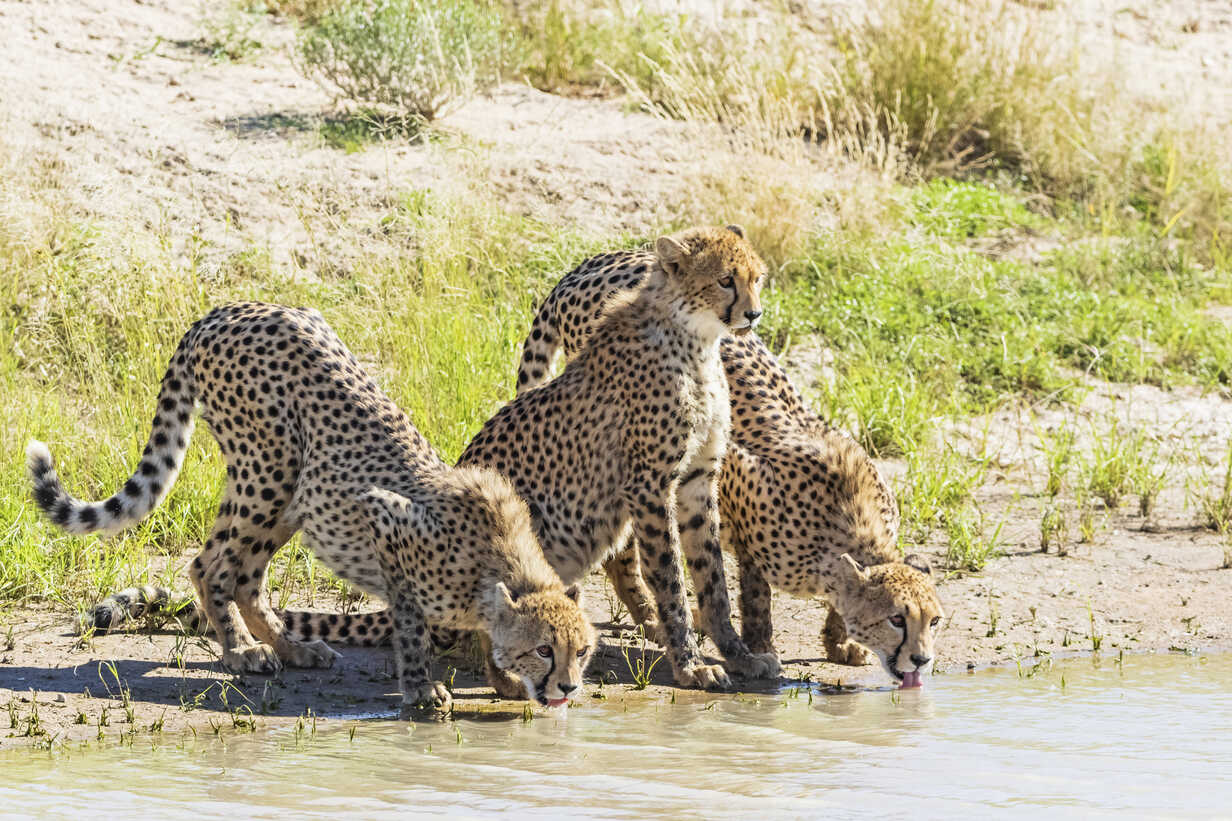
For Cheetah Conservation Botswana (CCB), cheetah conservation begins not within a fenced reserve, but on the farms where people and predators share the same landscape. Botswana is blessed with wide open landscapes that are largely unfenced. This is exactly what cheetahs, an incredibly wideranging species, need to survive both at an individual level and at a population level.
“Cheetahs have incredibly low genetic diversity, so keeping populations connected at a landscape level is critically important for preserving this species at a national and regional scale,” says Jane Horgan, researcher, Farming for Conservation (FFC) supervisor and PhD candidate at CCB. “We need those spaces between protected areas to be able to play host to cheetahs and other wildlife so that the connectivity of these populations can be maintained.”
Because cheetahs generally thrive in areas where lions and spotted hyenas are absent, they are not found in large numbers in protected areas. This is why farmland is so important for cheetah conservation, says Jane. “The regions between protected areas need to provide space where cheetahs and other wildlife can move around and live, so that connectivity between different wildlife populations can be maintained.”
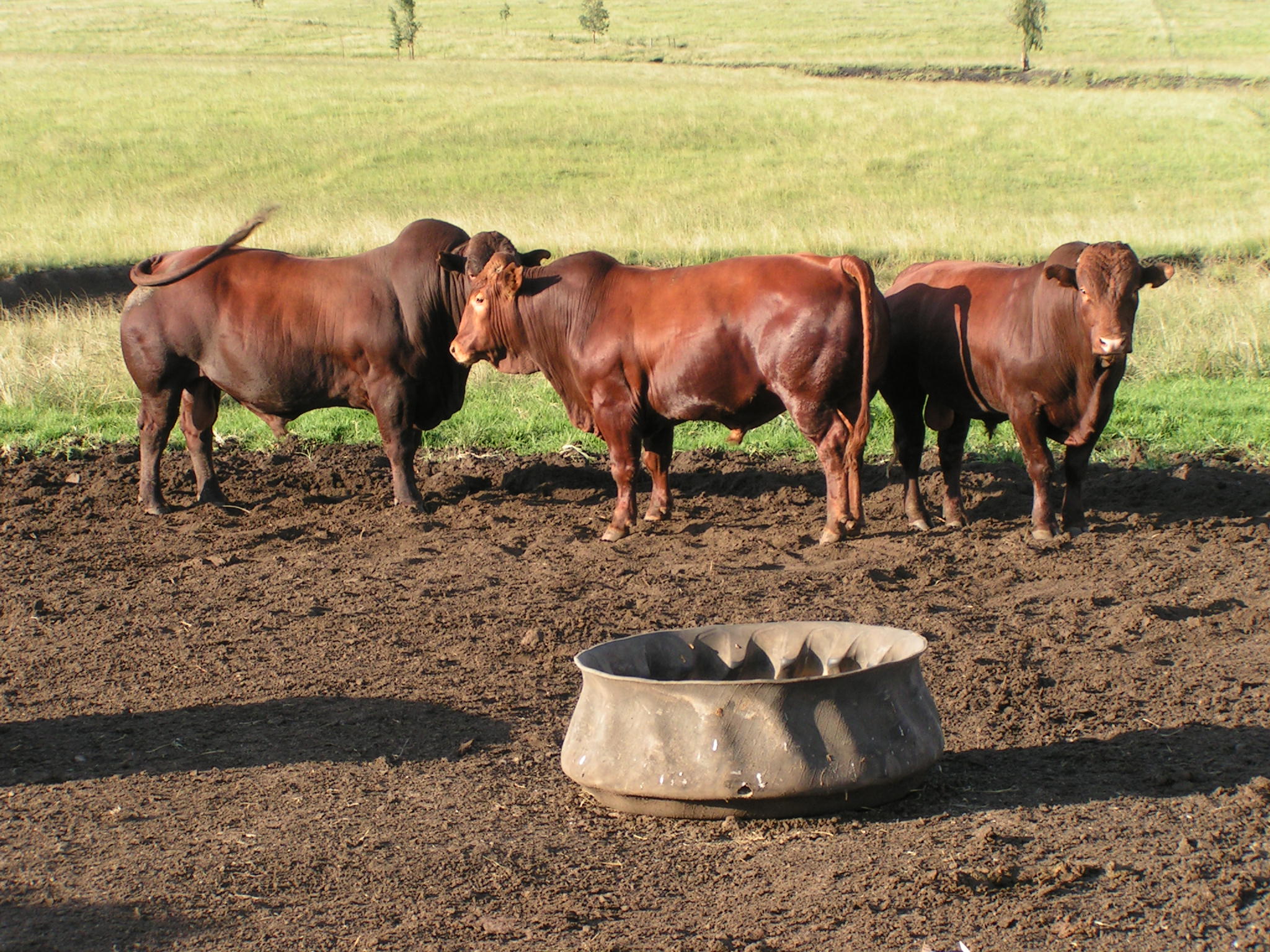
Successful coexistence means that far-ranging species like cheetahs and wild dogs can move through farming areas without farmers losing livestock. This can be achieved by protecting livestock on farms and protecting free-ranging prey species like kudus, steenbok, duiker and others. Where there is plentiful wild Botswana Cheetah Conservation
prey and livestock is protected, carnivores will preferentially feed on the wild prey.
CCB concerned about effect of climate change on conflict between humans and animals
“Conflict with carnivores in Botswana has always spiked in the dry season. This is a combination of a few factors, the most notable being reduced prey numbers and livestock with reduced condition wandering far to get grazing, increasing their vulnerability to predation,” says Jane.
As such, issues like climate change and El Niño are a big concern. The FMD outbreak in Botswana has made matters worse this year. With a potential drought looming and no way to sell excess cattle, farmers will be overstocked leading into a drought, which will exacerbate overgrazing and carnivore conflicts will most likely follow.
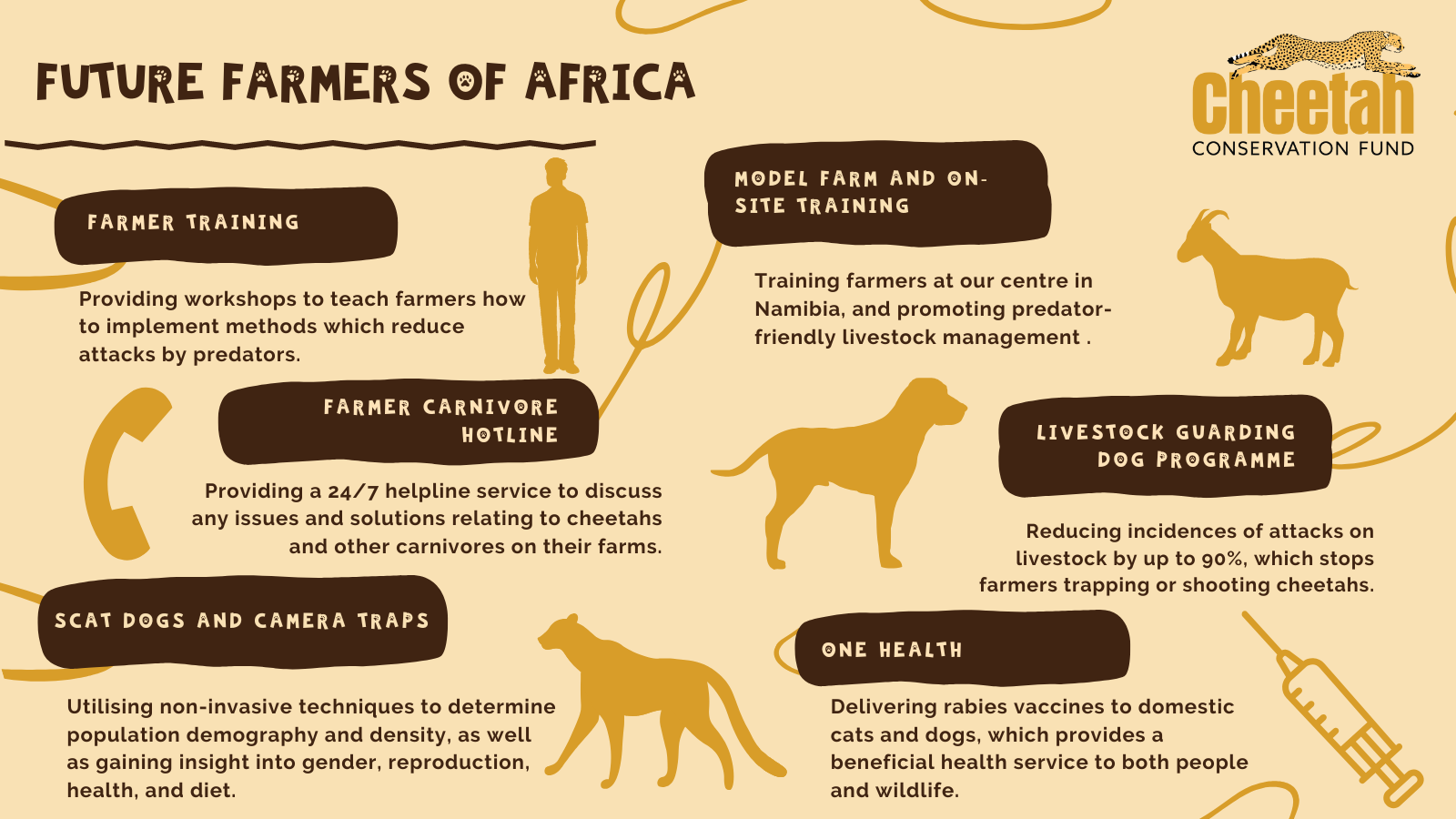
“In the past we have incorporated range management and climate-smart farming principles into our farmer engagements to try and share concepts around how good grazing management can help reduce human-wildlife conflict,” says Jane.
“Most recently, we have been working with farmers to help them weather the storm of extreme climate, helping to teach ways to make cheap and effective supplement feeds for their livestock for bad dry seasons, so that herd health remains high and livestock are less vulnerable during droughts.
“It is important to remember that carnivores are inextricably linked to the ecosystem, which includes wildlife, climate, livestock and people. Considering carnivores when developing management interventions on farms to address climate shocks is important in order to reduce your risk of livestock predation.”
Misconceptions about cheetahs threaten conservation
Most cheetahs do not kill livestock
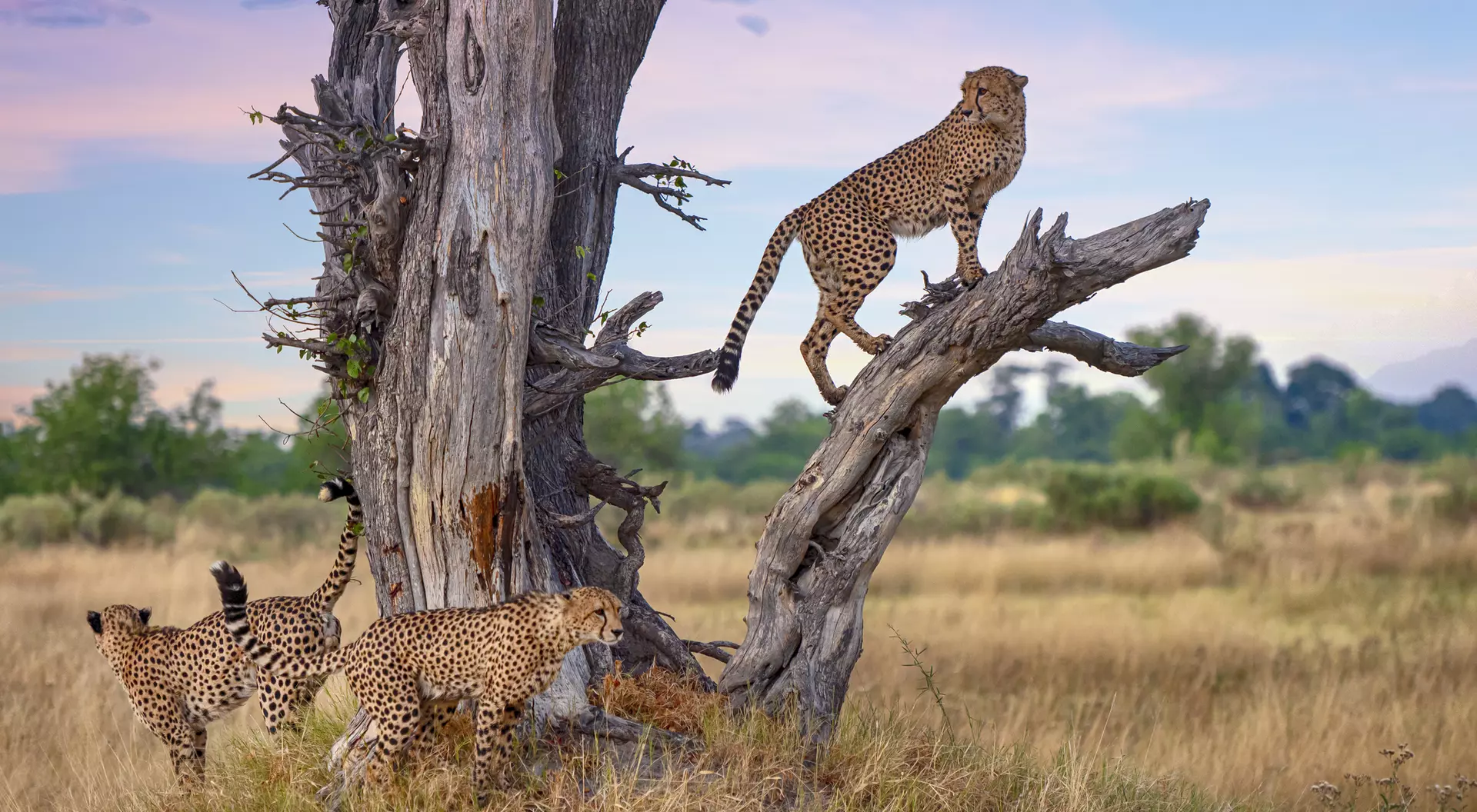
Misconceptions about cheetahs lead to huge challenges in conservation attempts. “I wish farmers realised that cheetahs aren’t such a big threat. Our data from Botswana showed that livestock only makes up 6% of the average cheetah’s diet, which is much less than most farmers would think! The reality is that most cheetahs do not kill livestock, because they are not nocturnal predators. That is why indiscriminate killing of cheetahs is not only a waste of time, it can easily increase conflict between humans and wildlife.
“When a territorial cheetah that does not prey on livestock is killed, its territory may become available to cheetahs that, for one reason or another, are constantly on the move.”
“So instead of one well-behaved cheetah you now have a few unknown transient cheetahs on your farm – and transient cheetahs are more likely to kill livestock,” says Jane. Because cheetahs are wide-roaming, they can move up to 35 km in a day. So if a farmer loses livestock, it is likely not a territorial cheetah but rather a transient cheetah. When a farmer shoots a cheetah two days later, it is likely not even the same cheetah. Your problem cheetah could already be 70 km away.
Farmers do not realise the severity of the declining number of cheetahs
Farmers often think that there are plenty of cheetahs because they see them regularly on their farms. What they do not realise is that although they may be around in fairly good numbers in one particular area, worldwide they are disappearing. “It’s now more important than ever to try and reduce the number of cheetahs being killed through conflict and retaliation, because they are running out of time.
“That’s why our work with farmers to help reduce conflict is so crucial, now more than ever,” says Jane.
For more information and/or enquiries, email info@cheetahconservationbotswana.org or contact Connie Modise, Farming for Conservation Coordinator, at cmodise@cheetahconservationbotswana.org. Follow CCB on Facebook and Instagram.
This is the second part of a three-part series on the essential work carried out by Cheetah Conservation Botswana.