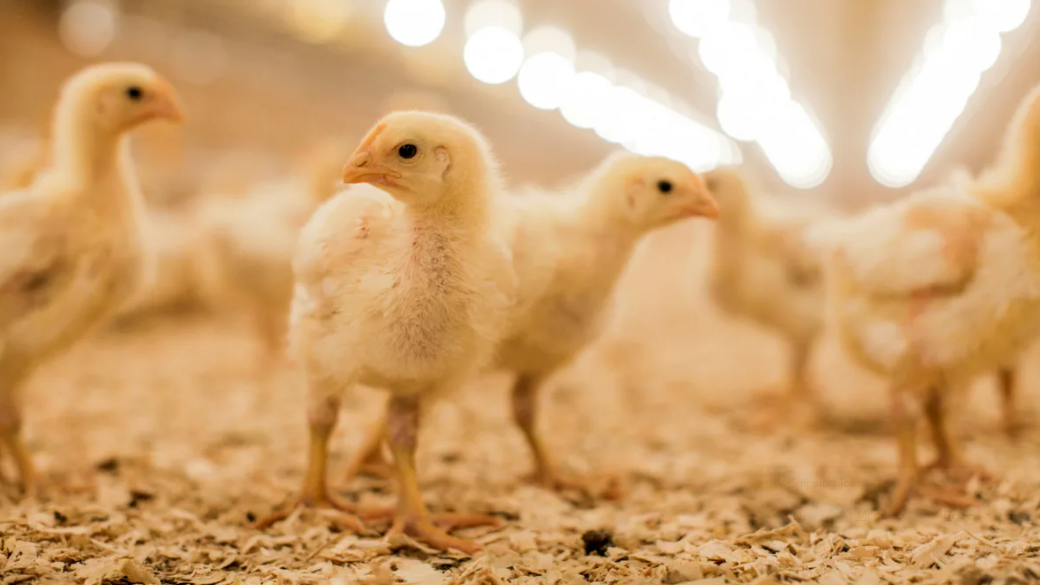
Poor management is a significant cause of early chick mortality. To keep your flock alive and healthy, your management practices should be extremely sound. Chicks reared in poorly managed brooding houses won’t be able to reach their full genetic potential.
The following are some of the management blunders farmers often make:
High brooding temperature
When temperatures in the brooder are too high, the chicks may become dehydrated. This will result in them drinking more water at the expense of eating feed. A reduced feed intake will drastically affect growth and may even lead to death. High temperatures in the brooder will also lead to a pasted vent (i.e., a condition where a baby chick’s droppings get stuck to the downy feathers around its vent (the opening where they poop and lay eggs later in life). If left untreated, this physical blockage can become fatal – usually within 24 to 48 hours if completely sealed.
Low brooding temperature
When temperatures in the brooder drop too low, the chicks get cold. This affects their immune systems, making them vulnerable to diseases. Low temperatures also cause chicks to huddle, and this may cause suffocation and death.
Poisoning
In early chicks, the mortality rate due to poisoning is high. The severity of poisoning, however, depends on the type, dose and duration of exposure. Poisoning mortality could be sudden and dreadful. There are various reasons for poisoning, such as contaminated feed and water as well as chemical poisoning due to the use of disinfectants.
Litter contamination
Another crucial cause of chick mortality is contaminated bedding materials. Some farmers use sawdust for brooding, which could be extremely harmful to chicks. Chicks can easily mistake sawdust for feed and, in the process, consume it in high quantities, which leads to gastrointestinal impaction and ultimately results in death.
Starvation
Starvation is another cause of chick mortality because young chicks do not have fat storage to fulfil their nutritional needs, resulting in death.
Injuries
It is important to handle chicks carefully during practices such as vaccination, grading and transportation from the hatchery to a rearing farm. Improper handling can result in injury and death.
Inadequate feeders and drinkers
Using the wrong feeding and drinking equipment can also cause chick mortality. Inadequate feeders and drinkers affect flocks’ performance. Using unsuitable equipment leads to feed wastage and water spillage results in wet litter, which often causes disease outbreaks. Star-vation due to insufficient feed and water leads to death.
High relative humidity
Damp litter in the brooding house is often caused by high relative humidity. This situation often results in the growth of microorganisms, which can cause disease outbreaks.
Predators
Poorly constructed brooding houses are also a cause of chick mortality. Predators such as rats, dogs and cats can easily enter the brooding house and attack the chicks.
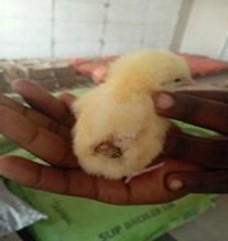
Untreated pasted vents can quickly lead to death among chicks.
Nutritional causes
Water
Water is one of the essential elements for maintaining the health and performance of chicks in the brooding house. It not only acts as a transport medium for nutrients and metabolic end products but also helps to maintain body temperature during hot weather. Additionally, water is crucial to balance minor mineral deficiencies, such as sodium (Na), calcium (Ca) and potassium (K). Unhygienic water results in high mortality rates among chicks.
Fat-soluble vitamin deficiency
Vitamins A, D, E and K are fat-soluble. These vitamins are required for normal growth, development and reproduction of chicks. A high deficiency of fat-soluble vitamins can cause death. In comparison, a minor deficiency of these vitamins results in, for example, cessation of growth, lacrimation, rickets, ruffled feathers, exudative diathesis and anaemia.
Water-soluble vitamin deficiency
Vitamin C and B-complex vitamins are water-soluble. Water-soluble vitamins are an essential part of poultry diets. They are essential for the metabolism, reproduction, growth and development of chicks. A severe deficiency of these
vitamins can cause death; however, a minor deficiency leads to, for example, poor feathering, low growth, weight
loss, dermatitis, nervous signs and anaemia in chicks.
Tiger Animal Feeds produces broiler feeds for all stages of growth. The feed is a balanced, comprehensive ration packed with all the nutrients, vitamins and minerals a bird requires to thrive. Use the starter crumble for chicks that are between 1 and 14 days old. The grower and finisher, available in easily digestible short pellets, speeds up growth and ensures high productivity and excellent performance.
Our expert technical department is always available, offering free technical support regarding all aspects of livestock production, including different species. Their goal is to ensure that you succeed in your business.
In next month’s edition, we will look at diseases and various ways to reduce early chick mortality.