Early chick mortality can have a significant impact on the profitability and long-term success of any poultry enterprise.
While good nutrition, proper brooding and effective biosecurity help reduce losses, disease outbreaks can still occur and spread rapidly among young chicks if not managed correctly. In this third instalment of our series on early chick mortality, we explore how to recognise the signs of disease, respond quickly to an outbreak and implement effective management practices to minimise losses and protect the health of the flock.
Diseases
Young chicks are susceptible to infections and diseases due to a lack of immunity during the first few weeks of life. It is crucial to maintain biosecurity measures; failure to do so increases the chances of a disease outbreak. Diseases such as Pullorum (bacillary white diarrhoea), chicken anemia virus (CAV) and Salmonellosis (mild to severe acute gastroenteritis) are deadly to chickens. If these diseases enter the flock, they may cause high mortality and huge losses for the farmer.
Ways to reduce early chick mortality
Taking appropriate action when experiencing high chick mortality on your farm is imperative as failure to do so can cost you your entire flock.
Follow these steps to reduce chick mortality on your poultry farm:
1. Only buy chicks from trusted suppliers
A good flock starts with a quality chick. Make sure you source chicks from a renowned supplier. Most of the health problems affecting birds can be traced to poor genetics, and this begins with the health conditions of the parent stock.
2. Inspect the health status of the chicks
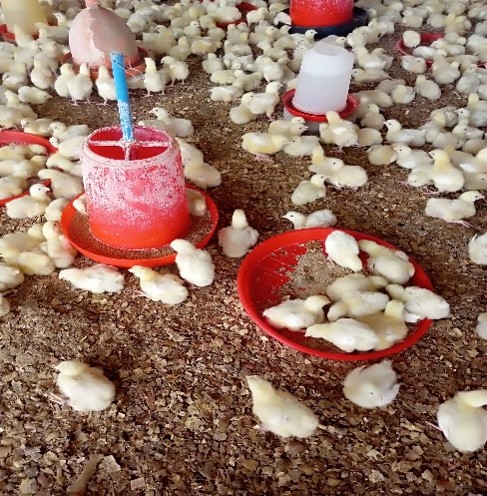
Healthy chicks are bright, active and vocal with clear eyes, fluffy feathers and strong legs. They are curious, eager to eat and drink and show no signs of deformity or laboured breathing. Regardless how reliable your supplier is, it is always advised to inspect the health status of each bird before you transport them to your farm.
3. Provide the flock with adequate brooding temperatures
High and low brooding temperatures lead to high chick mortality. Hence, it is essential to provide your flock with proper brooding temperatures. Failure to do so can wreak havoc on your poultry farm.
4. Protect your flock from cold weather
Avoid drafts entirely. Chicks should not be exposed to cold winds blowing into the house through openings, causing them to get chilled. Open curtains from top to bottom and not from bottom to top. Consider designing the pen in such a way that your birds are not exposed to extremely cold conditions.
5. Keep drinkers and feeders clean
Cleanliness is one way of keeping your flock healthy. Keep your birds’ feeders and drinkers clean at all times. Make sure you clean them every morning and discard any leftover water and feed.
6. Minimise chicks’ risk of suffocating
The best way to protect your birds from suffocation is to centralise the pen’s heat source. If the heat source is in the centre of the pen, you can protect your birds from huddling. Always avoid sudden loud noises in the vicinity of your birds. Birds panic when they hear a sudden loud noise, which results in them flocking together and suffocating. Keep predators away from your farm. Birds get scared when they see predators, which leads to a panic-induced gathering that results in suffocation.
7. Prevent infections and diseases on your farm
Certain diseases can be so infectious that they can wipe out your entire flock in one go. While some diseases may not be fatal, they may reduce the growth rate of the birds by affecting the feed conversion ratio. It is crucial to check the health of your flock regularly. If you detect any disease symptoms in a bird, immediately separate it from the flock and contact your local vet to avoid further contamination of your poultry.
8. Do not give your birds mouldy feeds
Mouldy feeds can be dangerous and poisonous to your flock and should be avoided at all costs. The best way to avoid mouldy feeds on your farm is to keep them away from water. Additionally, do not store the feed in poorly ventilated, high-humidity storage rooms. It is vital not to keep feeds past their expiry dates.
9. Protect your farm from predators
Close all the holes around the farm and keep monitoring your property for signs of predators. Install strong iron mesh nets around the pens and apply predator repellents regularly.
10. Regularly clean dirty poultry pens
Remove all wet or caked litter from pens to prevent ammonia buildup. Ammonia gas can be hazardous to your birds. It leads to severe problems, such as stress, inadequate feed intake, irritation of the eyes and nasal membrane, a slow growth rate and respiratory diseases, among others coryza (inflammation of the mucous membrane lining the nasal passage) and bronchitis.
11. Supply sufficient feed
Improper or insufficient feed can lead to poor growth and slower development of your birds. When underfed, birds struggle with low body weights and poor immune responses, and as a result, they are prone to falling ill. However, overfeeding can also lead to significant problems. Therefore, it is vital to provide your flock with enough feed.
12. Strictly follow medication and vaccination schedules
Following medication and vaccination practices can help farm owners considerably. When you follow medication and vaccination schedules strictly, you can keep endemic disease outbreaks at bay. Ensure that you vaccinate your birds against contagious diseases such as Newcastle disease (ND) and Gumboro disease. Talk to your vet and obtain the right vaccination and medication schedule for the poultry species you are raising.
13. Arrange regular vet checks
Your local vet should regularly check your flock to ensure that they show no symptoms of contagious diseases. Remove all recovered birds from the flock, as these birds are a reservoir of infection. This way, you can keep your other birds safe and healthy.
In conclusion, we can safely say that healthy chicks grow into excellent quality chickens that sell well at the market and earn you lots of money. Do not compromise. Do the right thing by taking the correct measures to get the best results from your birds.
Use Tiger chicks and Tiger feed products and see your business grow!
For more information, contact Barbara Mulonda Simbaya, Technical Advisor at Tiger Animal Feeds by sending an e-mail to barbara.mulonda@tigerfeeds.zm or calling (+260)969-202-207.