Leading food importing company calls for the urgent finalisation of a regionalisation framework with Brazil to safeguard affordable protein supply as food prices rise.
Merlog Foods, one of South Africa’s largest meat importers, calls on the Department of Agriculture to urgently conclude the necessary regionalisation agreements with Brazil that it already committed to last year. This will ensure an uninterrupted supply of chicken imports into the country in the future.
South Africa is facing a food security crisis due to significant red meat price increases and impending food price rises linked to petrol and diesel cost hikes. The outbreak of Foot and Mouth Disease has led to widespread cattle slaughter, causing red meat prices to soar and making protein increasingly a luxury item for millions of low-income households. Compounding this, rising fertiliser costs driven by ongoing conflict in the Middle East will feed through to grain and animal feed prices, with inevitable knock-on effects across the entire food supply chain, from vegetables to meat.
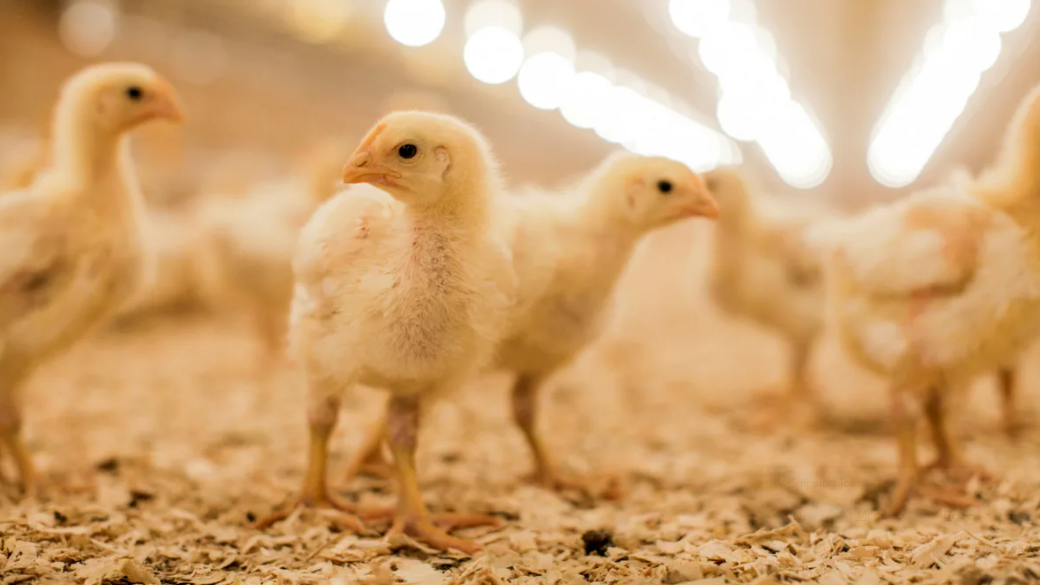
The adoption of a formal programme of regionalisation with Brazil would allow chicken imports from disease-free regions in the event of a Highly Pathogenic Avian Influenza (HPAI) outbreak, blocking only imports from affected provinces. Bird flu or HPAI is known to circulate amongst wild bird populations, and isolated cases are inevitable, as recent cases in Argentina have shown.
“It is in this context that proactively protecting the supply of affordable imported chicken is a food security imperative,” said Merlog Foods manager Georg Southey. “The Department of Agriculture therefore must conclude a regionalisation agreement with Brazil now, not after the next bird flu crisis has already begun.”
The Case for Regionalisation with Brazil
In 2025, a single confirmed case of bird flu in one Brazilian state led to a four-month ban on all Brazilian chicken imports into South Africa, including Mechanically Deboned Meat (MDM), the key ingredient in vienna sausages and polony. The consequences for consumers were immediate and severe: without sufficient MDM supply, polony and vienna prices rose sharply, leaving low-income households unable to afford protein.
MDM-derived products currently contribute to approximately 100 million meals per week in South Africa. Any disruption to this supply has an outsized impact on food security at the household level.
Southey, who last year commended the Minister of Agriculture, John Steenhuisen, for his leadership during the Brazilian avian influenza market disruptions, has recently written to the Minister urging action to ensure that an agreement on a regionalisation protocol with Brazil is reached by the necessary departmental officials.
The letter states:
“Imports already account for approximately 10% of national meat consumption and are essential in maintaining supply stability and affordability…. If we are to protect food security and ensure continued access to affordable protein, HPAI regionalisation protocols with Brazil and other key suppliers should be strengthened. Any disruption therefore has direct substitution and affordability consequences.”
A Call to Act Before the Next Crisis
The Department of Agriculture previously committed to beginning a process of regionalisation talks with Brazil, but progress has stalled. Merlog Foods warns that South Africa cannot afford to wait for another bird flu outbreak before putting the necessary frameworks in place.
“We cannot only respond to the crisis at hand, but we must prevent the next one,” Southey said. “With meat prices continuing to rise and broader food price inflation on the horizon, the time to act is now. South Africans deserve a government that gets ahead of these challenges, not one that scrambles to catch up.”
It was agreed that a South African team of scientists would meet with their Brazilian counterparts in the week of March 23, 2026, to discuss Foot and Mouth Disease and avian influenza-related issues. It is understood that this meeting has been postponed to early April. This upcoming meeting will be an opportune moment to finalise a regionalisation agreement. This technical meeting is, in part, a result of Steenhuisen’s efforts and was cemented after President Cyril Ramaphosa met with Brazilian President Luiz Lula da Silva in Brazil in March.