Growers of berries, cherries, pomegranates, figs, and nuts have long faced a frustrating gap in the market. Most pest control products are developed with major row crops in mind, leaving minor crop farmers to make do with solutions that were never quite designed for their needs.
Kannar Earth Science has set out to close that gap with two complementary formulations, Kangroshield 100 and Pygar 932, both formulated with a combination of canola oil, garlic juice extract, and natural pyrethrum.
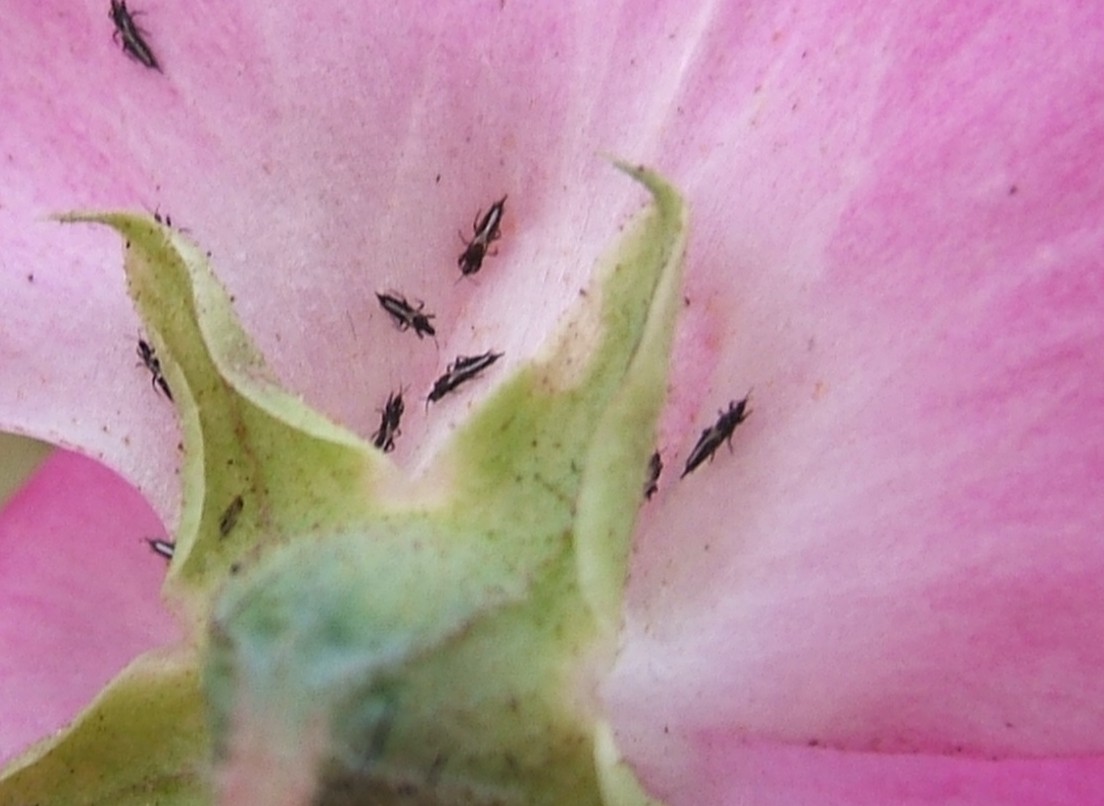
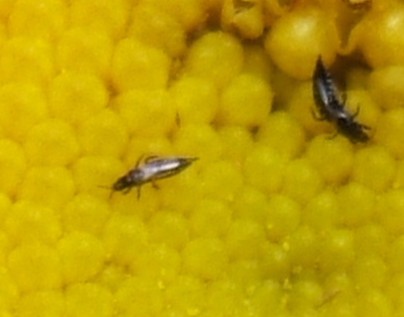
The pest list these products control is impressive: aphids, thrips, red spider mite, whitefly, African bollworm, Astylus beetle, CMR beetle, and ants, across a wide range of fruit tree and vegetable crops. Pyrethrum’s broad spectrum insect control due to rapid nerve action is well established. Pairing it with canola oil and garlic extract adds suffocating and repelling actions to provide 3 separate modes of action in each certified organic label.
Pygar 932 has a much higher canola oil content, thus smothering / suffocating are its primary mode of action, with garlic’s repellency and Pyrethrum’s nerve action providing secondary modes. Pygar 932 is an excellent choice for controlling small-bodied insects and red spider mites, smothering breathing pores and immobilizing limbs and wings. Care should be taken on plants where oil build up might cause an issue, for example delicate flowers or berry blooms.
Kangroshield 100 is packed with 5 times more Pyrethrum (than Pygar 932), meaning its primary mode is a potent nerve action for quick knockdown on small and large bodied pests. Garlic extract repels and disorientates while the much lower canola levels act as spreader on foliage and insect bodies. Kangroshield 100’s lower dose rate combined with its lower oil content make it ideal for foliage, flowers and fruit that cannot tolerate oil deposits (blueberries with their characteristic white bloom are a good example). The lower dose rate also makes Kangroshield 100 a more economical application in most instances and the product presents minimal risk of oil build up where multiple applications are required.

Withholding periods across Kannar’s biological range range from zero to forty eight hours (i.e. the gap growers must allow between a final application and harvest on edible crops). Pygar 932 is rated at 24hrs, Kangroshield 100 at 48hrs. Growers who observe these periods should expect no trace of garlic, in smell or taste, on the harvested fruit. Kannar Earth Science has run repeated trials across several berry crops, strawberry included, to confirm that no garlic flavoured fruit ever reaches retail shelves.
Both products work strictly on contact with no residual or secondary activity on non-target insects or predators after being applied. Pest infestations, whether thrip, whitefly, red spider mite, or aphid, typically require two to three treatments within ten days to bring numbers down to near zero. From there, intervals can stretch out to between fourteen and twenty eight days, depending on how favourable conditions remain for the pest.
For growers needing to spray often and/or at short intervals, Kangroshield 100 is the most common recommendation as it carries less risk of oil buildup and a lower applied cost. Pygar 932 shows its value where its heavier canola oil content, applied at higher rates, behaves much like a traditional mineral oil and helps control overwintering eggs and a range of insect species. It can be used year round without harming plant growth when applied according to label instructions. However growers should stay mindful of situations where visible oil deposits on fruit are unwelcome. Where a smothering mode of action is called for, Pygar 932 delivers.
Together, the two formulations give growers a genuine choice rather than a compromise, matching the product to the crop, the growth stage, and the pest pressure at hand.