Why protecting beneficial soil bacteria is one of agriculture’s greatest investments
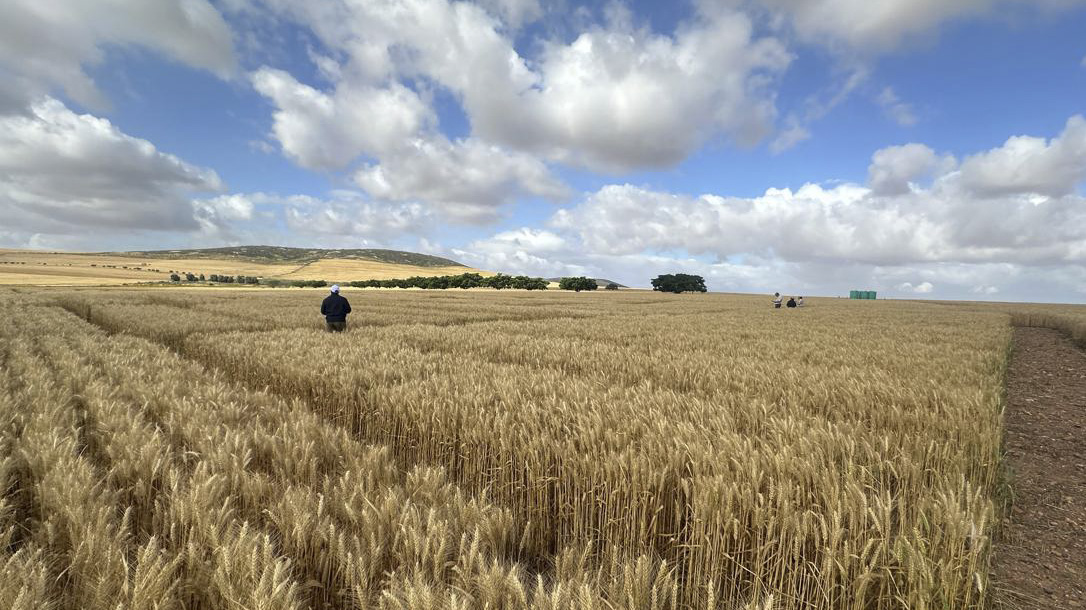
For generations, farmers have understood that healthy soil produces healthy crops. Today, science is confirming what experienced producers have long observed in the field: beneath every successful crop lies a thriving community of microscopic organisms working tirelessly to support plant growth. Although invisible to the naked eye, billions of bacteria, fungi and other microorganisms inhabit every handful of productive soil. Together they form a thriving, living ecosystem that drives nutrient cycling, improves soil structure, suppresses disease and ultimately contributes to much higher yields. Unfortunately, these extremely valuable organisms are often overlooked.
More than just dirt
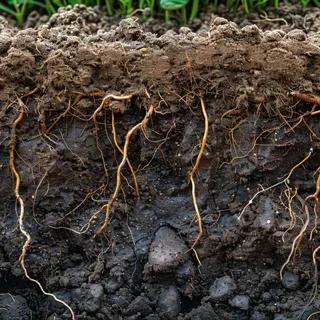
Soil is far more than a medium that anchors plant roots. It is a living environment where countless organisms interact continuously. Beneficial bacteria perform numerous essential functions. Some break down organic matter, releasing nutrients that become available to crops. Others convert atmospheric nitrogen into forms that plants can absorb, reducing the need for synthetic fertilisers. Certain bacteria even stimulate root development and produce natural compounds that help plants tolerate drought, salinity and other environ mental stresses. These beneficial organisms are commonly referred to as plant growth promoting bacteria because of the direct role that they play in improving plant performance.

Nature’s underground workforce
Beneficial soil microbes operate around the clock. As crop residues decompose, bacteria recycle valuable nutrients back into the soil. Other microorganisms produce substances that bind soil particles together, improving soil structure, water infiltration and resistance to erosion. Healthy microbial populations also compete with harmful organisms, helping to suppress soil-borne diseases before they become serious problems. This natural balance is one of agriculture’s most valuable assets.
The cost of disturbing soil life
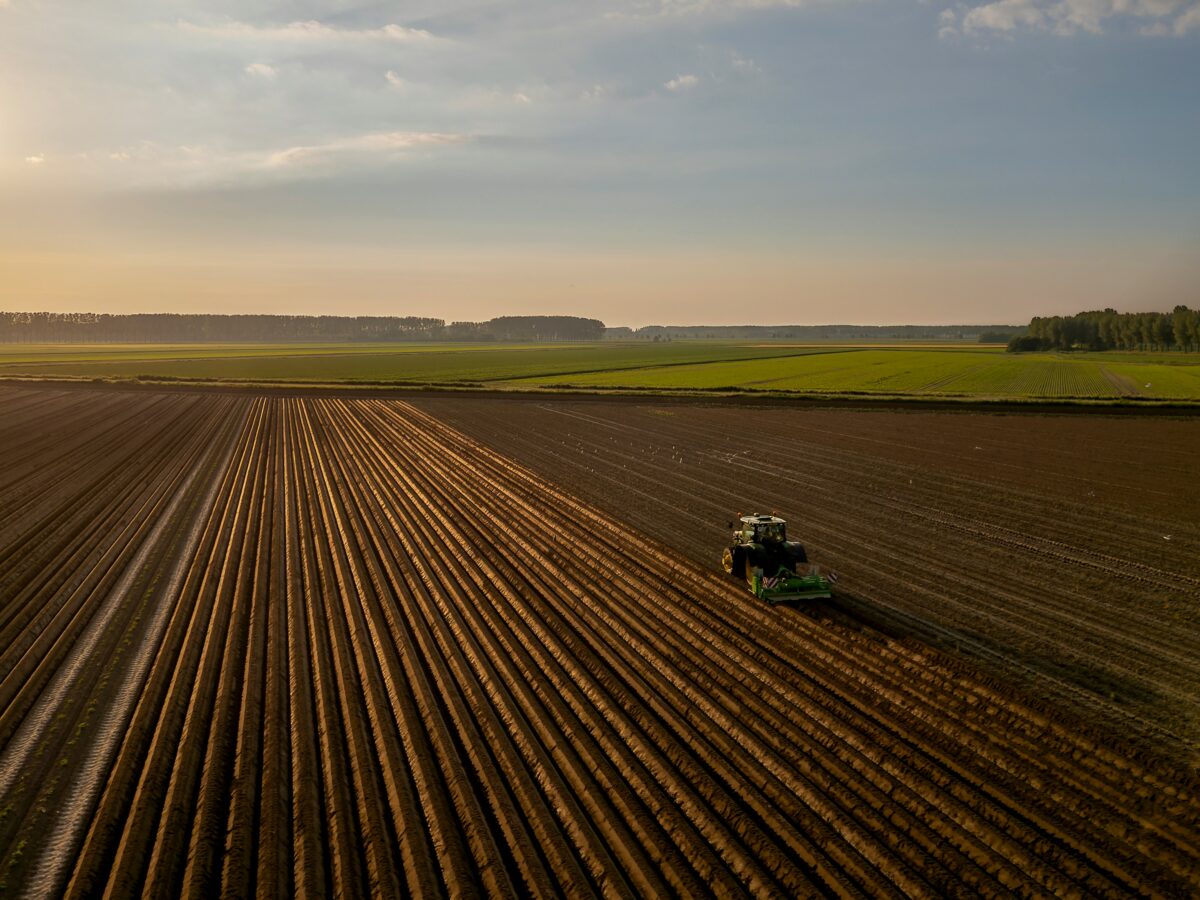
Modern agriculture faces increasing pressure to produce more food from limited land while protecting natural resources. However, intensive cultivation, soil compaction, pollution, excessive chemical use and the loss of organic matter can significantly reduce microbial diversity. When beneficial microbes decline, soils become less resilient. Nutrient cycling slows, water retention decreases and crops become more vulnerable to disease and environmental stress. Restoring damaged soil biology often takes years, making prevention far more effective than rehabilitation.
Every organism has a purpose
Not all bacteria are beneficial. Some species cause diseases in plants, animals and humans. Yet researchers continue to emphasise that the beneficial organisms in healthy soils vastly outnumber harmful ones. Maintaining this balance is essential for productive farming systems. The same soil that supports bacteria, also provides habitat for fungi, earth worms, nematodes, insects and countless other organisms that contribute to a functioning ecosystem. Healthy soils depend on healthy biodiversity.

Farming with biology Across South Africa and Africa, more producers are adopting practices that protect soil biology. These include reducing unnecessary soil disturbance, maintaining crop residues, planting cover crops, incorporating compost and organic amendments, and applying biological products where appropriate. Such practices help rebuild microbial populations while improving soil health over the long term.
Investing below the surface Soil is one of agriculture’s greatest natural resources, yet its most valuable workers remain largely unseen. Every decision made in the field affects the living community beneath the surface. By protecting beneficial soil micro organisms, farmers are not only investing in healthier crops today but also preserving productive land for future generations. Healthy soils are living soils and living soils are the foundation of sustainable agriculture.