Namibia has recorded a remarkable decline in food insecurity, with the number of citizens facing acute food shortages dropping from 1,15 million in 2024 to approximately 456 000 in 2025, according to the latest the latest Integrated Food Security Phase Classification (IPC) Acute Food Insecurity Analysis covering July 2024 to June 2025.
The report provides a detailed assessment of the country’s food security landscape, highlighting vulnerable populations and regions still requiring targeted assistance.
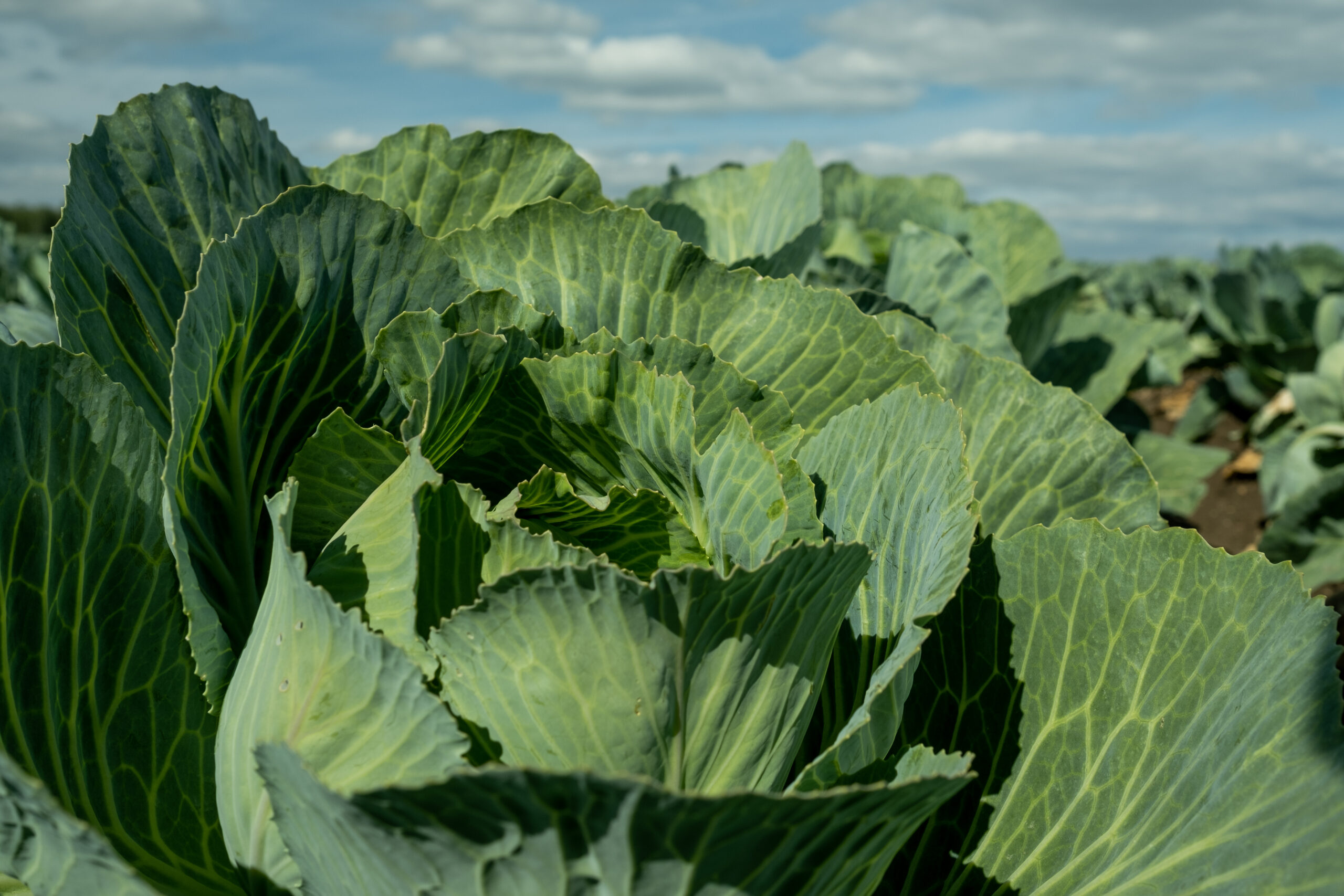
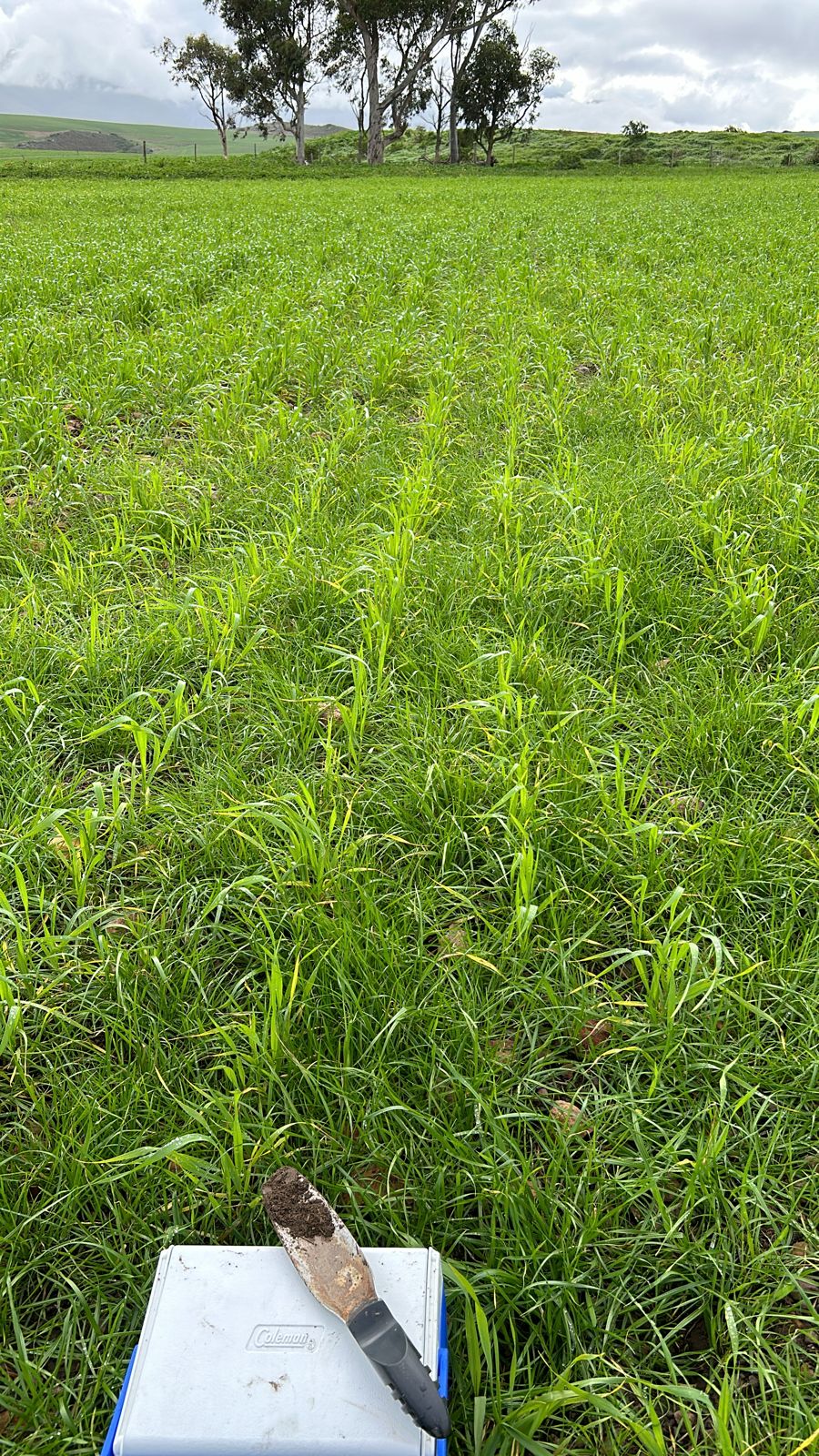
This significant improvement is attributed mainly to above-average rainfall that enhanced crop production, replenished water sources and improved grazing conditions for livestock across most regions. As a result, the majority of households now have sufficient food stocks expected to last until December 2025.
“Namibia’s food security situation has improved significantly in 2025 compared to the previous year,” the IPC stated. “About 456 000 people, or 15 percent of the analysed population, are still facing high levels of acute food insecurity (IPC Phase 3 or above).”
Despite this progress, the regions of Kunene, Kavango West and Zambezi remain in the Crisis phase (IPC Phase 3), where families continue to struggle to meet daily food needs. The remainder of the country is classified under the Stressed phase (IPC Phase 2), meaning households can access basic food but often sacrifice non-food essentials or resort to coping strategies, such as selling assets or skipping meals.
Agricultural gains underpin recovery
The Ministry of Agriculture, Fisheries, Water and Land Reform’s July 2025 Crops, Livestock and Food Security Report confirms these gains.
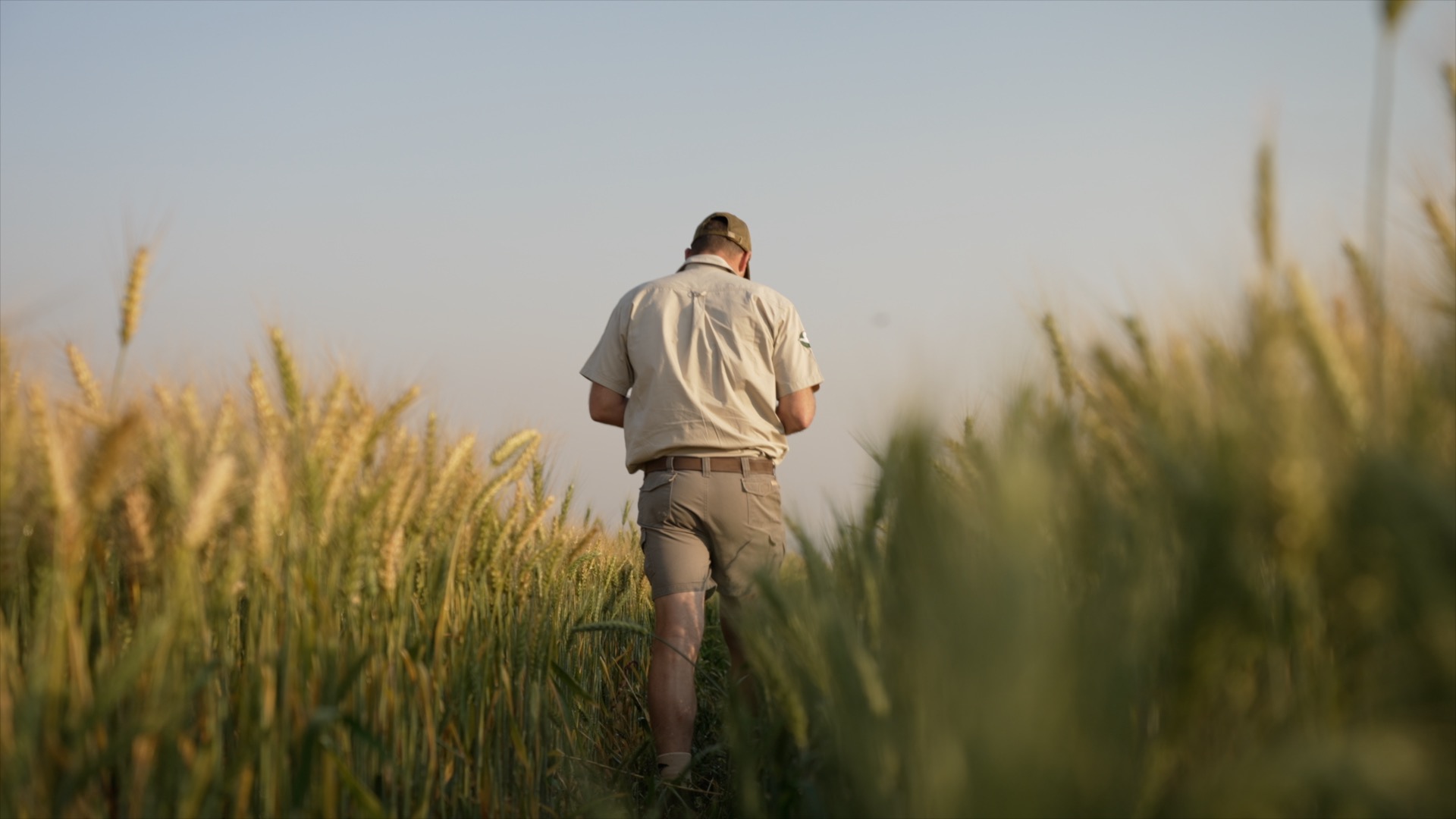
National crop production improved substantially, particularly in communal areas where yields rose by 75% compared to the previous year. Abundant rainfall restored grazing lands and improved water availability, with most dams reported to be more than 85% full and groundwater sources replenished.
Healthy pastures have supported livestock recovery and reduced dependence on food aid. However, the National Strategic Food Reserves (NSFRs) remain critically low, holding only 3 505 metric tonnes of grain or just 15% of total storage capacity, highlighting limited emergency stocks should another drought occur.
Outlook and emerging risks
While the country’s food situation is currently stable, the IPC warns of a potential deterioration during the upcoming lean season (October 2025 to March 2026). The number of people in Phase 3 (Crisis) is projected to rise to around 612 000 (20% of the population). This expected setback is linked to the termination of the national drought-relief programme in August 2025, rising unemployment, and limited income-earning opportunities, especially in rural areas.
Namibia’s unemployment rate stands at 36,9%, and in some regions it exceeds 50%. Many households, particularly those headed by women, youths, or marginalised groups, rely on pensions, small-scale farming, or informal work, leaving them vulnerable to food price increases and market shocks.
The situation is predicted to improve again between April and June 2026, when households begin consuming their new harvests. The number of people in Phase 3 is expected to decline to 408 000 (13%), with 13 regions projected to shift back to the Stressed phase. However, Kunene remains a concern due to recurring drought, veld fires, flood damage and chronic poverty.
Key drivers of food insecurity
Climate shocks continue to threaten progress. Although rainfall was above average in 2024/25, several regions, namely Ohangwena, Oshana, Oshikoto, Omusati, Hardap, Kunene and Khomas, experienced flooding, waterlogging, and outbreaks of crop pests and livestock diseases. These events damaged homes and infrastructure, displaced families, and disrupted access to markets and services.
High food prices remain another critical factor. Annual food inflation reached 6,4% in June 2025, driven by price increases in fruits, meat, oils and grains. For low-income households that spend most of their income on food, this has intensified financial stress and vulnerability.

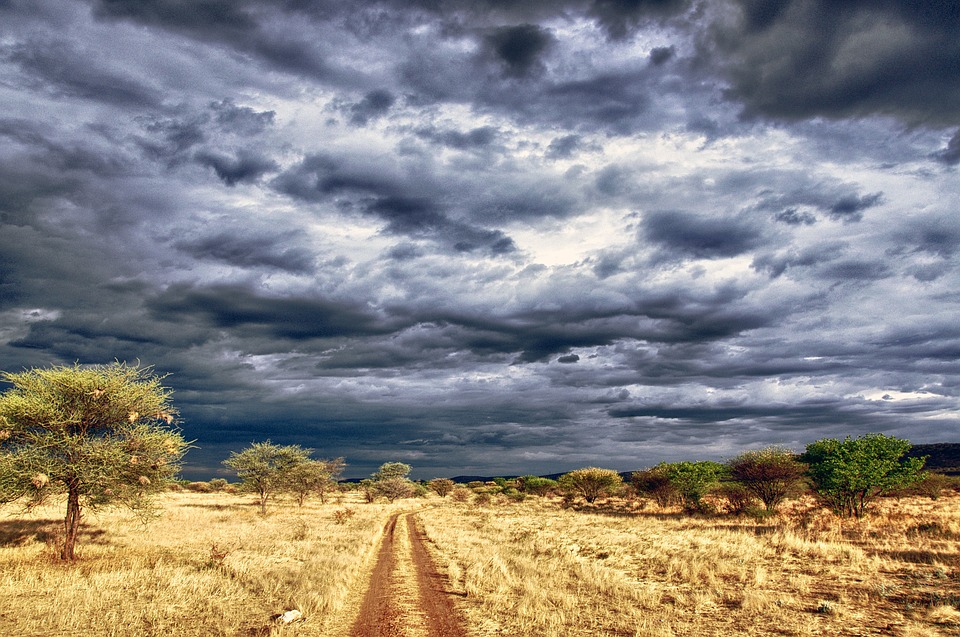
- As a result of above-average rainfall in Namibia, the majority of households now have sufficient food stocks expected to last until December 2025. (Source: Pixabay)
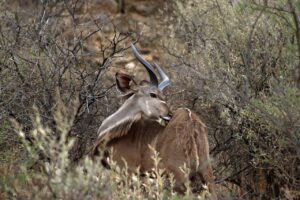
- Persistent wet conditions may increase the likelihood of livestock diseases such as heartwater, anthrax, foot rot, pulpy kidney, and parasitic infections. (Source: Pixabay)
Sustaining the gains
The IPC urges continued vigilance and targeted investment to protect current achievements. It recommends maintaining social grants, food assistance for marginalised groups, and conditional cash transfers such as the Basic Income Grant (formerly the Food Bank) for urban and peri-urban communities. Further investment in nutrition programmes, agricultural inputs and social protection will be crucial to strengthening household resilience ahead of the next lean season. With sustained support and favourable weather, Namibia may continue to reduce hunger and move closer to long-term food security.
Key assumptions for October to March 2026
The report states the following key assumptions for the period October 2025 to March 2026.
Rainfall and temperature
Weather forecasts for the 2025/26 season indicate that most parts of Namibia will experience above-normal rainfall, continuing a positive trend observed during the previous season. However, the full benefits of this rainfall will only be realised after the next harvest, expected during the second projection period in 2026. Until then, most rural households will have depleted their food stocks by December 2025, entering the lean season with limited reserves.
Although rainfall prospects are favourable, above-average temperatures are also anticipated across the country. Higher temperatures may speed up soil drying, increase evapotranspiration, and reduce water availability in shallow wells and boreholes.
Consequently, some regions may still experience localised dry spells, even during periods of overall good rainfall. The combination of high temperatures and variable rainfall distribution could influence crop performance and shorten the growing season in marginal areas.
Economic shocks
The withdrawal of the national food relief programme in August 2025 is expected to exert significant pressure on households that previously depended on this assistance for their basic food needs.
Many poor and marginalised families will be forced to adopt alternative coping strategies such as informal employment, borrowing, reducing meal frequency, or selling productive assets.
The broader economic environment remains fragile following the El Niño-induced drought, which disrupted agricultural output, employment, and household income. Although the national economy shows signs of gradual recovery, many rural households, especially those in drought-prone areas, have yet to regain their income sources.
Families who are dependent on livestock production remain particularly vulnerable, as many lost animals during the severe 2019 drought. Recovery has been slow, leaving these households with diminished livelihoods and weakened resilience to future shocks.
Livestock conditions
Improved pasture growth and water availability from surface and groundwater in dams, rivers and boreholes are expected to sustain livestock until the end of the rainy season in December 2025. This will support better livestock body conditions and improved milk and meat production in most farming areas.
Persistent wet conditions also increase the likelihood of livestock diseases such as heartwater, anthrax, foot rot, pulpy kidney, and parasitic infections. Farmers will need to provide supplementary feed during periods of limited grazing access and ensure timely vaccination and disease control to prevent major livestock losses.
Depletion of household food stocks
Household food stocks are expected to be exhausted by December 2025, pushing many families to rely heavily on markets for food purchases until the next harvest in March or April 2026.
High food prices
Food prices are expected to rise towards the end of 2025, coinciding with the depletion of household stocks and increased market reliance. Seasonal transport disruptions, particularly during the rainy season, may further raise transaction costs, keeping food prices high in remote areas.
Nutrition and health
Nutrition outcomes are likely to deteriorate during the lean season due to reduced food access, limited dietary diversity, and constrained health-sector funding.
Children, pregnant women, and people living with chronic illnesses, are at heightened risk of malnutrition and related health complications. The combined impact of food shortages and reduced access to healthcare could lead to a rise in acute malnutrition cases, particularly in rural communities.
Humanitarian assistance
The phase-out of humanitarian food assistance by August 2025 will likely deepen vulnerability among poor households, particularly those outside major crop-producing regions.
Families with limited assets or income-generating opportunities may continue to struggle even as national food availability improves. To mitigate this risk, sustained social protection measures, including targeted cash transfers, school feeding, and nutrition support, will be essential.
Source references
Namibians facing food insecurity fall from 1,15 million to 456,000 (2025)
https://thebrief.com.na/2025/10/namibians-facing-food-insecurity-fall-from-1-15-million-to-456000/
NAMIBIA IPC ACUTE FOOD INSECURITY ANALYSIS JULY 2025 – JUNE 2026 Published on 13 October 2025. https://www.ipcinfo.org/fileadmin/user_upload/ipcinfo/docs/IPC_Namibia_Acute_Food_Insecurity_Jul2025_Jun2026_Report.pdf