New in terms of Pioneer’s trials
Different types of trials are planted in each agent’s area each year, such as strip trials, PKP trials (“Product Knowledge Plots”) and then, of course, DAT trials (“Digital Agronomy Trials”). What is new, is that we have started to not only plant population variations by means of prescription cards, but we can now alternate two different maize cultivars as well.
The purpose of DAT trials is to:
- Plant the right cultivar,
- on the right type of soil,
- at the right plant population,
- in the right area
What is important is that a cultivar is not compared to another cultivar. A cultivar is compared to itself over the different soil polygons, or soil potentials, and the different plant populations where it was planted.
In Pioneer, then, this is how a new cultivar can be placed correctly.
How DAT trials are conducted
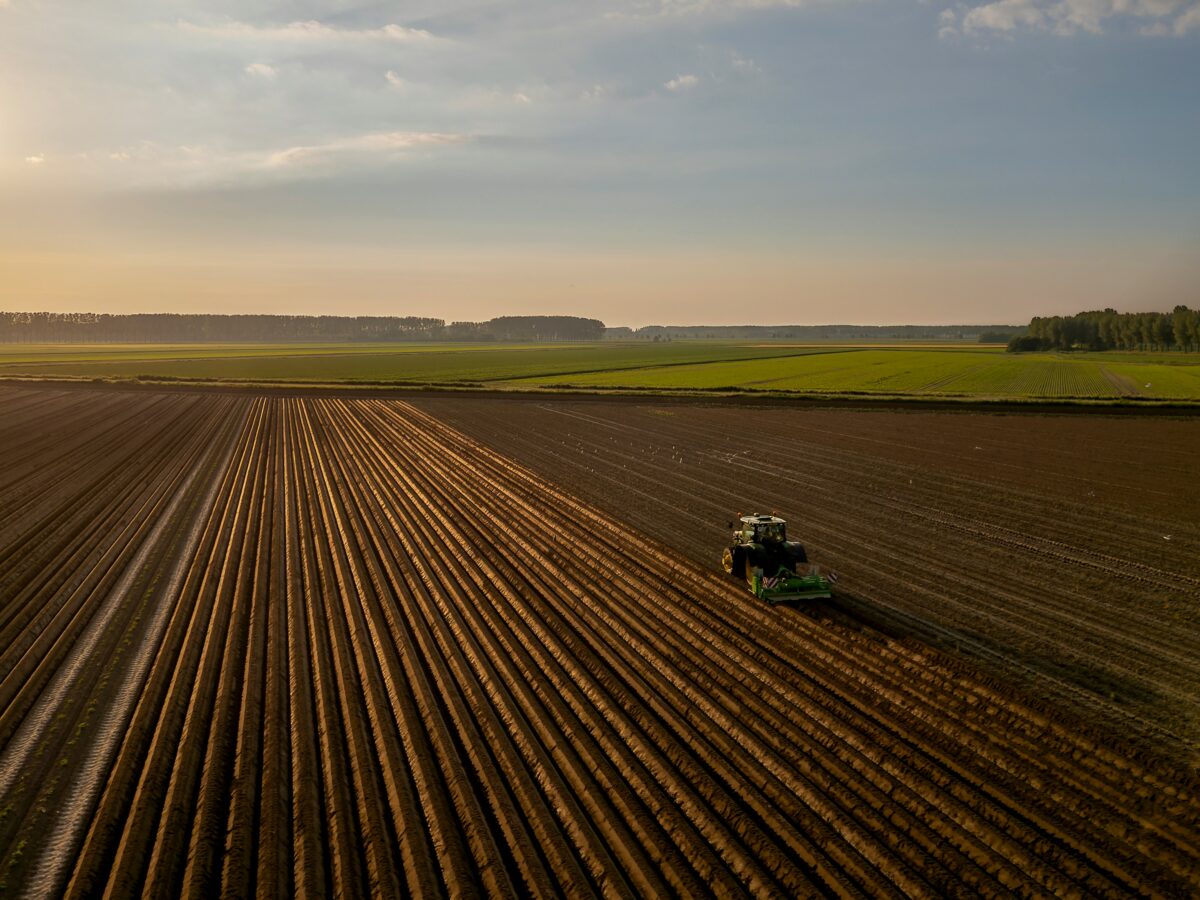
DAT trials are planted on about 20 to 40 ha. About 3 or 4 new cultivars are chosen. They are then repeatedly planted on 3 different plant stands over the 20 to 40 ha. The requirement is that the plot of land must have different soil types, which we then call polygons. The plant populations used are usually the plant population that the customer on whose farm the trial is being done, usually plants, and then one plant stand lower and one plant stand higher.
When it comes to harvesting, we use the customer’s harvester and as each lane is stripped, the cultivar with the relevant plant population is entered on the harvester monitor.
At the end of the trial’s harvest, this combine data is downloaded electronically. The harvester data is then fed into a programme where both the soil polygons and the harvester data are processed together, after which analysis of the data takes place.


The number of DAT trials planted
Each agronomist is responsible for planting such DAT trials in his area. It has been done for at least five years now and we have already built up some good data. We are now in the process of creating a platform where we can write prescription cards for customers on their fields based on the data collected. Customers who are not yet working with prescription cards will also benefit by being able to make a recommendation according to each field’s general potential.
Application of data
After analysing the data, it is classified into yield classes. With this data, a pre-screen map can be written for a specific field to then make optimal use of the plot of land being planted. An attempt is therefore made to apply the best population for the specific cultivar for the specific soil polygon.
As previously mentioned, we can now alternate two different cultivars, and we did a trial run last season where two cultivars were alternated in the same planter track, as well as according to plant population. Along such a track, we planted a control of only one cultivar with one plant population.
The customer with whom we did this already plants two cultivars alternately according to his own recommendations. So, we planted a track of the customer’s prescription as well and compared the three with one another.
It was surprising that the customer’s and Pioneer’s prescription of two cultivars and different stands in the total planter track both gave almost the same average yield, but that the control was weaker. So, this is very positive. It shows that we are moving in the right direction and will therefore be able to make good recommendations going forward.
Therefore, the double cultivar recommendation on an alternating prescription card is the future for increased yields.