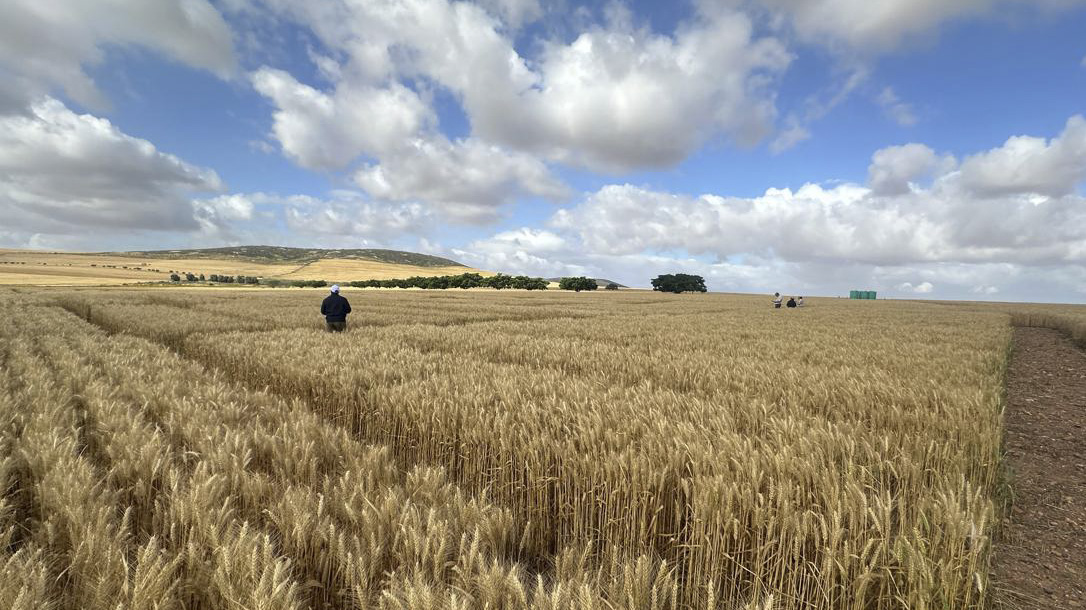
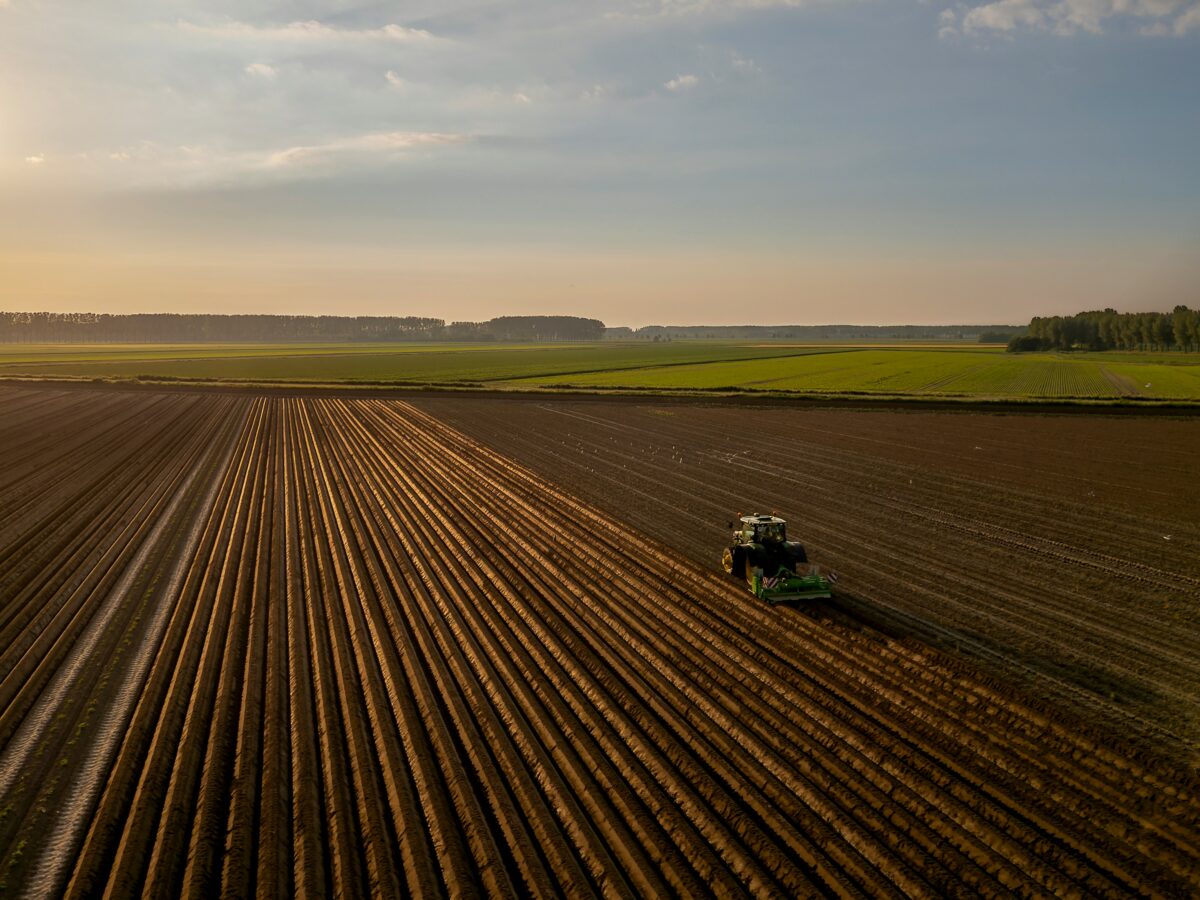
None of your fields, or even parts of the same field, on your farm are exactly the same. Differences in soil potential, moisture holding capacity, nutrient status and production capacity mean that farmers need to manage their resources wisely to ensure the best possible yields.
SGS NviroCrop focuses on collecting valuable information on your farm and converting it into practical recommendations. By using collected data and technology, they help farmers utilise every hectare more efficiently, better manage input costs, and ultimately achieve greater profitability. The more data collected over time, the better. The company conducts soil, water, leaf and fertiliser analyses, soil classification, crop planning and economic analyses, all combined in agricultural services.
PD Koegelenberg, agronomist at SGS NviroCrop, says precision farming is where it all began. “We have our own laboratory where we analyse soil, leaves, fertiliser and water. The major advantage of SGS is that we are independent. The data and recommendations we receive from the laboratory are not linked to any specific input supplier. We recommend the products the farmer needs, and they can purchase them wherever they choose.”
PD explains that the future is moving towards data-driven decisions, which is why SGS developed an app (Precision Gateway – web and mobile phone) for better communication and real-time monitoring between the agriculturalist and the producer “to ensure that all the soil on a farmer’s land delivers the yield it is capable of”.

Technology determines field profitability
Cobus Burger, SGS Business Manager, says that the real-time interaction between climate/ground/practices plays a big role in farmers’ decisions. “We built a Soil iQ programme. Every zone, every soil type with its unique code, every field and every farming operation as a whole can be analysed financially. Whether you are applying fertiliser or planting seed, as soon as we receive your raw yield data, we can tell you exactly how profitable or unprofitable a specific section of your fields is,” says Cobus.

Technology supports better decision-making
SGS NviroCrop can evaluate any varieties on their programme. “Our programme is a major step in the right direction to help farmers make better decisions and gain more insight,” he adds.
Johan Eksteen, SGS Product Business Manager, says their laboratory is a source of pride. “We must also comply with the requirements for exporting vegetables and fruit overseas.”
Furthermore, SGS assists with reliable food and feed testing, as well as analysing nutritional value, which has a direct impact on animal health and production. For the market, this ensures that farmers can confidently deliver safe, high-quality food.
They can also test fertiliser and water. For livestock farmers and feed producers, this means knowing the exact protein, fibre and mineral levels in their feed, which directly impacts animal health and productivity. For the consumer market, it ensures that farmers can supply safe, healthy and high-quality food with complete confidence, meeting strict national regulations.
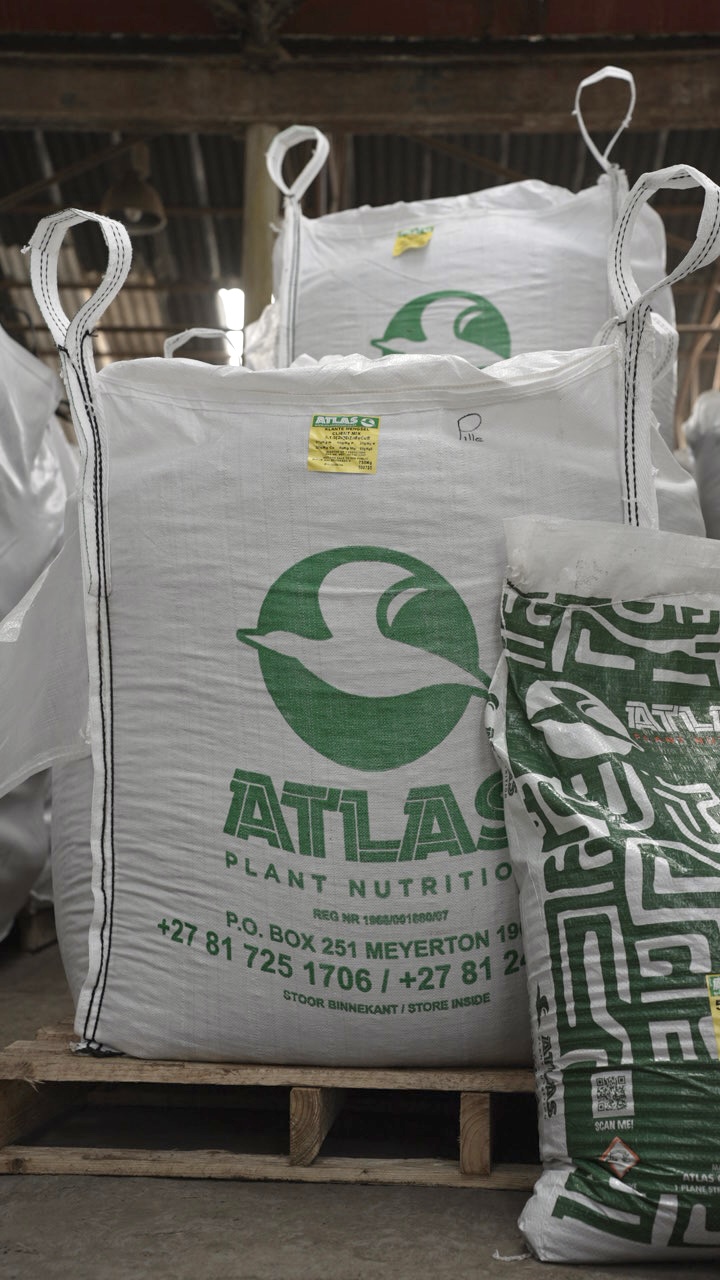
SGS analyses the exact composition of fertiliser (whether chemical or organic), ensuring that farmers do not waste money on inferior inputs. Water quality is the lifeblood of any farming operation. SGS tests irrigation and livestock water supplies for harmful pathogens, heavy metals, salts and pH balance. This protects sensitive crops from toxicity and ensures that irrigation systems themselves are not damaged.
Ian Bothma, SGS NviroCrop agronomist and Area Manager in the Western Free State, also mentions the importance of soil classification, as soils differ from region to region. “Certain soils are more vulnerable to droughts and therefore farmers must analyse soil chemicals above ground and below ground – which could damage the soil’s potential – before the season commences.”
Make better and more informed decisions together with the SGS NviroCrop team. Contact their agronomists or visit their website at https://www.sgs.com/en-za