A long-term potato moth monitoring project in the Sandveld has shown great successful over eight years and is now being expanded to the north of South Africa.
Potato moth (Phthorimaea operculella) is a difficult pest to control and can cause significant economic losses to potato farmers. Yet, Sandveld farmers have achieved long-term success in managing this pest, thanks to this innovative project and the collaboration between InteliGro and Syngenta.The Sandveld potato moth monitoring project began in 2016 when InteliGro deployed a network of potato moth traps. These traps contain a species-specific pheromone that attracts and captures male moths, thereby providing producers with an early warning of increases in moth population pressure.
“Ingenuity, data and thoughtful management of the moth population have brought remarkable long term results for farmers in the Sandveld,” says Stefan Steenekamp, Technical Marketing Specialist, who heads InteliGro’s national potato strategy.
“During weekly visits to producers, we record trap catches of both potato moth and tomato leaf miner (Phthorimaea absoluta, formerly known as Tuta absoluta) on electronic platforms called Cropwise and CropWatch. The data is analysed, and the combined interpretation of trap catches, physical monitoring data and weather information makes it possible to make more accurate predictions of moth outbreaks and design better strategies for crop protection.”
-

- Tomato leaf miner (Phthorimaea absoluta), top left and bottom right, and potato moth (Phthorimaea operculella), top right and bottom left, are two of the biggest insect pests that South African potato farmers must manage. Photos: InteliGro
-

- The moth monitoring devices attract male moths with a species-specific pheromone. Photo: Stefan Steenekamp/InteliGro
Farm with less pesticides and more expertise
Stephan & Seun Boerdery, a well-known family farm in the Sandveld, has participated in InteliGro’s potato moth monitoring project from the beginning and has had noticeable improvements. “We are very satisfied with InteliGro’s pest monitoring of potato moth and P. absoluta on our fields,” says Johan Stephan.
“Their regular and accurate field data helps us determine the optimal scheduling of pesticides. This saves costs, reduces the number of sprays we apply and prevents damage. This service gives us peace of mind and helps us improve yields.”
Steenekamp emphasises that InteliGro follows an integrated pest management strategy, combining chemical and biological solutions with cultivation practices such as tillage and irrigation.
“We want to support sustainable farming and proactively address climate challenges. This program promotes both economic benefits and a smaller environmental footprint, ensuring potato farming for future generations.”
Sustainability requires collaboration and innovation
Although South Africa produces only 1% of the world’s potatoes, Steenekamp believes that the crop has significant potential to expand. “Potatoes are a nutritious basic food source that can play an important role in food security and the fight against poverty.” South Africa is ideally positioned to provide consumers with fresh potatoes all year round, with approximately 52 000 hectares of potatoes planted annually. This includes the Sandveld, where potatoes are grown year-round, while other provinces produce seasonally.
“To farm sustainably in dryland and irrigated areas, we need to overcome environmental challenges such as climate change, diseases and insect pests. Climatic factors such as temperature and humidity directly affect the life cycle of insects,” says Steenekamp.
“The industry has previously relied heavily on products that are now considered CMR (carcinogenic, mutagenic and reproductive disruptors): however, these types of products are now being phased out, limiting the number of available tools. This is where innovation is essential, and where InteliGro is working with other industry organisations to find alternatives.”

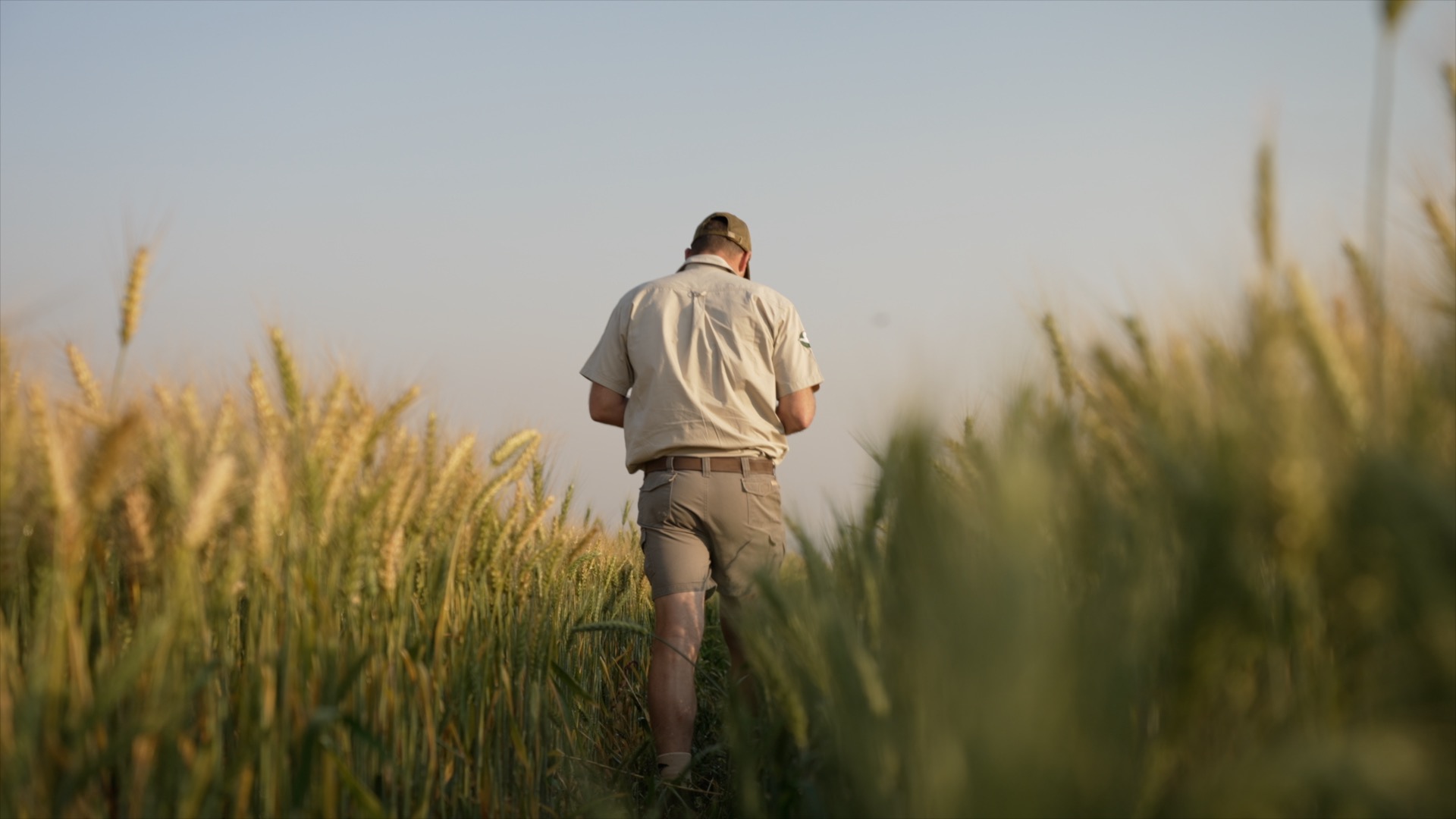
Stefan Steenekamp, a Technical Marketing Specialist who heads InteliGro’s national potato strategy. Photo: InteliGro
Results lead to expansion to the north
The success of the Sandveld project is now leading to a pilot project in the Far North of Limpopo. InteliGro is working with Potatoes South Africa (ASA) and Metos SA to combine moth trap and weather station data in a project that will help producers tailor spray programmes depending on the potato moth population in the area.
“Our experience over the past eight years means that we can now share our integrated pest management expertise with producers in other potato production areas in the country,” says Steenekamp.
“In the future, InteliGro will be able to make even more accurate recommendations by combining historical data and weather forecasts.”