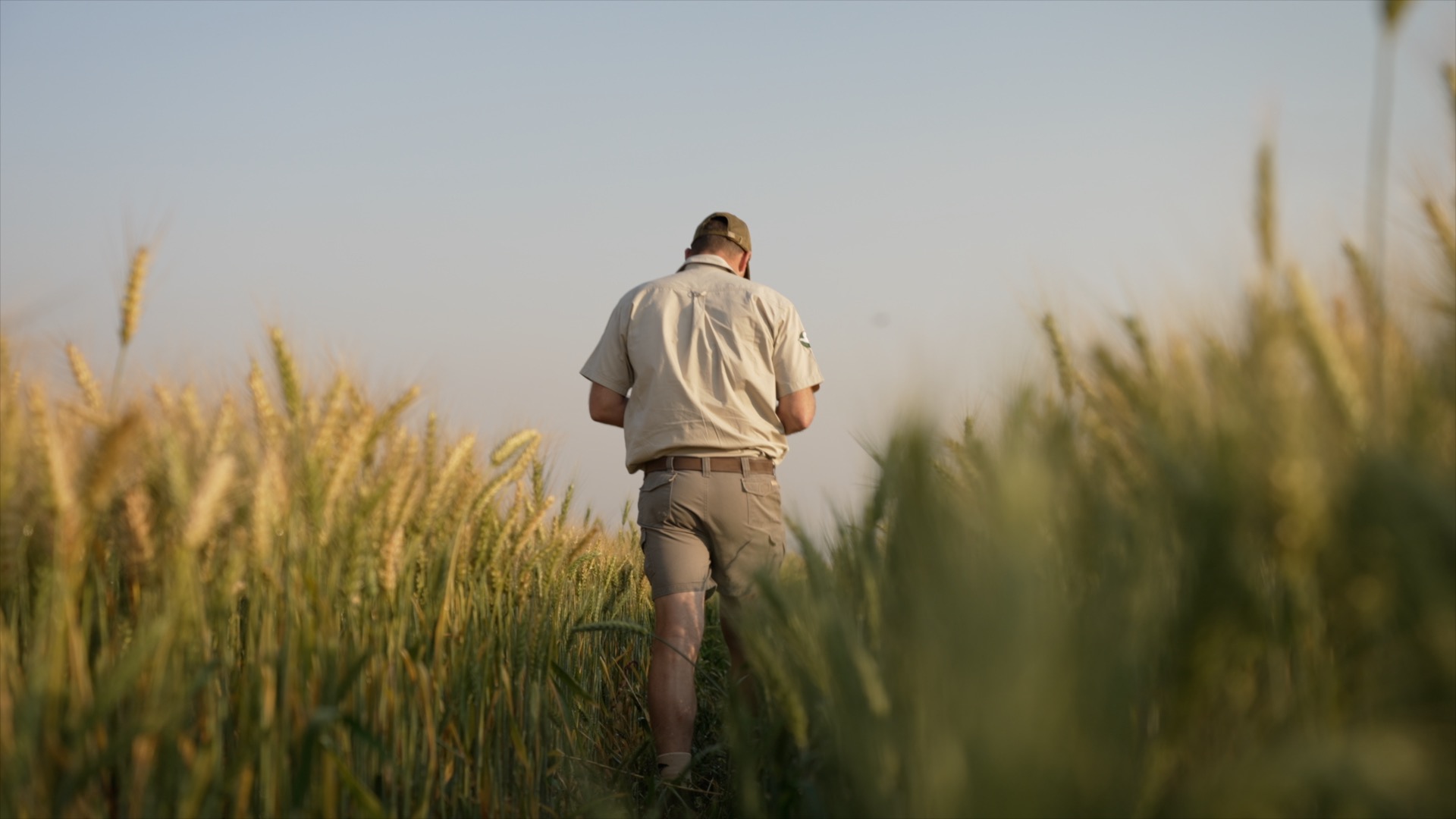
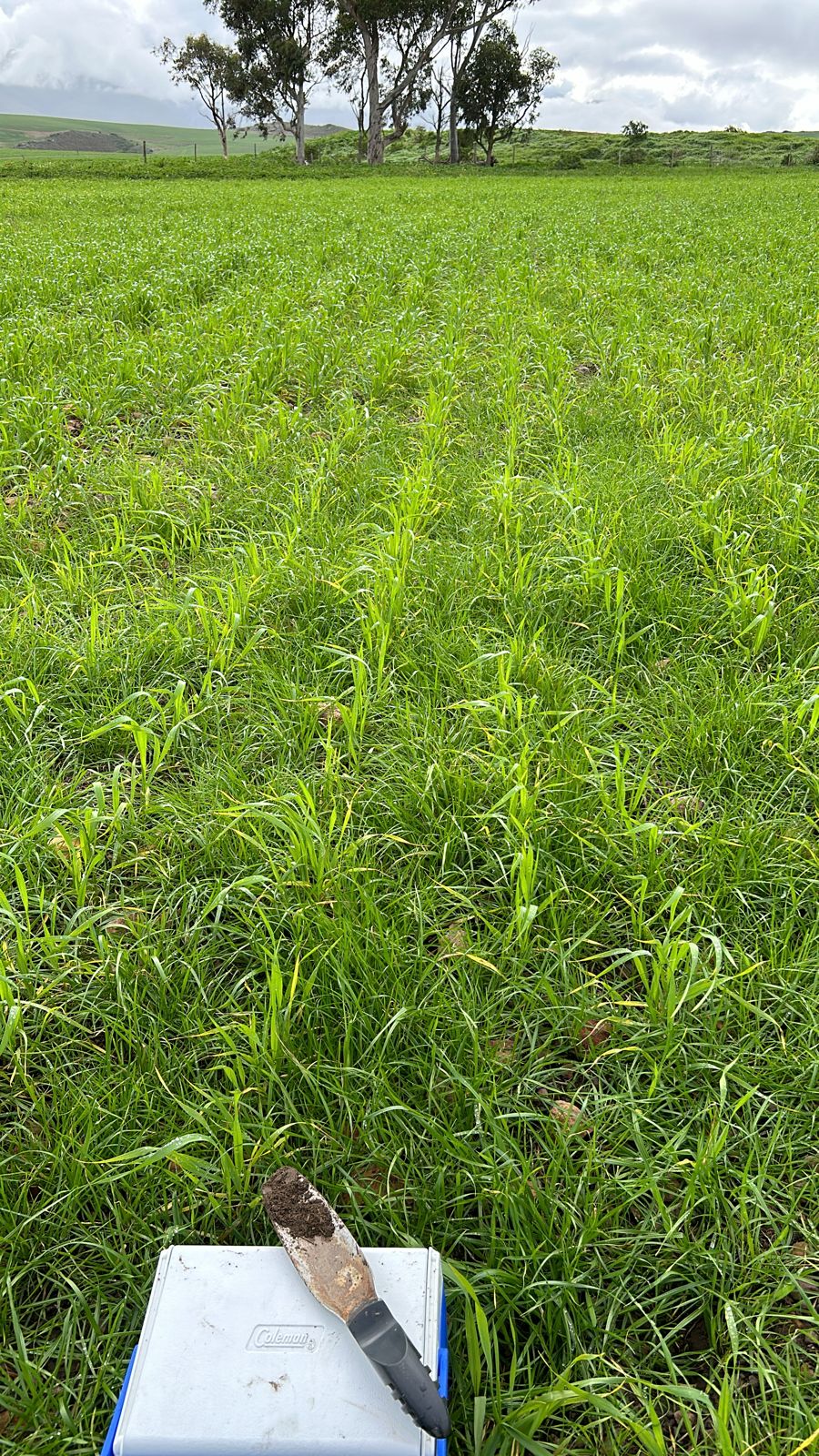
Volkskool High in Potchefstroom reached a significant milestone during its recent harvest day on 26 February with the first successful harvest of green maize grown on the school grounds. This achievement is the result of hard work, community collaboration and, most importantly, Reinke Africa – a partner that represents far more than a simple sponsorship.
The agriculture department at the high school is currently in its third year of existence and has grown significantly in a short period of time. A Reinke centre pivot irrigation system has been installed on 4,5 ha of land on the school grounds – an investment that lays the foundation for sustainable production and practical agricultural training.
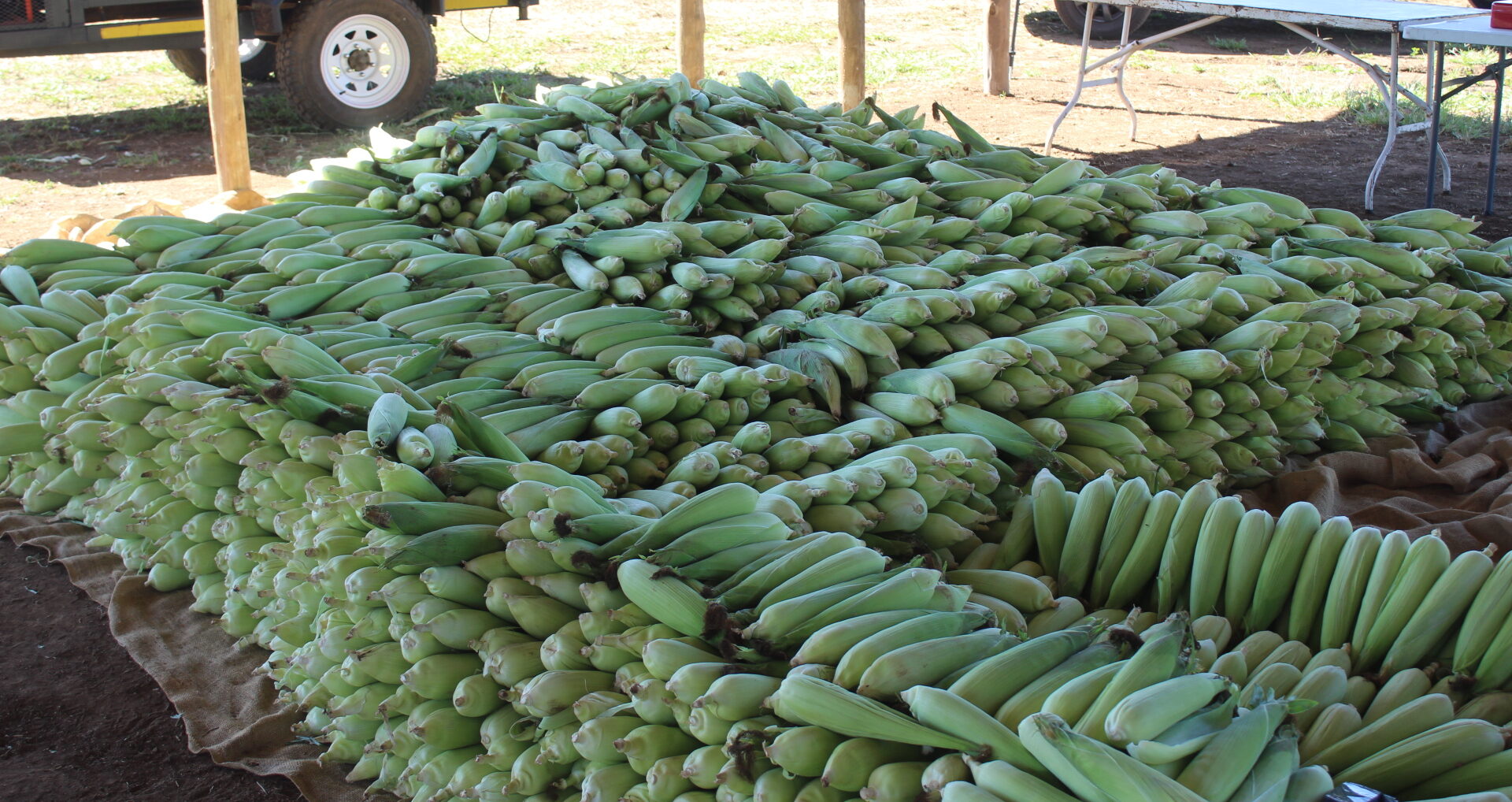
Maize is prepared and ready for the day’s sales.
Partnership makes a meaningful difference
PW van Aswegen, principal of Volkskool High, says Reinke’s involvement goes far beyond support – it is a partnership that delivers tangible results.
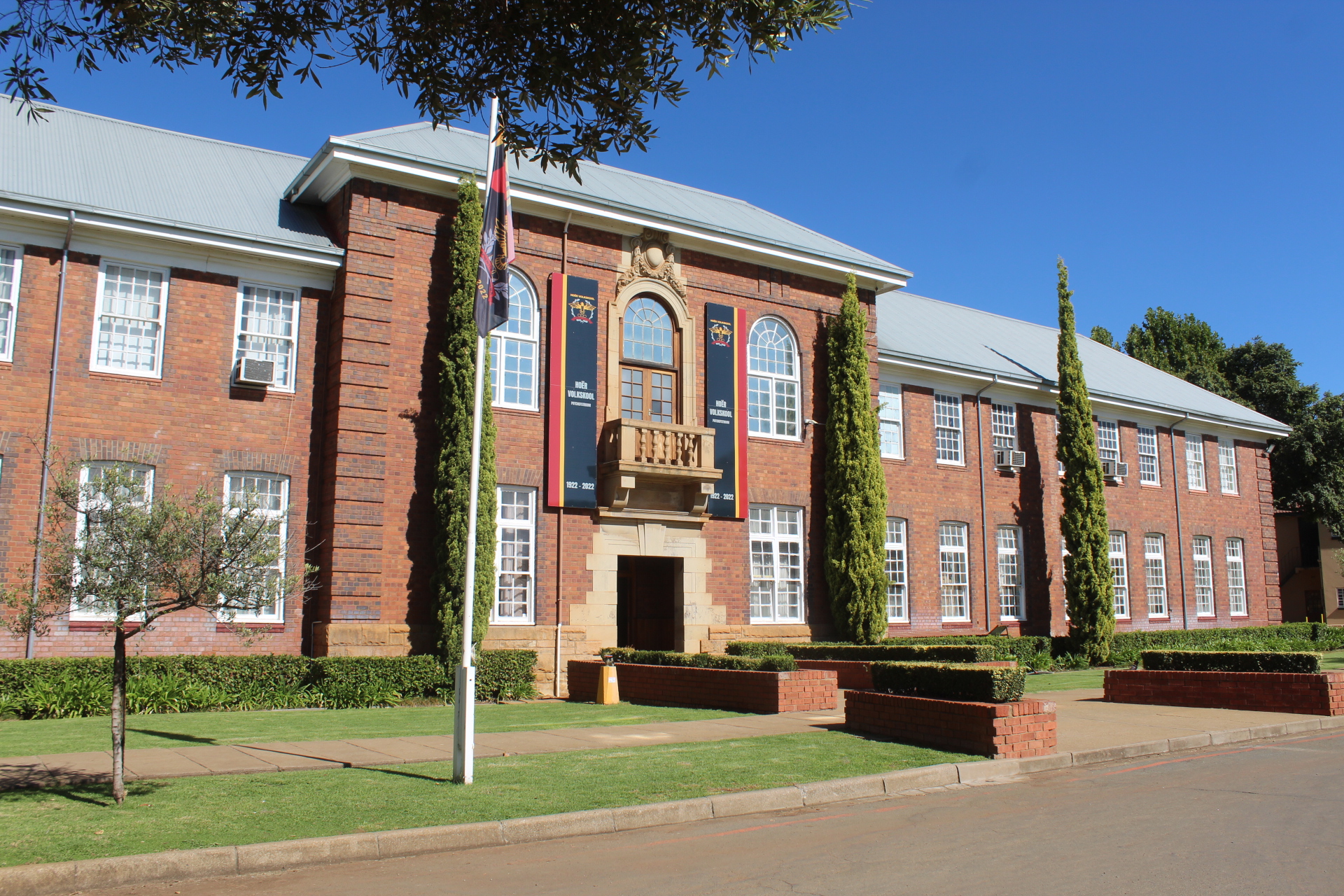
The beautiful building of Volkskool High.
“Volkskool is not only rich in tradition, but also purposeful in our vision for the future,” he says. “Reinke did not simply install a pivot and then step away. They remain actively involved, continuously support our agriculture department and walk the road with us. Our first harvest season performed better than we could ever have dreamed. It is clear proof of how efficient and reliable Reinke’s irrigation technology truly is.”
He refers to a life lesson he learned from his father: “The closer you are to the soil, the closer you are to the Creator.”
According to him, this mindset reflects exactly what is happening at the school. Reinke believed in the dream from the very beginning.
“They didn’t hesitate – they simply said: ‘We believe in what you are trying to build here.’ It was never just a once-off investment. They became part of the process, offering advice, providing support and growing alongside us.”
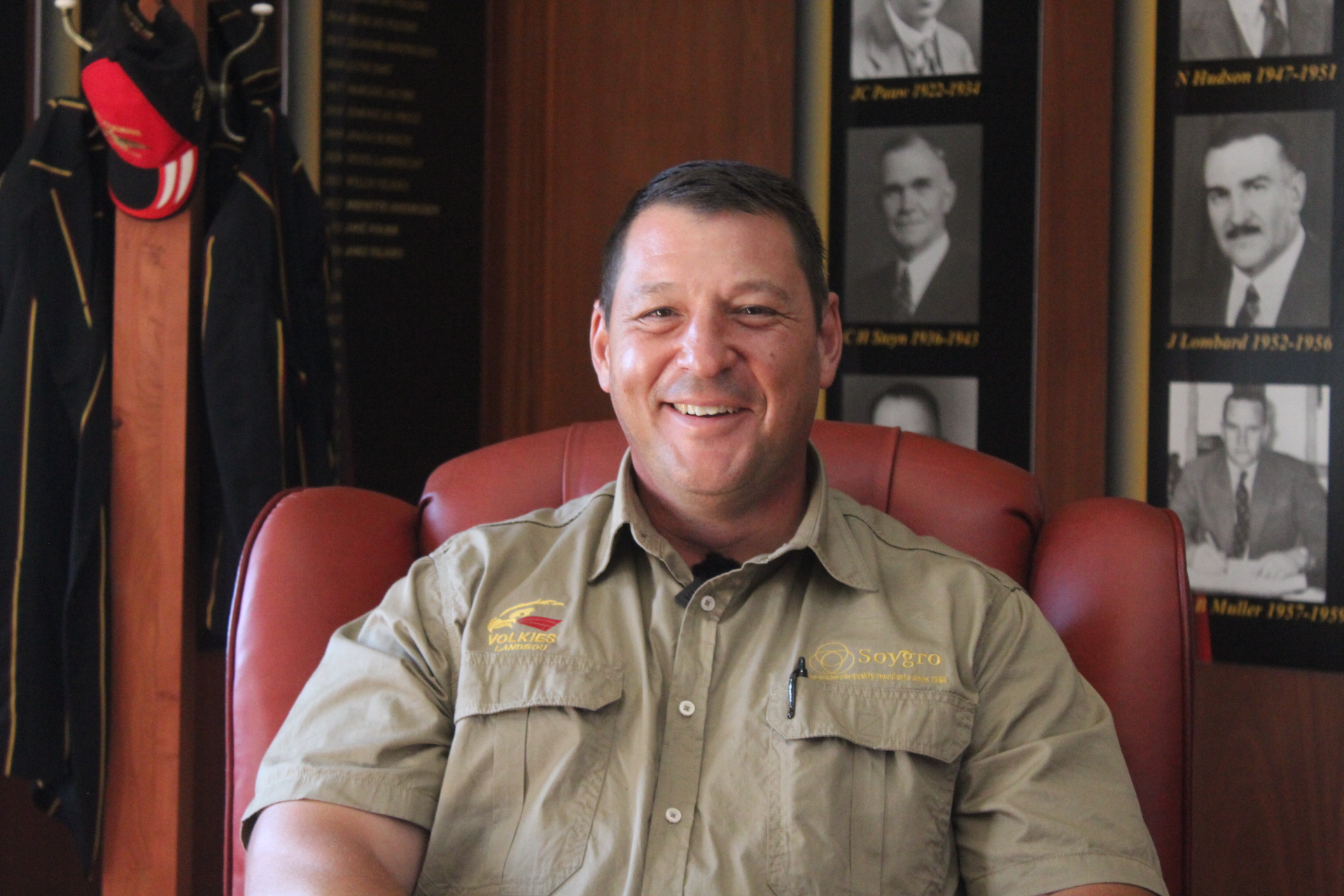
PW van Aswegen, principal of Volkskool High.
Van Aswegen further emphasises that the project unlocks enormous potential – not only for the learners, but also for the broader community. Volkskool High is known for giving back to society, and a portion of the green maize harvest has already been donated to retirement homes and welfare organisations as a gesture of gratitude to the community that supports the school.
Their long-term vision is clear: to make the school more self-sustainable, while simultaneously preparing learners for the realities of modern food production.
“In the agricultural sector out there, the pressure is enormous,” says Van Aswegen. “Here, learners are able to learn practically, experiment and even make mistakes on a smaller scale. By the time they leave school, they are not only equipped with theory – they’re practically prepared.”
Practical exposure changes lives
For the Volkies learners, the project means far more than just another school activity – it has become something personal, something they feel part of.
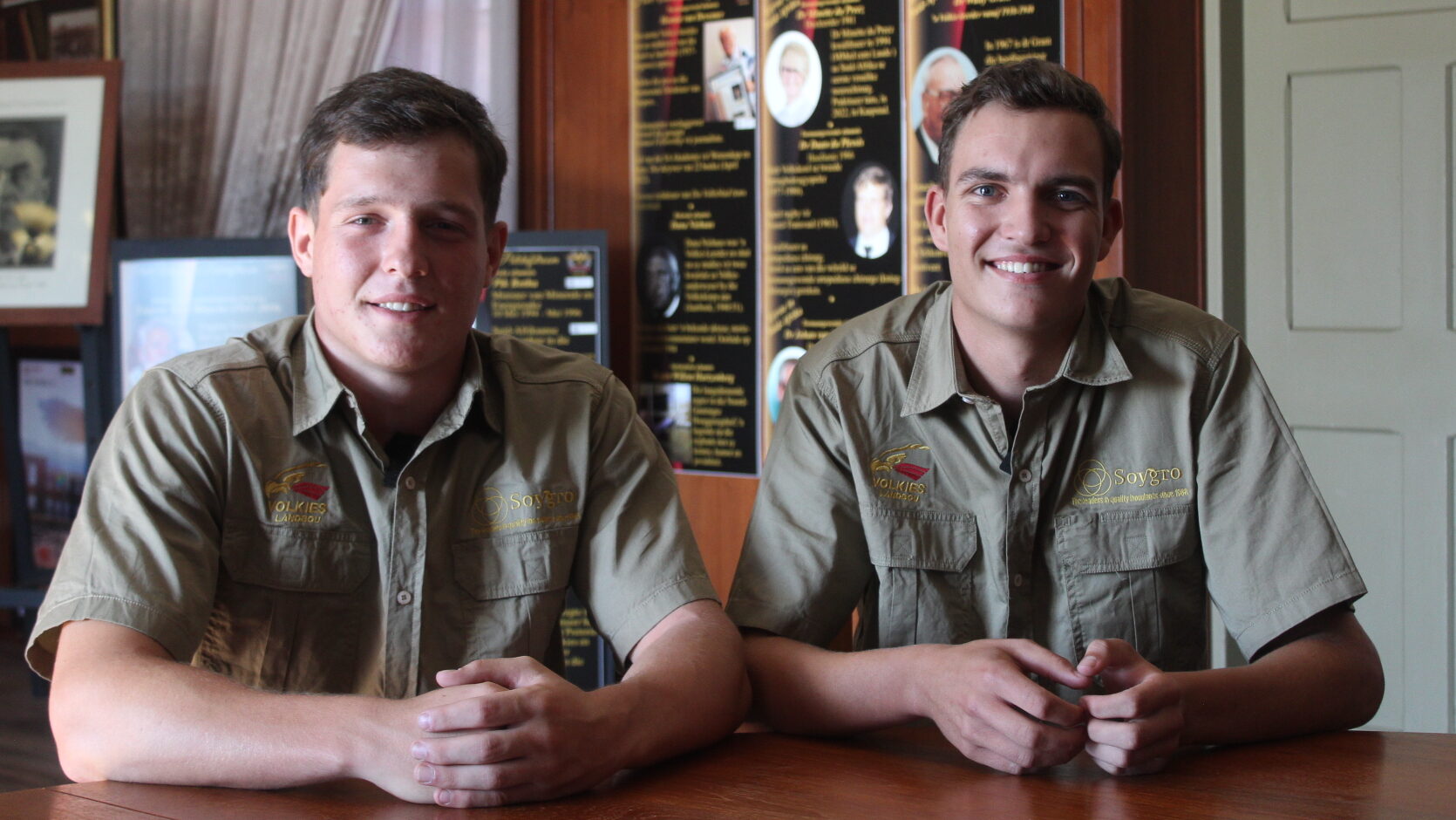
Johannes Lombard and Phillip Niemand, two Grade 12 agriculture learners at Volkskool High.
Johannes Lombard, who doesn’t come from a farming background, explains how the practical exposure has changed his perspective.
“I don’t come from a farm, so it means a lot to me to see first-hand here at school how everything works. Being involved with the pivot and learning practically makes a big difference. It was incredible to see how quickly the maize grew in just one week. One week I was walking through the fields and the plants had barely started forming heads, and the next week the maize was already standing tall.
“That’s when I realised just how big the impact of irrigation really is.”
For Phillip Niemand, who hails from a farming background, the project has also brought new insights.
“I grew up on a farm, but this project has given me a deeper understanding of how everything is done step by step. The practical component makes it different – you learn things you don’t only read about on paper in a classroom. It gives us a completely new learning curve.”
The learners also recognise that they play an important role in the development of the agriculture department. As the first group helping to establish this project, they are setting the standard for what will be possible in the future. Phillip says proudly: “One day I want to drive past here with my children and show them that I was part of this project. It’s something you can truly be proud of.”
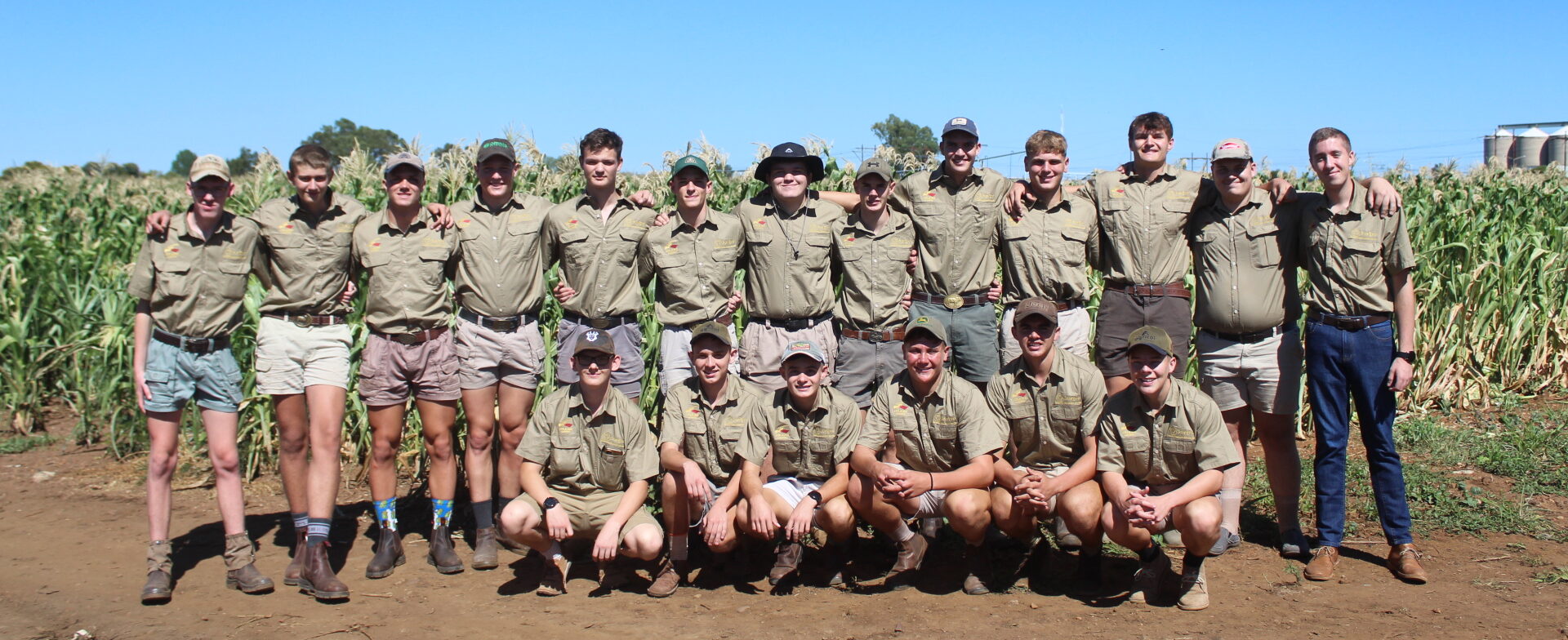
Agriculture learners in front of their maize fields.
What stands out most, however, is the enthusiasm and passion with which the learners talk about the project. It is clear that agriculture is not simply another subject on their timetable, but something far greater. A strong sense of pride and responsibility extends far beyond marks and assessments.
Johannes and Phillip say it is especially during activities in the fields that one can see how the group stands together.
“We simply work together,” they explain. “If someone doesn’t understand something, the others help immediately. We exchange ideas and learn from one another.”
According to them, the project has created a strong sense of community among the learners. “It’s not everyone for themselves – we learn together, work together and grow together,” they say. More experienced learners naturally take the lead, while others eagerly ask questions and learn new skills.
“You feel part of something bigger.”
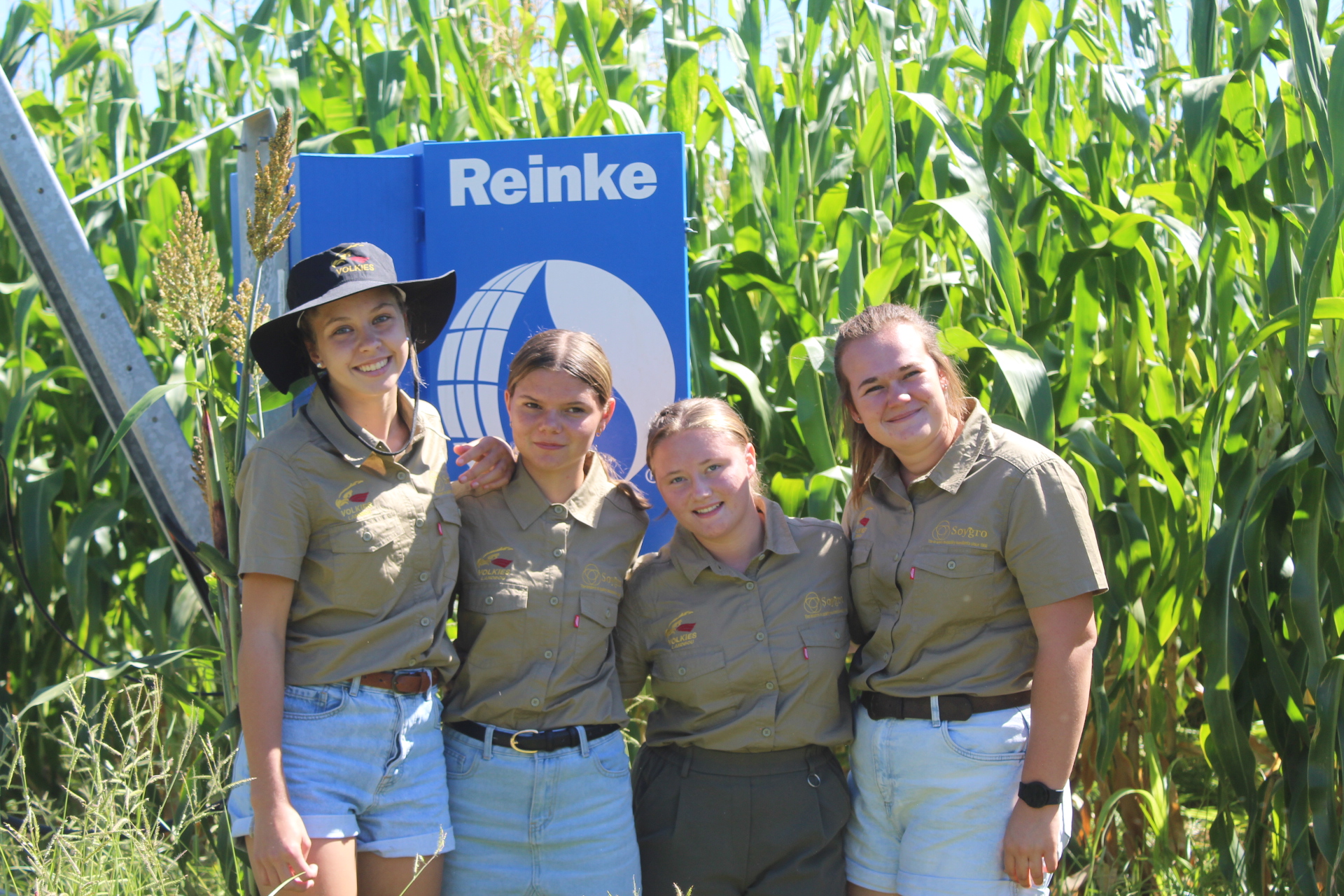
Agriculture learners standing next to the Reinke center pivot control panel.
They also mention that this collaboration has created a new culture within the agriculture department. According to them, none of this would have been possible without the Reinke pivot. “If the irrigation system had not been here, we wouldn’t have had these opportunities,” they say. For them, the project is about more than simply learning – it gives them a shared dream for the future.
Purpose-driven education
Johan Herbst, the agriculture technology teacher who has been with the school for 16 years, describes the project as a dream realised. “Reinke was the kick-start of this incredible project. Even before the land was fully prepared, they believed in the dream. Without their support, we would not have had this harvest, especially since our soil was not ideal for planting.”
He explains that irrigation forms part of the Grade 12 syllabus and that the installation of the pivot offers learners a tremendous advantage in gaining practical experience.
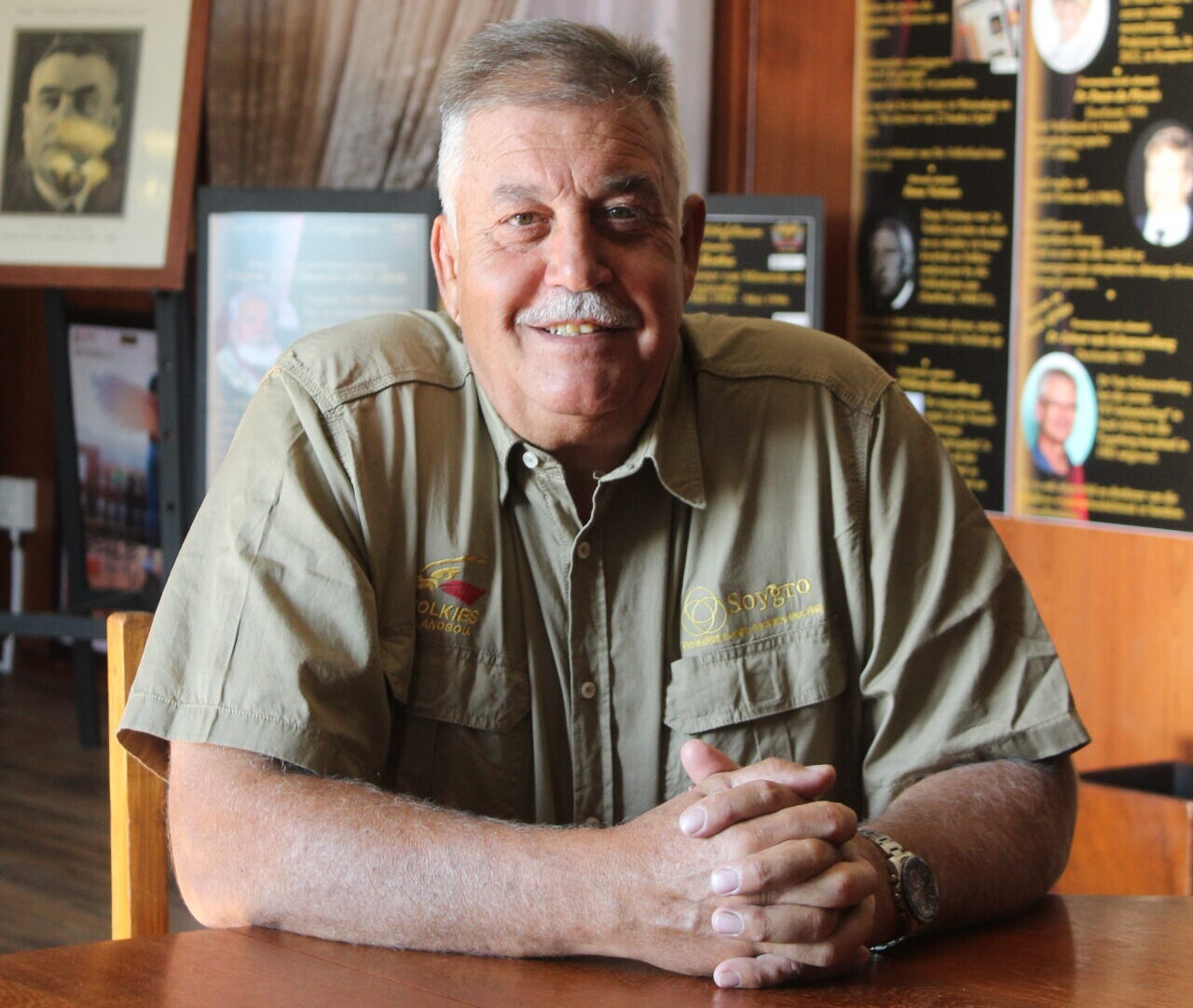
Johan Herbst, agricultural technology teacher.
“They no longer need to visit external farms to gain practical exposure. Everything happens here on our own land and allows learners to understand the importance of water scarcity and the efficient use of water. It makes the learning process tangible and far more exciting than simply sitting in a classroom.”
The successful harvest now allows the agricultural department to expand further and create new opportunities, such as the development of feedlots. Income generated from the harvest can be reinvested into the department to ensure sustainable growth.
Events such as the harvest day are invaluable, as they not only provide practical learning opportunities for learners, but also contribute directly to the development and expansion of the agriculture department on the school’s own grounds.
Herbst also emphasises the important role agriculture plays for learners who may not necessarily excel in a traditional academic environment but are more practically inclined.
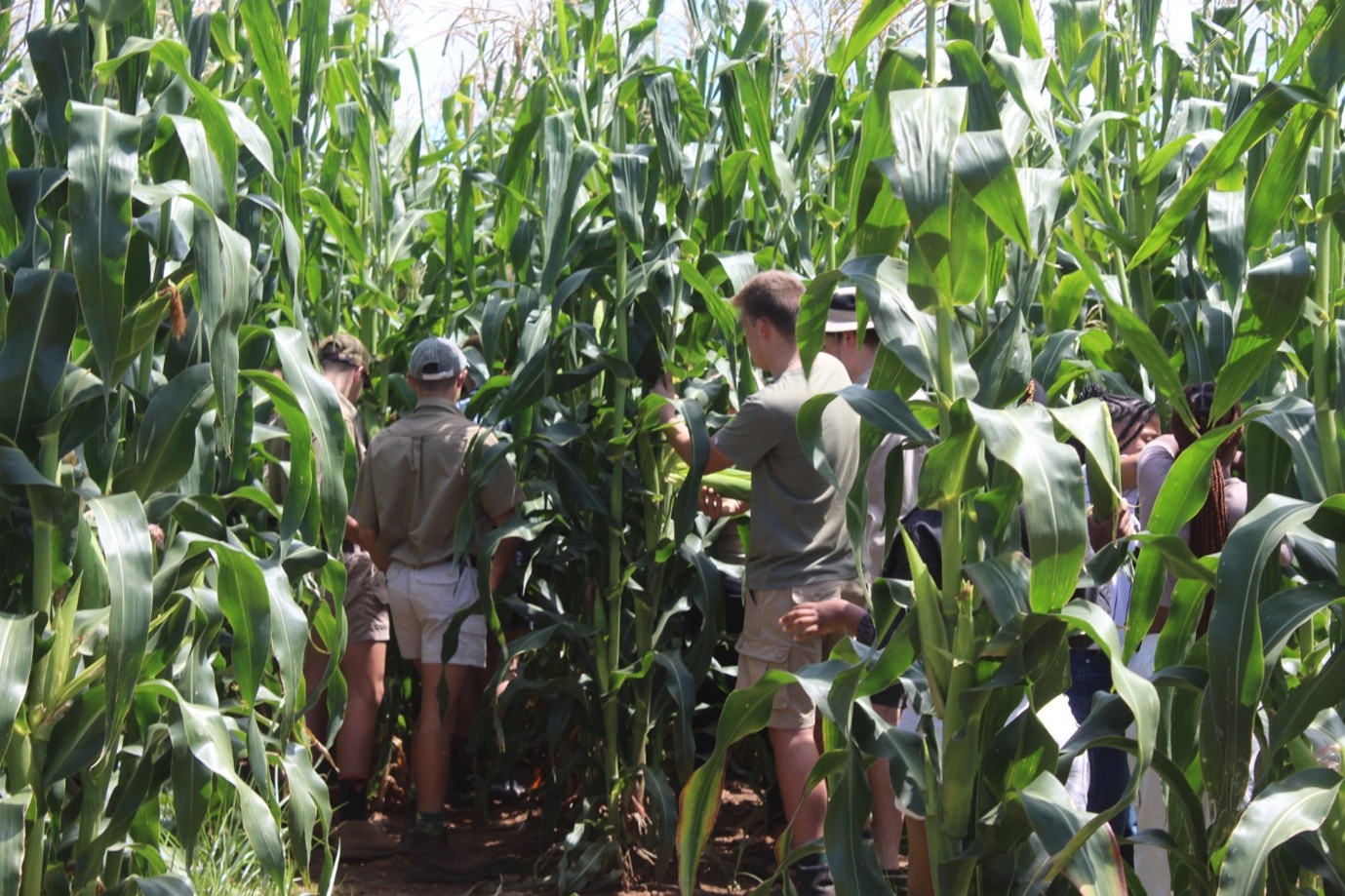
Grade 12 learners in the maize fields among their impressive crops.
A broader vision for South Africa
Phillip Coetzer, sales manager for Reinke South Africa, says it essential for the company to become involved with schools.
“We need to start developing the farmers of tomorrow today. By exposing learners to modern irrigation technology, we show them how rapidly agriculture is evolving and how important innovation is in keeping up with the industry.”
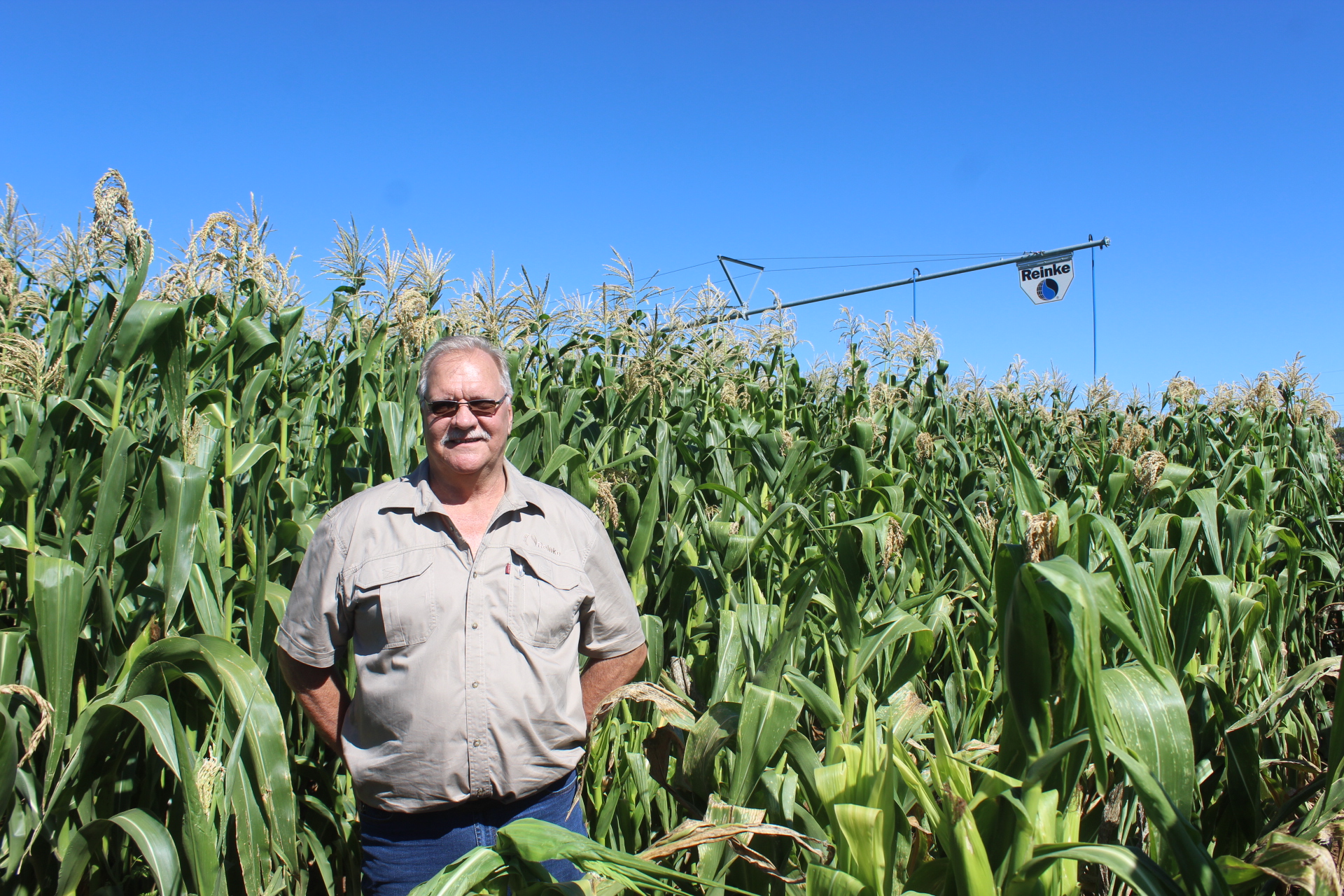
Phillip Coetzer, sales representative for Reinke South Africa.
He also highlights the broader context of food security. “It is important that young people already understand at school level how significant the challenge of food shortages is and what role technology plays in addressing it.”
For Reinke, their involvement is therefore about more than infrastructure – it is about sustainability, knowledge-sharing and a long-term investment in the future of South African agriculture.
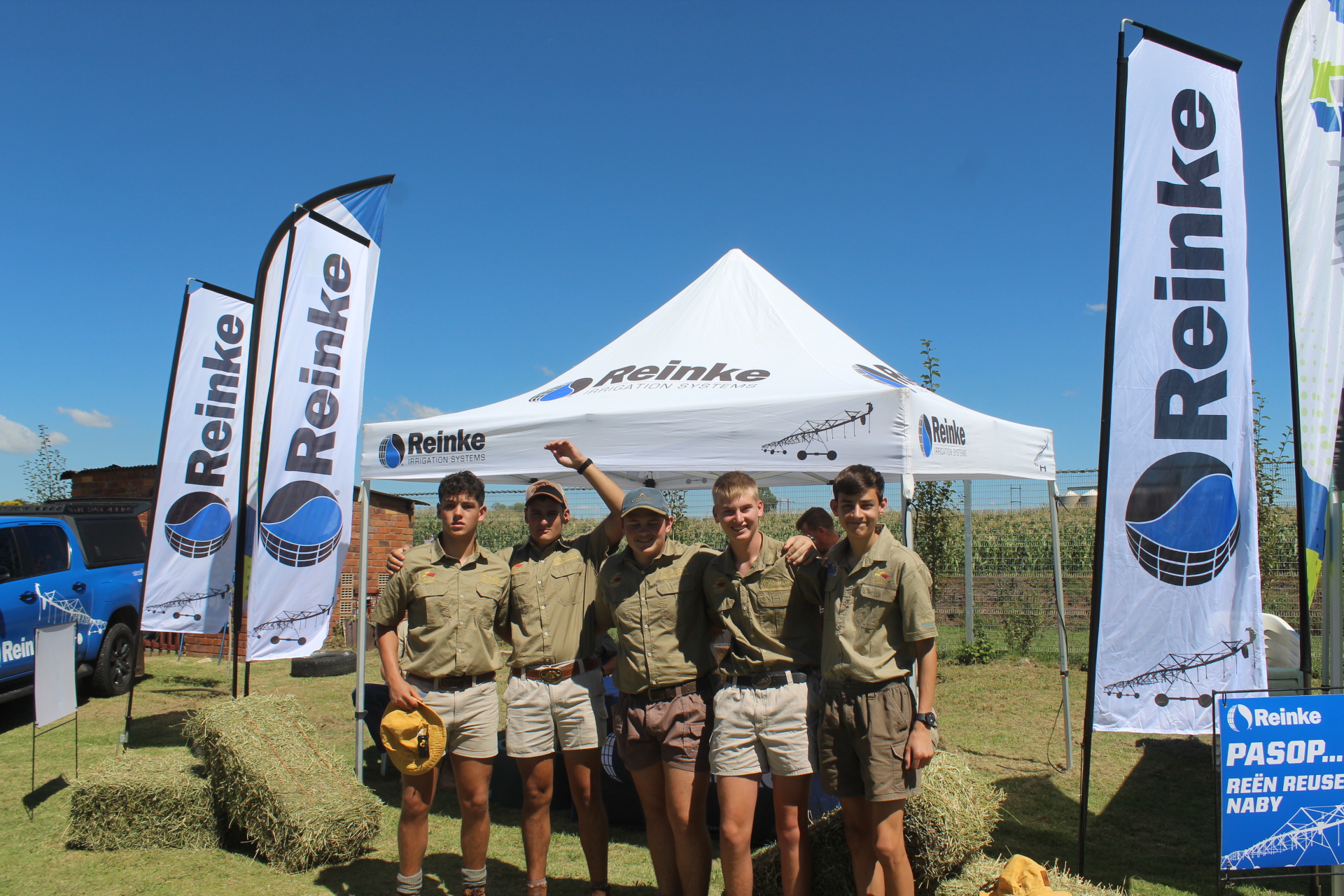
Volkies learners visit the Reinke stall.
More than a sponsorship
Reinke Africa’s involvement with Volkskool High clearly shows that the company not merely acting as a sponsor. They are genuine supporters of a bright future.
The success of the first green maize harvest is not only an agricultural achievement – it is an investment in people, skills and the future of South African agriculture.
And for Volkskool High, this is only the beginning …
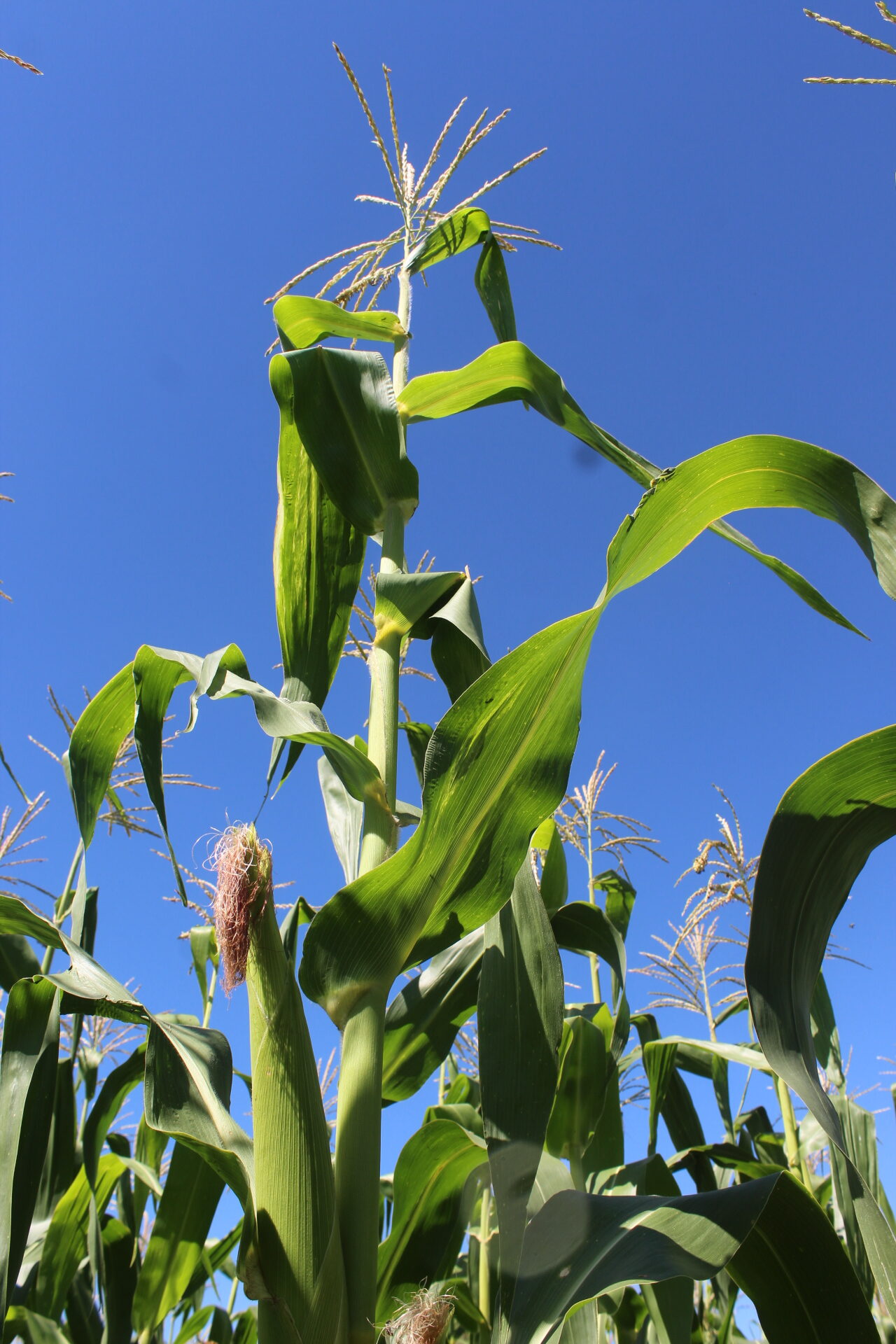
Giant maize plants in the fields.