Baked Beans on toast, with a hearty breakfast or even in soup. Whether you love KOO’s Baked Beans or not, these cans of beans in tomato sauce has been a staple in South African households since 1946. You’ll find a can of Baked Beans in seven out of ten South African households’ food cupboards.
So why Baked Beans?
Beans, which include Baked Beans, are one of the top five sources of protein in South Africa and thanks to the increase in the use of plant-based protein sources, the use of Baked Beans have increased in recent years.
It is one of the most affordable sources of protein, making it accessible to low-income households.
Tiger Brands is the leader in Baked Beans in South Africa, and the company sources approximately 19 000 tonnes of small white beans from farmers, mainly in the Mpumalanga and North West provinces, each year.
83% of their beans come from local farmers, and they import the remaining 17%. However, this amount is determined by the availability of small white beans in the country. Their ultimate goal is to source 100% of their beans from South African farmers.
Tiger Brands works with certified agronomists and farmers to ensure that the quality of the beans they supply is only the best. They support the farmers who plant their beans by providing agronomic assistance for soil sampling, irrigation, and crop management, among other things.
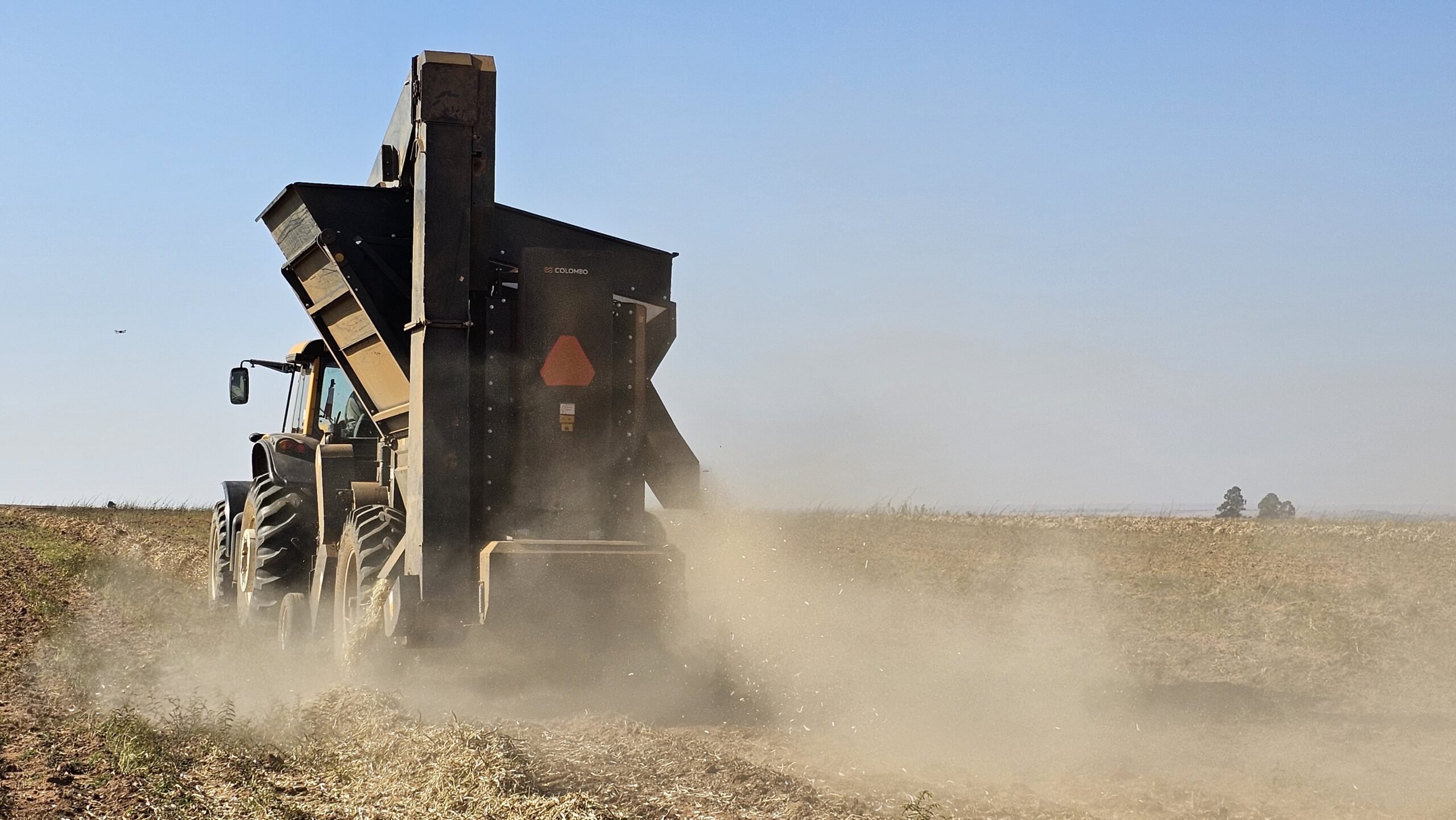
They have also purchased combine harvesters to help farmers harvest as efficiently as possible.
-
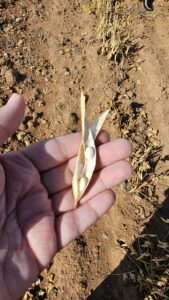
- The beans are first pulled out by hand and packed in windrows to dry out.
From the farm to the factory
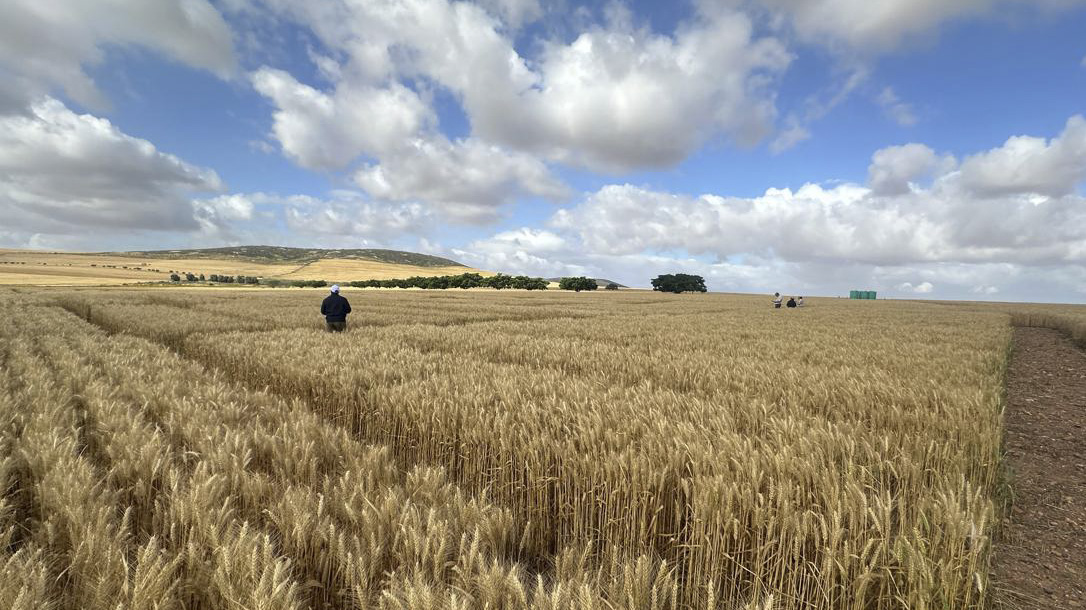
This year, the bean farmers were able to produce more beans of a higher quality due to the rain. The planting season for these beans runs from January to May. After that, the harvest season runs until the end of June.
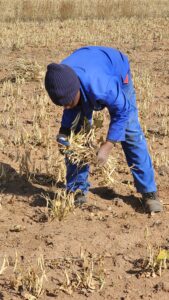
During the harvest season, the small white beans are pulled from the ground by hand and then packed into windrows to dry out for a day or two, before a combine harvester picks up the windrows.
The beans are then transported to a cleaning facility where stones and other foreign material are removed. The cleaning process is a dry process and no water is used during this step.
-
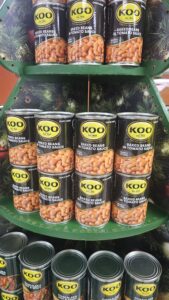
- KOO Baked Beans are in the cupboards of seven out of ten South African households.

-

- Millions of cans of KOO Baked Beans are delivered annually.
This is where the process for the best beans begins.
The beans are then sorted according to their colour and size. They are classified as a grade one, two or three. KOO only uses first grade beans for their Baked Beans.
During this step they look for broken or split beans, discoloration, dark spots and cracked beans to determine the quality of the beans.
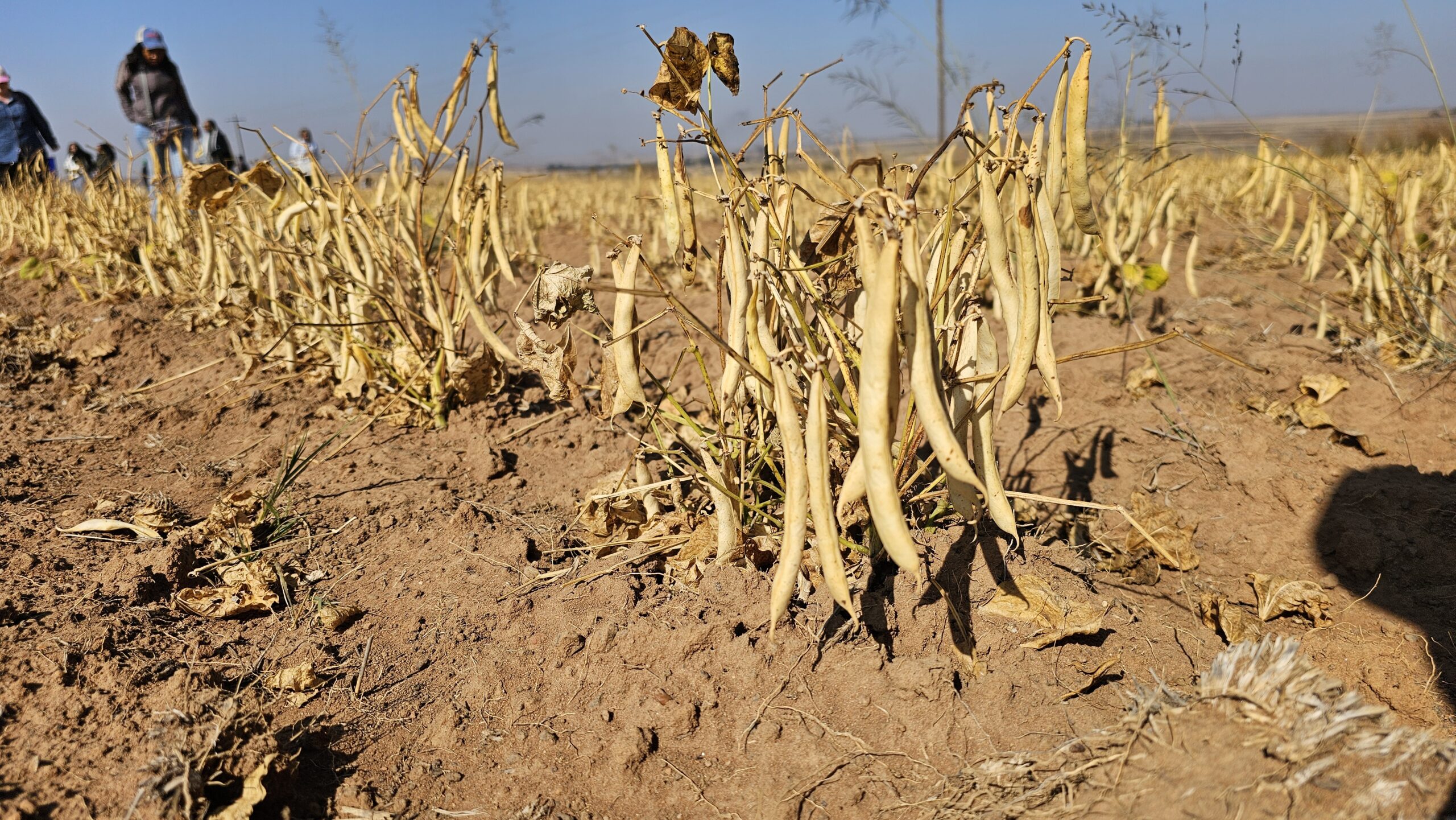
Small white beans are ready to be harvested.
“If the quality does not meet KOO standards, it is not put into our cans,” says Dumo Mfini, Managing Director of the Tiger Brands Culinary Manufacturing Site.
Then it’s time for the beans to be transported to the Tiger Brands Culinary Manufacturing Site in Boksburg. Here, the beans are sent through a dry cleaning process again to remove any remaining stones and foreign matter.
The beans are then sorted, washed and rinsed before being soaked in hot water for a few days to soften. After another sorting, they are placed in the famous KOO cans. The secret tomato sauce is then added and the cans are sealed.
The beans are cooked in the sauce inside the cans and then left to cool. KOO’s Baked Beans go through a ten-day incubation process before the quality team tests the batch and conducts micro-analysis to ensure that it meets KOO’s strict food safety measures.
From there, the cans get their labels. Conveyor belts transport the cans to labelling machines, where they are grouped into cases of twelve and sealed. The cases are then placed on a pallet, ready to be shipped to South African consumers.
Tiger Brands has six canning lines and five labelling lines at their manufacturing site, with KOO Baked Beans running on four of them. The canning plant can process 150 tonnes of small white beans per day and produces more than 240 million cans of KOO Baked Beans per year. They ship 424 pallets of Baked Beans to distribution centres every day.
The bean farmers
For the first time, Tiger Brands used thirteen farmers from the SE Holdings company, six of whom are female farmers, to plant their white beans during the 2024/2025 season. A total of 1 527 hectares of beans were planted.
These farmers are part of SE Holdings, a company established in 2014 to support emerging farmers across the country to create self-sustaining businesses and gain access to the market.
In total, the farmers from SE Holdings supplied 1 530 of the 19 000 tons of white beans needed this year.
“We know that farmers face many challenges, most of which are beyond their control. SE Holdings wants to help farmers overcome these challenges by using the solutions we offer.
“We are also very excited to announce that we are starting to use drone technology on farms. This will get the younger generation of farmers excited to return to the field,” says Mpumi Maesela, CEO of SE Holdings.
-

- Dumo Mfini, Managing Director of the Tiger Brands Culinary Manufacturing Site.
-

- Mpumi Maesela, Executive Officer of SE Holdings.