The first few weeks after planting can make all the difference to your harvest. The seed is in the ground, the first rains have arrived, and another growing season is officially underway.
Across Zambia, farmers watch their fields with anticipation, hoping that months of preparation, investment and hard work will translate into a successful harvest.
However, planting is only the beginning.
What happens during the first three weeks after planting can have a lasting impact on crop establishment, plant health and, ultimately, the yield a farmer takes to market. From monitoring germination and managing weeds to responding to changing weather conditions, the decisions made during this early stage can determine whether a promising season reaches its full potential.
For farmers growing maize, soya beans or sorghum, this period is particularly important. Young crops are vulnerable, and problems that may seem small today can become costly if left unattended.
The good news is that with careful monitoring, timely intervention and access to suitable agricultural machinery, farmers can give their crops a stronger start.
The first three weeks: A critical window for crop establishment
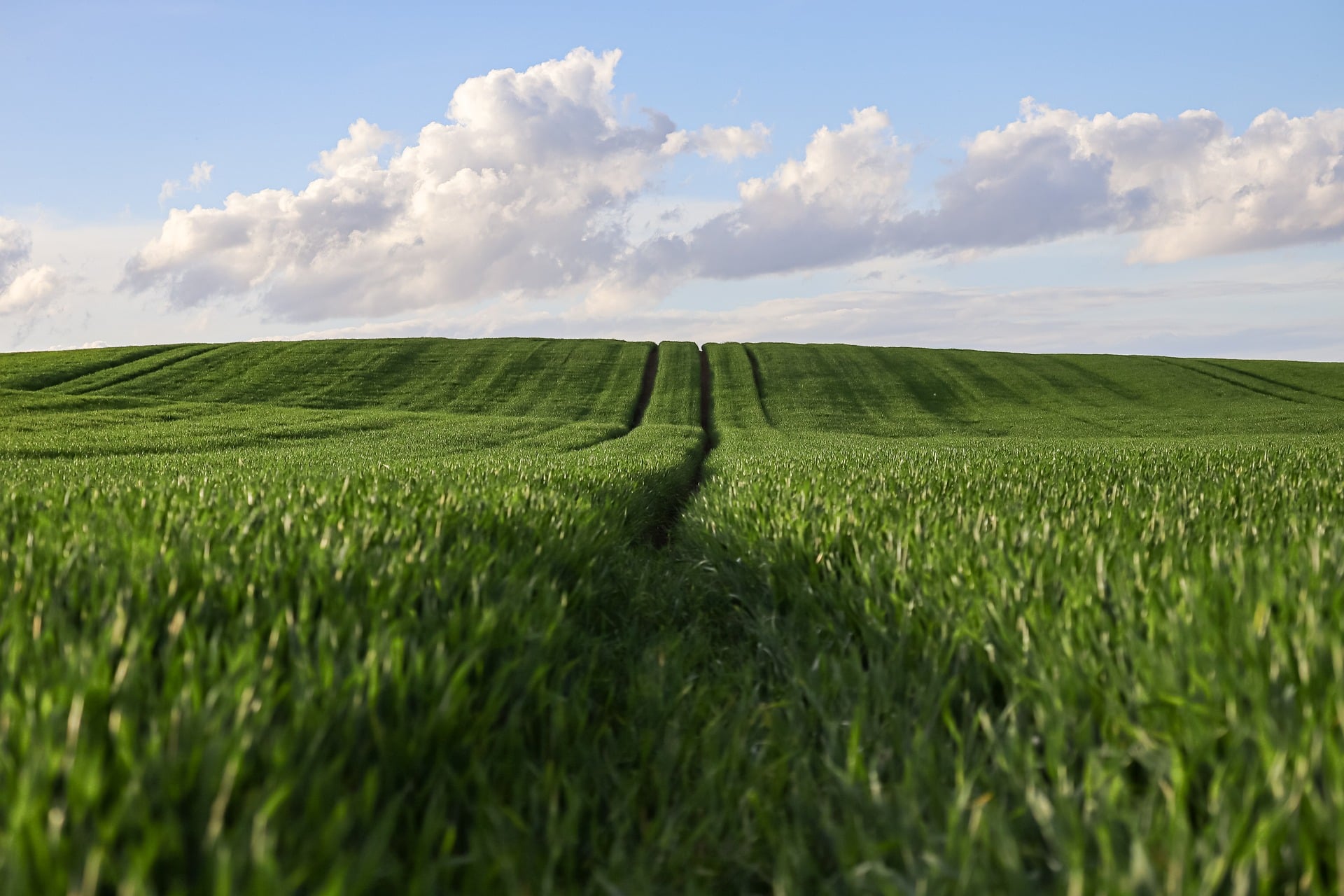
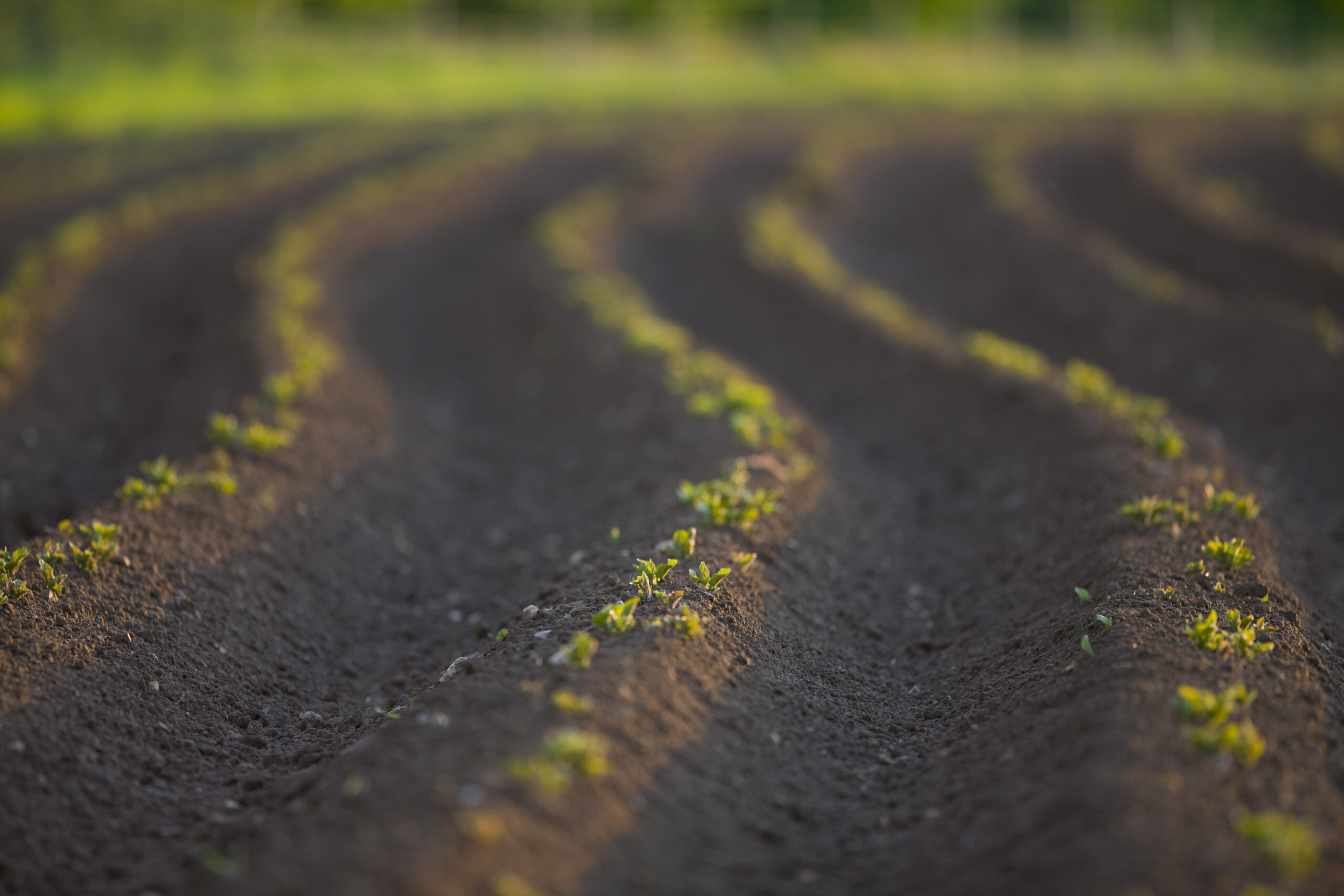
Once a seed has been planted, a series of important processes begins beneath the soil. Moisture activates germination, roots begin to develop, and young seedlings gradually emerge above the surface. Successful crop establishment depends on several factors, including soil moisture, planting depth, seed quality, soil conditions and temperature.
During the first few weeks, farmers should regularly inspect their fields to determine whether their crops are emerging evenly and developing as expected. Uneven germination, missing plants or yellowing seedlings may indicate problems such as poor seed-to-soil contact, waterlogging, pest damage or nutrient deficiencies.
Identifying these challenges early gives farmers the opportunity to investigate the cause and take corrective action where possible.
For example, heavy rainfall can leave certain sections of a field waterlogged, restricting oxygen availability around developing roots. On the other hand, insufficient rainfall after planting can delay germination and result in uneven crop establishment. Although farmers cannot control the weather, they can control how quickly they recognise and respond to its effects.
Weeds do not wait for crops to grow
One of the greatest threats to young crops is weed competition.
During the early stages of growth, weeds compete with crops for sunlight, nutrients, moisture and space. If left uncontrolled, they can restrict crop development before plants have had the opportunity to establish strong root systems.
This is particularly important in maize production, where early weed competition can significantly influence yield potential. Farmers should therefore begin monitoring weed pressure soon after planting rather than waiting until weeds become visibly established across the field.
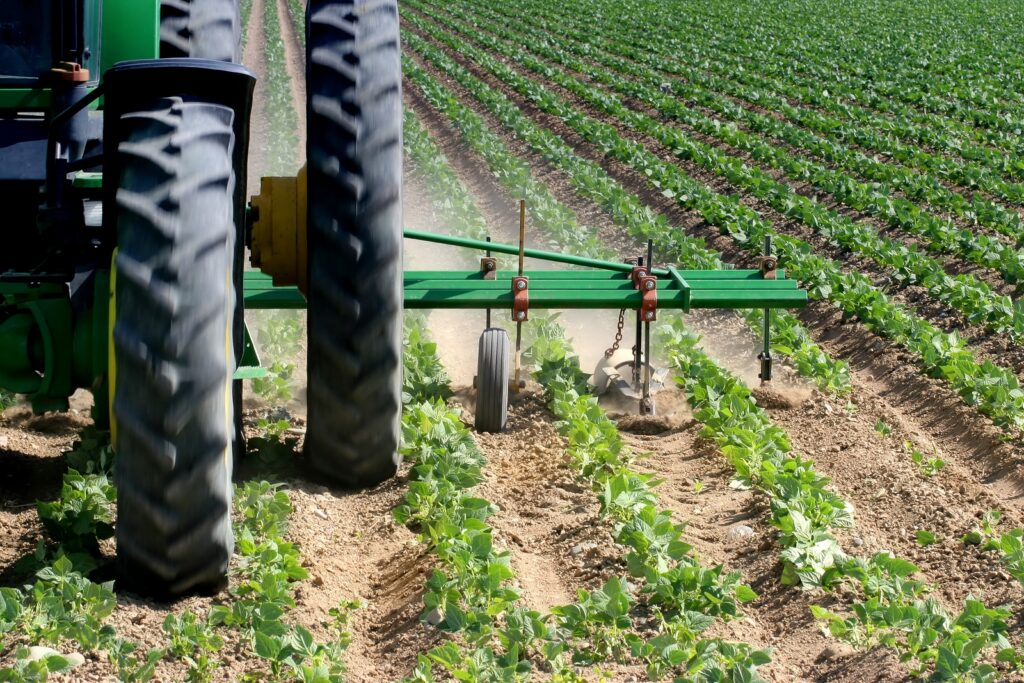
Depending on the crop, field conditions and farming system, timely herbicide applications or mechanical inter-row cultivation can help reduce competition.
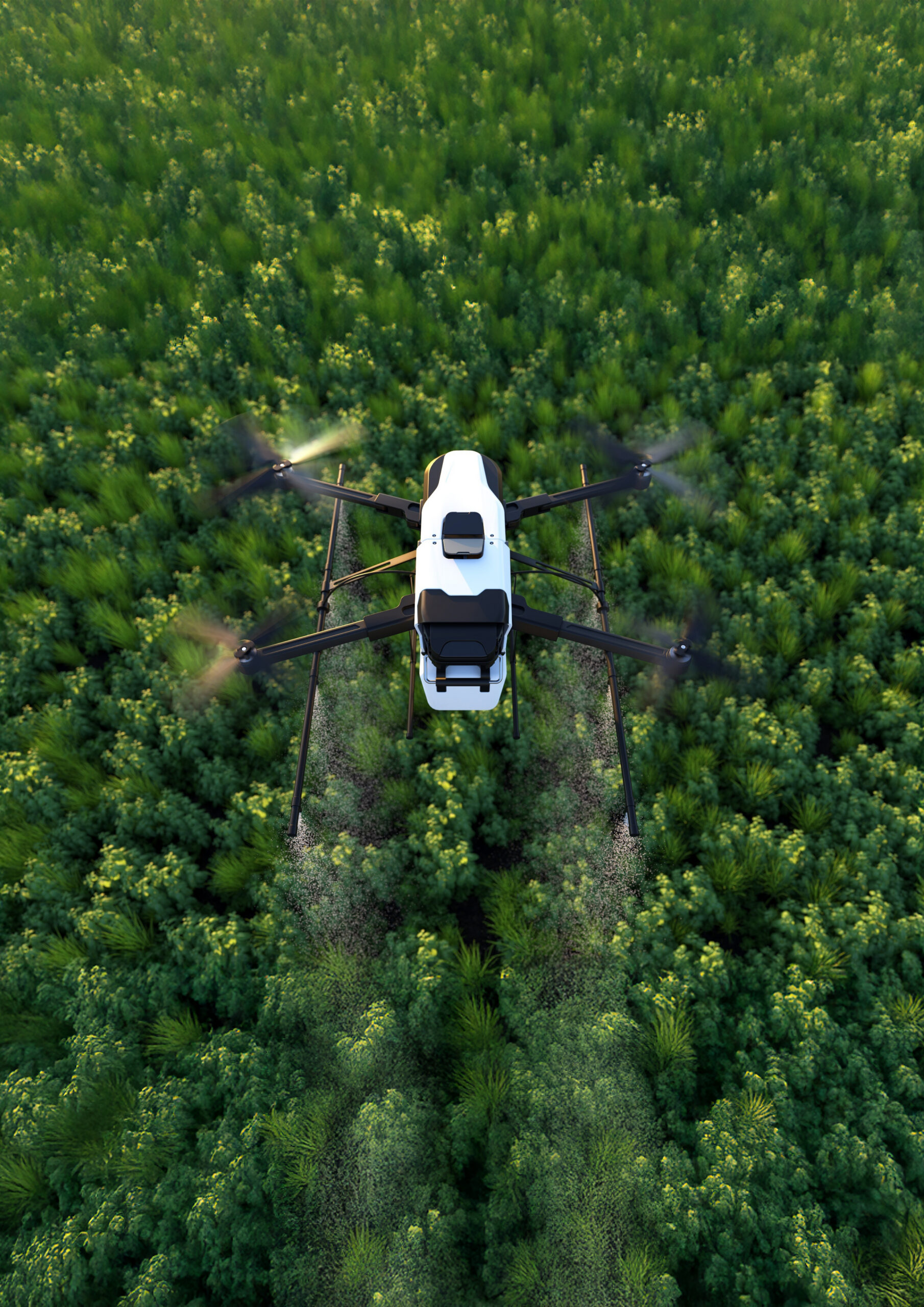
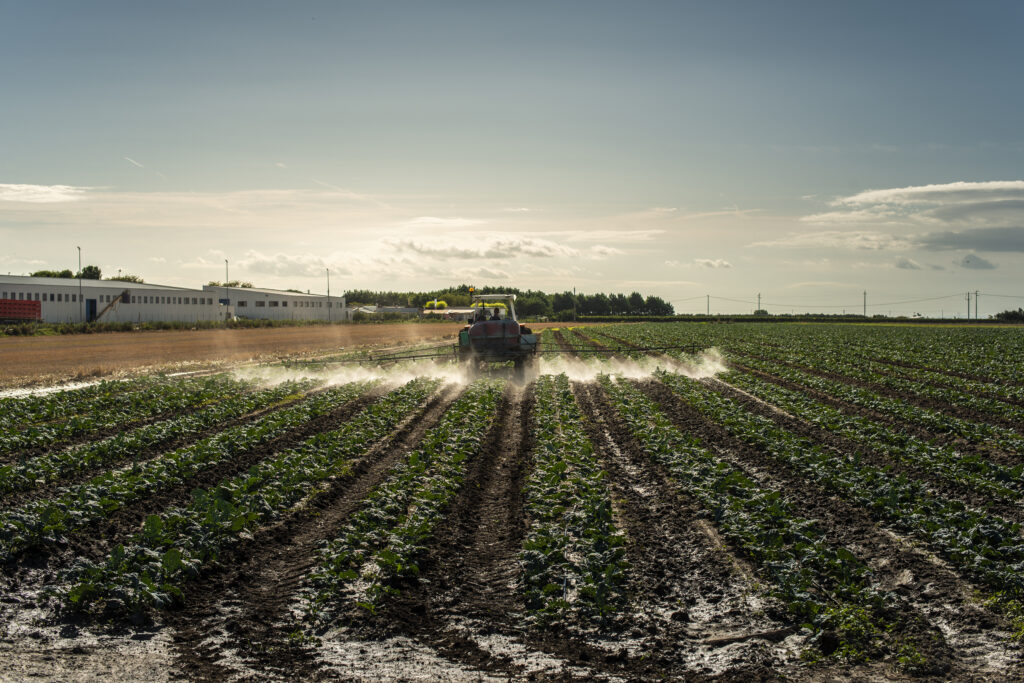
This is where mechanisation becomes especially valuable. A suitable agricultural sprayer enables farmers to cover larger areas efficiently and apply crop protection products at the appropriate growth stage. Similarly, inter-row cultivators can assist with mechanical weed management where crop spacing and soil conditions allow.
The objective is not simply to complete the work faster, but to carry out essential operations while they can still make the greatest difference.
Keep an eye on pests and plant health
As crops begin to emerge, farmers should also watch for signs of insect damage and disease.
Fall armyworm, for example, remains an important concern in maize production across many parts of Africa. Young larvae can feed on developing leaves, while more advanced infestations may cause considerable damage to the maize plants’ growing points.
Regular field scouting is essential. Farmers should inspect plants across different sections of their fields, paying attention to leaf damage, unusual discolouration and the presence of insects. Not every insect requires immediate chemical treatment. Correct identification, an assessment of infestation levels and advice from agricultural extension officers can help farmers decide on the most appropriate response.
When crop protection is necessary, having access to reliable spraying equipment can make a meaningful difference, particularly when treatment must be completed within a limited period. Even a delay of only a few days can sometimes allow a manageable problem to become considerably more difficult and expensive to address.
Why machinery matters after planting
Agricultural mechanisation is often associated with land preparation and planting. Tractors, ploughs, harrows and planters are essential tools for establishing crops efficiently, particularly where farmers manage larger areas.
However, the need for machinery does not disappear once the last seed has been planted.
Throughout the growing season, farmers may require sprayers for crop protection, cultivators for weed management, irrigation equipment to manage moisture shortages and tractors to support various field operations. The challenge is that many smallholder and emerging farmers cannot purchase every piece of equipment they may need due to financial constraints. Owning machinery also leads to additional expenses, including maintenance, repairs, storage and operational costs.
As a result, farmers may discover that some crops require urgent attention but that they cannot complete the work without immediate access to the necessary machinery. This is where equipment leasing can offer an alternative to outright ownership.
Instead of tying up significant capital in machinery purchases, farmers can explore leasing arrangements that allow them to access suitable equipment while managing their financial commitments.
Importantly, equipment requirements change throughout the agricultural calendar. A farmer who needed a planter at the beginning of the season may now require a sprayer, while another may be considering irrigation equipment to improve water management. Access to machinery should therefore be viewed as an ongoing part of farm management rather than a once-off consideration during planting.
AgLeaseCo: Supporting farmers beyond the planting season
At AgLeaseCo, the focus goes beyond helping farmers prepare their fields. The company recognises that building a productive agricultural business requires access to appropriate machinery throughout the farming cycle.
Through equipment leasing arrangements with approved suppliers, AgLeaseCo helps farmers explore opportunities to access agricultural machinery without necessarily having to purchase it outright.
This approach can be particularly valuable for farmers who want to expand their operations, improve efficiency or respond to changing equipment requirements as the season progresses.
For an emerging maize farmer, access to a suitable sprayer may support more timely crop protection operations. For a growing commercial operation, additional machinery may help improve field efficiency and reduce delays during important management periods.
By aligning equipment needs alongside financial planning, farmers can make more informed decisions about where to invest their available resources. After all, the objective is not simply to plant more hectares. It is to manage those hectares effectively, protect the investment already in the ground and build a farming operation that gets stronger with every season.
A successful harvest begins long before harvest day
The first few weeks after planting are a reminder that farming success depends on much more than getting seed into the soil.
Regular field inspections, early identification of problems, effective weed and pest management, and timely access to machinery all contribute to giving crops the best possible opportunity to thrive.
For Zambia’s farmers, the growing season is a period of constant decision-making. Conditions can change quickly, and the ability to respond at the right moment can affect both productivity and profitability.
With the right planning, practical management and access to suitable equipment, farmers can protect the work they have already done and move towards a more productive harvest.
Your crop is in the ground. Now is the time to help it grow.
Speak to an AgLeaseCo representative about your equipment needs for the season ahead.
AgLeaseCo Zambia
WhatsApp / Call: (+260)763-093-429
Email: impact@agleaseco.com
Facebook: AgLeaseCo Zambia