As temperatures begin to drop across South Africa, it’s time for livestock farmers to start thinking about winter readiness. Harsh conditions can take a toll on animal health and productivity, which is why proactivity is key.
From ensuring adequate feed supply and shelter to adjusting nutrient intake, winter planning can make all the difference in maintaining herd health and profitability during the colder months.
“Whether your cattle grazes on cultivated pasture, hay or crop residue, it is important to evaluate your feed inventory during early autumn to establish whether you have enough feed to comfortably make it through the winter,” says Jaco Liebenberg, Technical Manager (Feedlot) at Beefmaster Group. “This is usually done during February and March, but if you have not yet done so, determine how much of your herd your feed stocks can carry into the calving season and adjust accordingly as soon as possible. Either buy more feed or reduce your herd size. Consult with a grazing expert if you are unsure whether you have sufficient reserves available.”
Liebenberg urges farmers to wean calves based on pasture quality and quantity to ensure optimal use of resources.
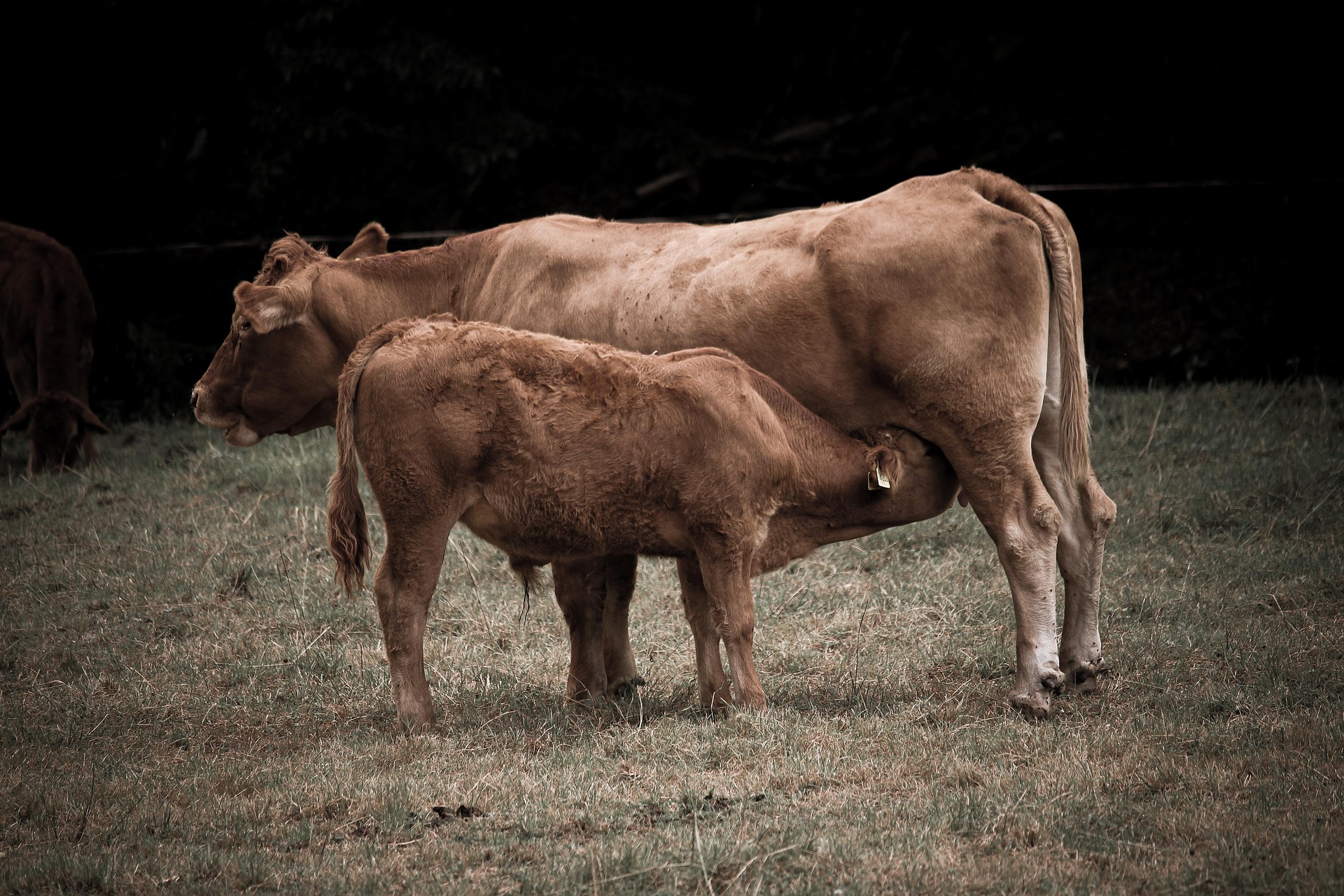
“When pasture quality declines below levels that support calf growth, or feed quantities drop to a point where calves cannot compete with cows for available forage, calves will start losing body weight. At this point it is both beneficial and economical to wean the calves, because it is easier and more economical to supplement the calves than the whole herd,” Liebenberg says.
“This step will also extend the grazing period for the cow herd, as well as reducing the extent of body weight loss in the cow herd, especially for first calf heifers.”
Autumn is also the time to do pregnancy test on the cows and heifers, and to market those that are open or will calve late.
“Open cows are too expensive to maintain on limited and costly feed resources, as well as cows that will calf outside a 90-day calving window. Late calves will generally wean small calves and it will be difficult for them to reconceive in time for the next season.”
Assess body condition and group animals with similar nutritional needs together to maintain condition efficiently.
“If possible, group thinner cows with first time pregnant heifers after weaning. Place them in the camps with the most abundant and best quality grass. This way, the higher nutritional requirements of growing heifers are met, and thin cows have the opportunity to gain weight and be in a better condition for calving,” Jaco explains.
He also emphasises the importance of ensuring optimal animal health, including vitamin and mineral supplementation, deworming and vaccinations.
“At weaning, treat cows for internal and external parasites acquired during the summer and autumn grazing seasons, as these increase their feed requirements and disease susceptibility during winter.
“Autumn is also a good time for annual vaccinations; consult your local veterinarian to determine which vaccinations are necessary and which products are most effective in your area.”
Liebenberg cautions that vaccinating pregnant cows can be a double-edged sword, as some vaccinations may endanger unborn calves. “However, vaccination is crucial to safeguard the pregnant cow against infection, as well as passing on some immunity to the calf through colostrum.” Clostridial vaccine and vaccine for Bovine Respiratory Disease are among the most common vaccines given to pregnant cows.
In order to address potential nutritional deficiencies during periods of reduced pasture quality and increased energy demand, Liebenberg urges farmers to consider a winter vitamin and mineral programme for cattle, as vitamins are crucial for immune function, reproduction and overall health.
“This typically includes supplemental vitamin A, D and E, along with minerals such as calcium, phosphorus and trace minerals. Macro minerals are essential for bone health, milk production and overall metabolic processes. Trace minerals are vital for various bodily functions and immune response,” Liebenberg explains. He urges farmers to consult a local veterinarian or animal nutritionist to develop a tailored feeding programme, based on your location, feed sources and animal health status.
“You may need supplemental licks for each stage of production – post weaning (dry cows), the last month of gestation, calving and rebreeding, as well as supplemental nutrition for winter. Winter licks supplement nutritional deficiencies caused by less abundant and lower quality grazing. They typically provide protein, energy and minerals to stimulate rumen microbes and improve the utilisation of low-quality pastures.
“These are an effective solution when a cow’s feed intake does not increase sufficiently to compensate for the drop in temperature to prevent loss in body weight and condition,” Liebenberg concludes.