South Africa’s construction and mining industries are evolving toward electric vehicles in the future. With rising fuel costs, growing sustainability demands and the global momentum toward electrification, ELB Equipment is driving the introduction of fully electric earthmoving machines in market. This shift is not only a sustainable move but comes with real-world benefits like fuel and maintenance cost savings.
A strategic partnership
ELB Equipment’s decision to partner with LiuGong in late 2024 has already reshaped their business.
“We partnered with LiuGong at the end of 2024, and strategically this was definitely the right move for us. Their quality is exceptional, the range of equipment is superb, and we can effectively supply every segment of the market. We’ve gained a lot of market share over the last two years,” reflects Desmond van Heerden, CEO of ELB Equipment.
Previously, they were a multi-brand distributor, and ELB found it challenging to balance the smaller manufacturers. Partnering with one global brand like LiuGong gave them buying power, international strength and brand recognition.
“Just about every client that we had with our legacy brands before has moved over to buying LiuGong from us,” Desmond adds. “We’ve also established relationships with new clients, including big corporates where brand recognition is critical.”
Why now is the time to go electric
LiuGong has been pioneering battery electric vehicles (BEVs) since 2016, giving the company unmatched experience in electrification. For South Africa, the timing aligns with several key trends:
- Fuel price increases are reducing profitability across industries.
- Solar energy adoption is accelerating, with banks financing private solar farms.
- Grid stability has improved, reducing fears of load-shedding.
“It’s about changing the mindsets of our customers. Just as the automotive industry shifted toward electric, we believe construction and mining can too. By partnering with mines that already have electrical capacity, often linked to solar farms, we can integrate electric machines seamlessly,” explains Keon Kardolus, Divisional Director at ELB Equipment.
Keon believes the combination of rising fuel costs and the growth of private solar farms creates the perfect storm for electrification. Mines and construction companies that invest in renewable energy can now pair that with electric machines, reducing both emissions and operating costs.
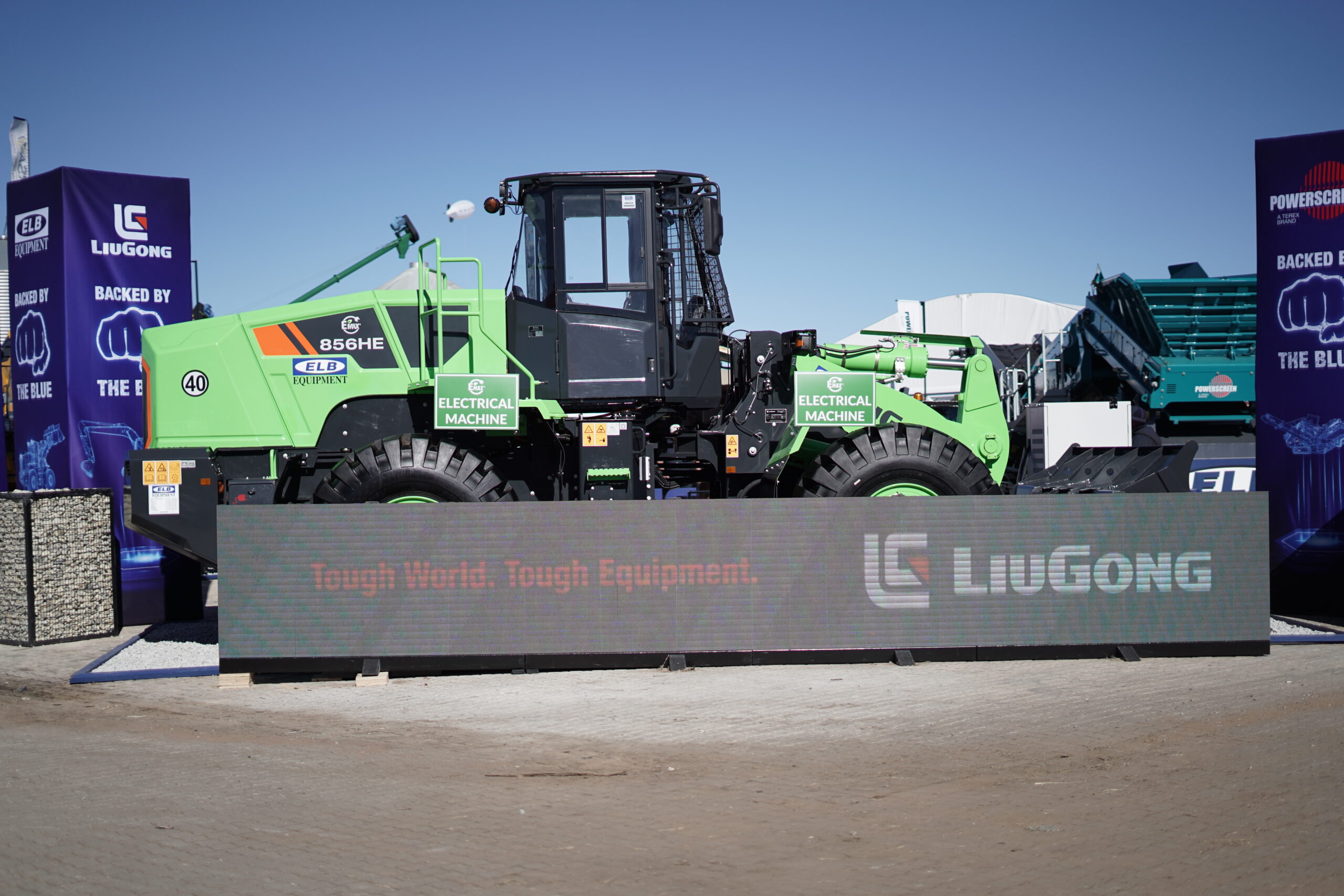
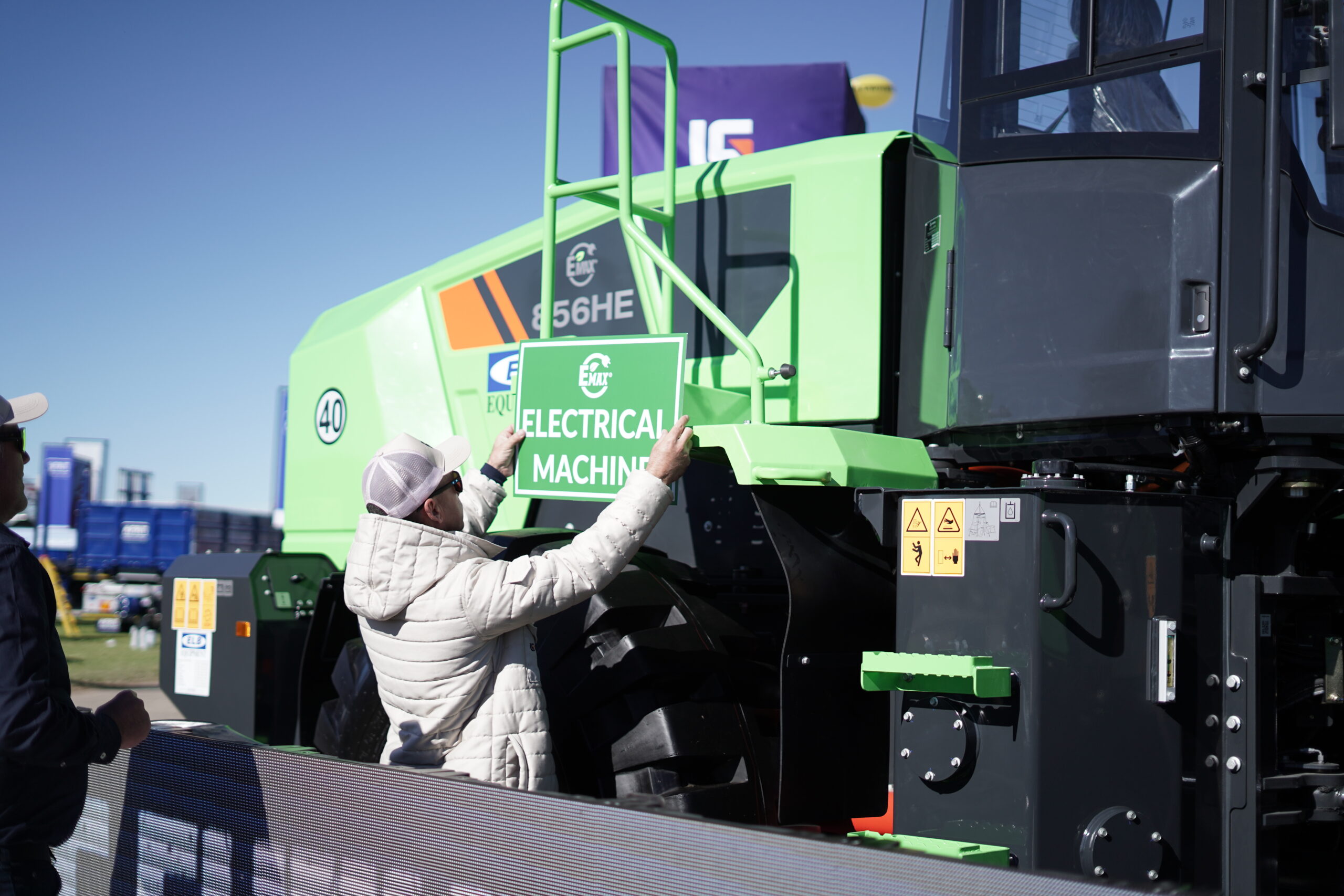
Starting with the 856HE Wheel Loader
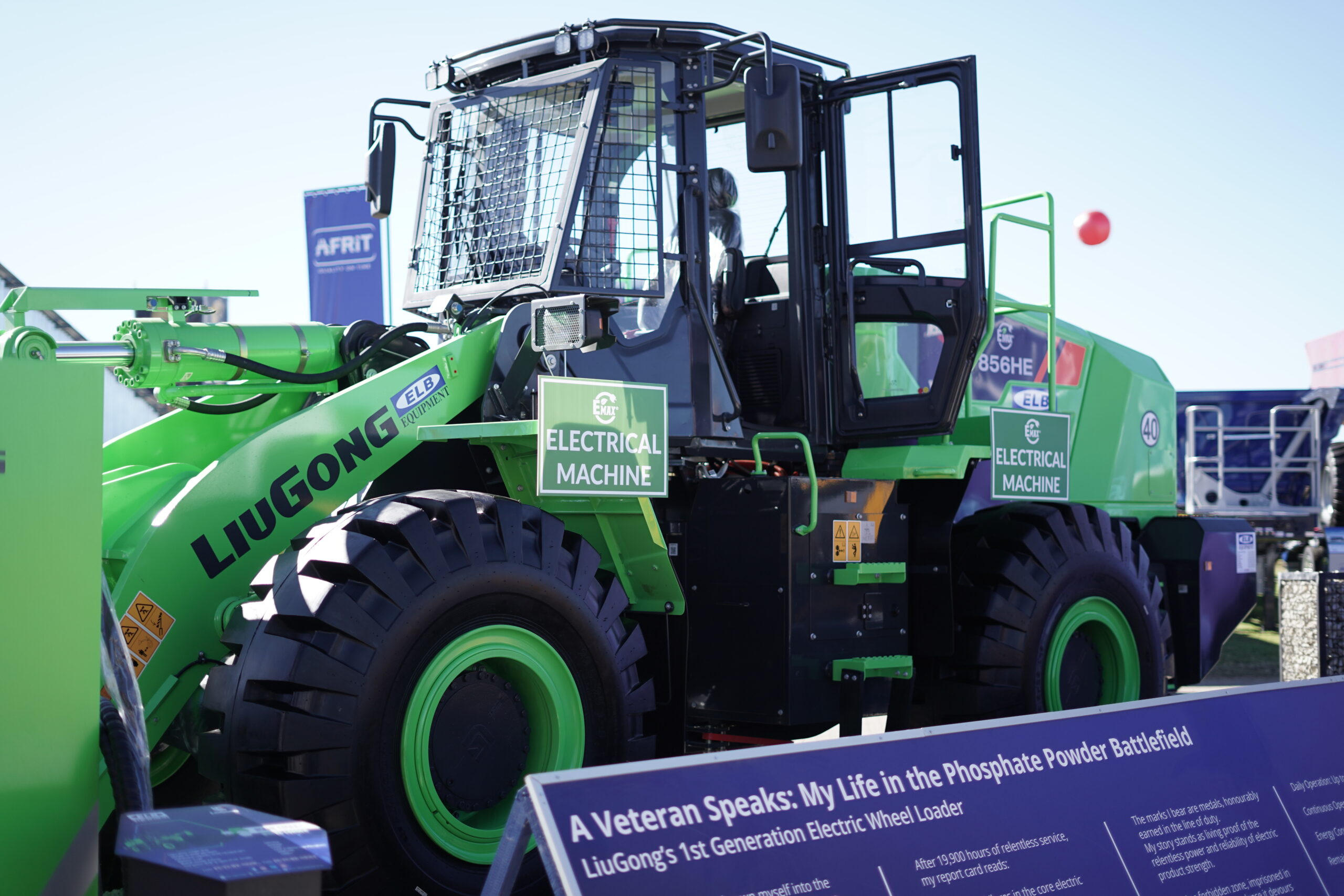
ELB has chosen LiuGong’s 856HE Electric Wheel Loader as the first machine to be introduced to the local market, as wheel loaders are versatile and widely used around plants. LiuGong’s first-generation electric loader has already proven itself in China.
Keon recalls the story of one of the first-generation electric wheel loaders that gave him the confidence to say that these machines will work in South Africa.
“A 2022 856HE first-generation electric loader worked in a phosphate mine in China, accumulating 19 900 hours. Even after that, the battery still had 86,3% health. That story gave me the guts to try something new in South Africa,” he explains.
By starting with wheel loaders, ELB is focusing on a segment of the industry where LiuGong already has a reputation for reliability. Other electric ranges exist, but the strategy is to build gradual confidence.
Beyond machines: A partnership approach
Keon emphasises that ELB is aware that electrification is not a one-size-fits-all solution. Instead, they aim to partner with clients, tailoring machines to specific sites and infrastructures.
“We’re not just going to supply a machine and run away,” he says. “The idea is to partner with the right company that has the right infrastructure and see how we can save them money in the long run.”
This approach is critical because mines and construction companies vary in their readiness for electrification. Some already have renewable energy capacity, while others will need to adapt. ELB’s strategy is to identify the right partners and demonstrate long-term savings with the electric machines.
Overcoming infrastructure concerns
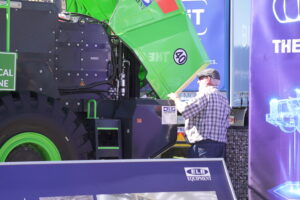
Sceptics often point to South Africa’s infrastructure challenges as a barrier to electrification. Keon acknowledges these concerns but believes that these challenges can be overcome.
“I think that our infrastructure is definitely on everyone’s minds. But once again, I turn back to the automotive industry. It’s about changing mindsets. Our strategy is to bring in a few machines, start testing, and spec units to specific mines that have the necessary electrical capability.”
He points out that many companies have already started shifting toward solar energy, and banks are financing privately owned solar farms. With Eskom stabilising the grid and fuel prices rising, the conditions are aligning for electric machines to succeed.
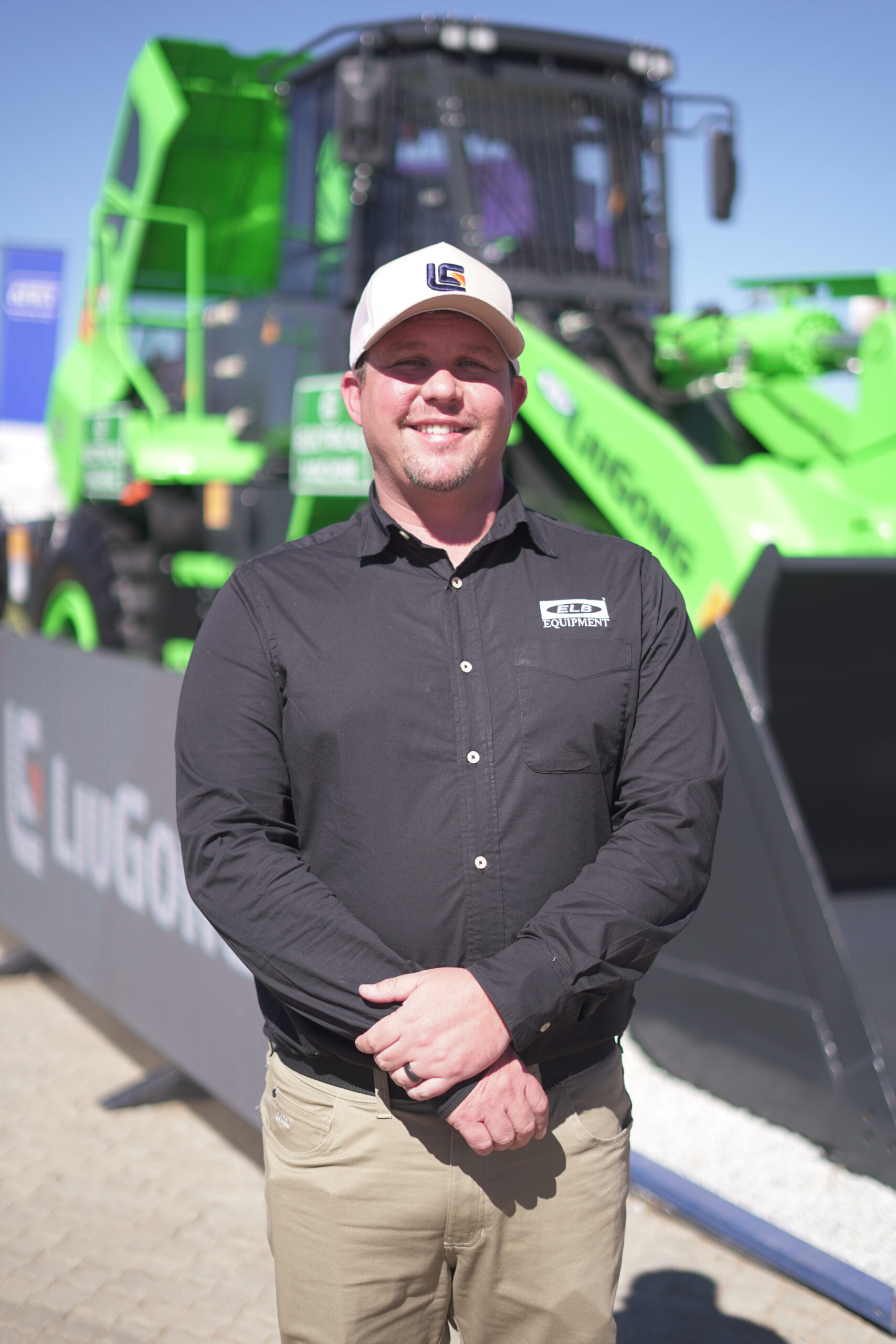
Keon Kardolus, Divisional Director at ELB Equipment.
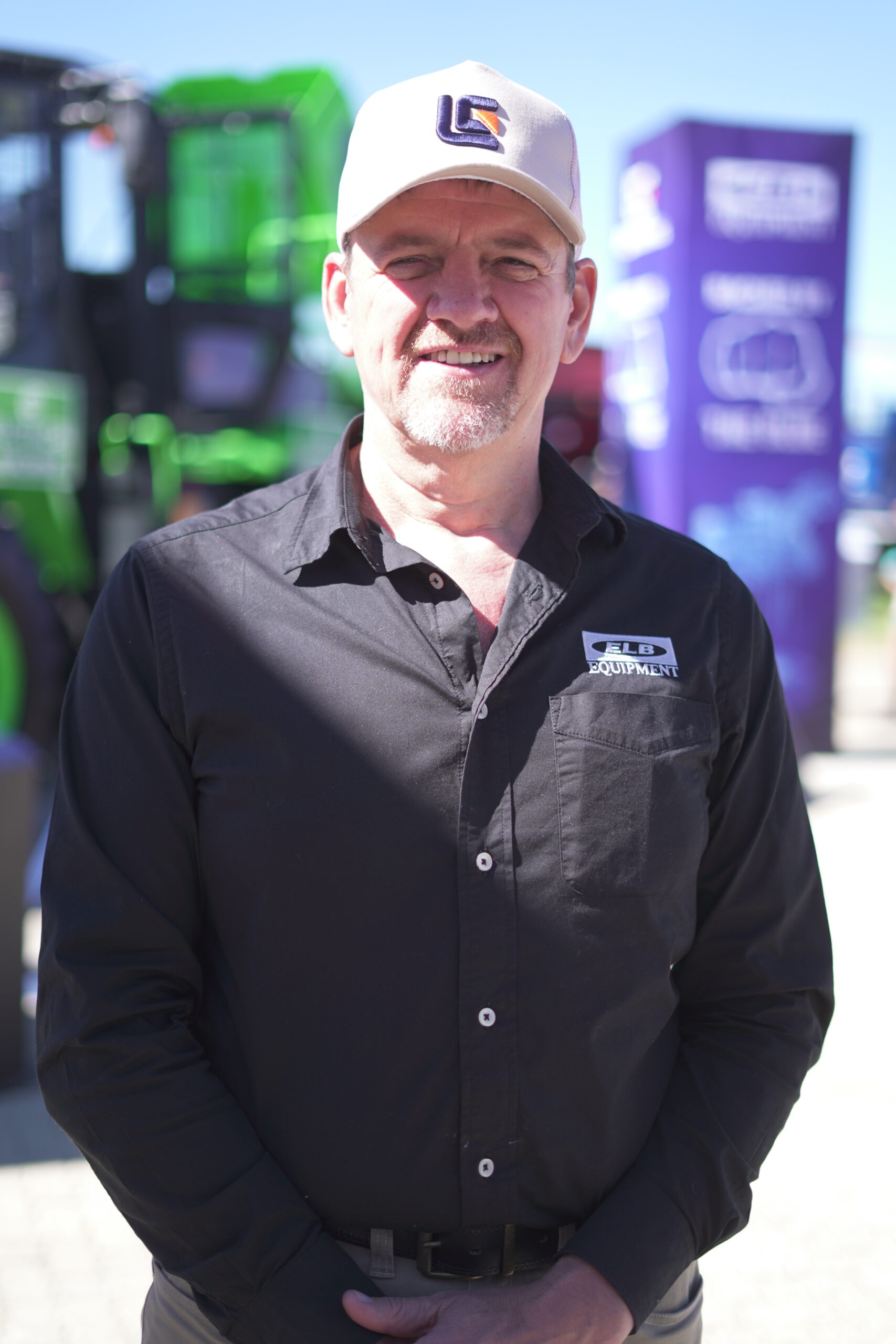
Desmond van Heerden, CEO of ELB Equipment.
The bigger picture
By introducing fully electric machines, instead of hybrids, LiuGong and ELB are offering a competitive advantage in sustainability. This aligns with global net-zero goals and positions South Africa as a potential leader in green mining solutions.
“We strongly support the concept of green net-zero emissions for mines,” Keon says. “It’s something that very few can currently offer, and it’s going to take us to the next level.”
The move also reflects a broader trend where industries worldwide are recognising that sustainability and profitability can go hand in hand. For South Africa, electrification could reduce dependence on volatile fuel markets, cut emissions and enhance competitiveness in global mining and construction.
The idea of electric LiuGong machines in South Africa is more than a technological shift. It’s about reshaping mindsets and proving that sustainability and profitability can coexist. With ELB Equipment’s strategic partnership and LiuGong’s proven technology, the country can lead the charge in the electric era.