Senegal, the westernmost country in West Africa, is situated along the Atlantic Ocean. It borders Mauritania to the north, Mali to the East, Guinea to the southeast and Guinea-Bissau to the southwest. The Senegal River forms the northern border. The country nearly surrounds the Gambia, situated along the banks of the Gambia River, and which separates Senegal’s southern region of Casamance from the rest of the country. The capital is Dakar.
The country consists mainly of the sandy plains of the Sahel. The northernmost part of the country is the Lompoul desert, which has quite a hot desert climate, the central part, which has a hot semi-arid climate and the southernmost part, which has a tropical wet and dry climate.
The tropical climate makes it sunny and dry, with a defined wet and dry season. The dry season is characterised by hot, dry harmattan winds prevalent from the end of November to March. In Dakar, the annual rainfall is about 600 mm and occurs between June and October when temperatures range from 24,2 to 30 °C and in December to February between 18 and 25,7 °C.
Interior temperatures are higher than along the coast, averaging between 30 °C and 32,7 °C. Rainfall increases substantially further south, exceeding 1,500 mm annually in some areas. Near the Mali border where the desert begins, temperatures can soar to 54 °C.
Agriculture
Extreme drought has an influence on agriculture, which employs about 75% of the population. Very little of the country is under irrigation and subsistence farmers are reliant on rain-fed agriculture for their needs.
Millet, rice, maize and sorghum are primary food crops, but these are subject to droughts and pests including locusts, fruit flies, white flies, and birds.
The country is a net importer if rice. Peanuts, sugarcane and cotton are cash crops, and a wide variety of fruits, including melon and mango, and vegetables, including green beans and tomatoes, are grown for local and export markets.
The fishing sector is the country’s main economic resource and major foreign exchange earner, while the livestock and poultry sectors are relatively underdeveloped. Most of the country’s milk and dairy products are imported.
The Senegalese cuisine consists of many dishes containing rice as base, with fish, meat and vegetables rounding off dishes. There is a French influence from the time of French colonialism, as well as from other West African countries.
Besides fish, beef, lamb, chicken and eggs are used in the country’s cuisine, along with peanuts, couscous, white rice, sweet potatoes, lentils, peas and black-eyed peas. Meats and vegetables are typically stewed or marinated in herbs and spices and served over rice and couscous or with bread.
Lunch and dinner
Thieboudienne, Senegal’s national dish, consists of rice cooked with tomato sauce and nokos, which is a mixture of fiery spices, onions and garlic and fresh herbs. The rice is served with fish and vegetables, including carrot, cabbage, cassava, eggplant, okra, and turnip, simmered in the tomato sauce. The dish is sometimes accompanied by an onion sauce, called diaga, which consists of diced carrots, fish balls, and a spoon of tomato paste. Thieboudienne is served on a large plate from which the whole family eat it with spoons.
Thiebou Diola or C’est Bon, which is French for ‘that’s good’, consists of grilled fish and dried shrimp, clams and mussels, cooked with rice. The dish is served with moyo sauce, which is made with diced raw onion, sweet peppers and chili, and seasoned with mustard, salt, pepper and vinegar, as well as boiled and mashed okra seasoned with salt and pepper.
Thiebou Yapp is the meat version of Thiebou Dieun, but without vegetables. The meat is braised, then boiled in water with meat broth and nokos, with rice added when the meat is starting to boil.
Kandia is soup made with okra, palm oil, white rice and fish. The dish is served with souloukhou, a peanut butter sauce, to which some people also add a few okras.
Yassa Guinar or Dieun is a chicken or fish dish. Once again, the dish is based on rice served with an onion sauce with nokos, mustard and lemons. It can be served with braised or grilled fish or chicken, stuffed with nokos.

Mafe, also spelled maafe, is a dish combining white rice and a savoury sauce made with peanut butter, meat, potatoes and tomato paste.
Mafe is a combination of white rice and a sauce made with peanut butter, meat, tomato paste, potato, and sweet potato that is simmered for a few hours.
Domoda is as stew based on a fragrant lemon sauce with beef, veal, lamb, and balls of fish cooked in a sauce of tomato paste, onions, vegetables, and a lot of lemons. Once cooked, the dish is thickened with a flour and water paste.
Thiere is often prepared with two types of meat and served with a sauce made by simmering the meat with vegetables including potatoes, sweet potatoes, white beans and dates, and served with millet couscous.
Vermicelle poulet is steamed broken vermicelli, chopped onions, and braised chicken or lamb.
Dakhine is made with meat, peanut paste, oil, rice and vegetables.
Bassi-salté is a traditional stew consisting of seasoned meat, cooked with tomato paste and vegetables and served over saadi or chere, which is traditional millet couscous.
Capitaine à la Saint-Louisienne is perch stuffed with spices.
Caldou is a sauce with fish and vegetables.
Senegalese street food
Dibi is a piece of grilled lamb that is cooked en papillote, which means it is steamed in a parchment packet in the oven, before it is grilled and served with onion rings. These are often sold at a gargote or informal restaurant, also called a dibeterie, on the streets of Dakar.
Pastels and fataya are salted fish fritters dipped in tomato sauce made with tomato, onions and garlic, while fataya is made with ground beef instead. This is another popular cheap and tasty street food.
Acara or acaraje, refers to deep-fried fritters made with black-eyed peas, peppers, onions, salt, and seasoning cube.
Madd is regarded as one of the best street foods of Senegal. The maad is the fruit of a creeping plant or vine Saba senegalensis that grows along streams or which is cultivated as a shrub. The fruit contains seeds coated with a very mellow, yellow juicy pulp that taste both tart and sweet. It can be eaten in the natural state or with sugar, salt and pepper. When mixed with water and sugar, the fruit make a delicious juice.
-
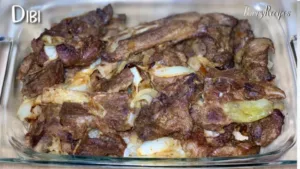
- Dibi are lambchops steamed in parchment paper and sold as streetfood at dibeterie, or informal restaurants on the streets of Dakar.
-
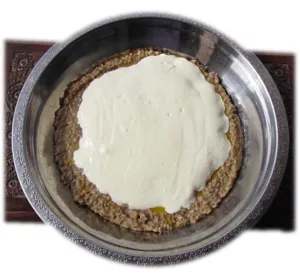
- Lakh is a popular breakfast porridge made with millet and served with sugar, buttermilk and ground nutmeg.
Senegalese sweets
- Lakh is a popular breakfast porridge of millet served with sugar, buttermilk and ground nutmeg.
- Sombi is rice pudding made with coconut milk that is a favourite with children.
- Ngalakh consists of peanut butter and baobab juice eaten with couscous.
- Thiakry consists of couscous eaten with yogurt.
- Cinq centimes or five-cent cookie is a peanut cookie popular in marketplaces.
Senegalese juices
Bouye juice is a popular drink made with the fruit of the baobab, the most recognisable tree on the African savannah – hence the slightly acidic taste of the juice.
-
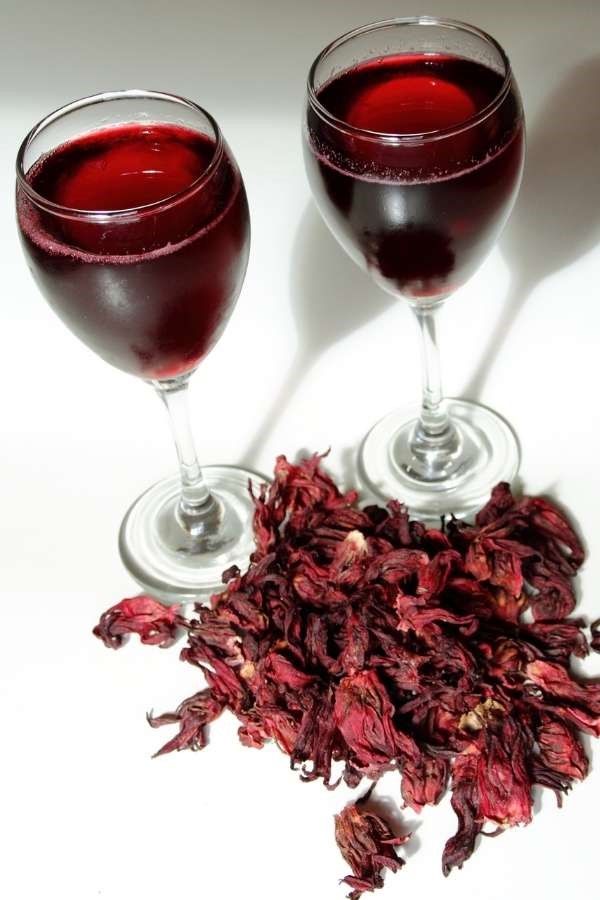
- Bissap is a popular juice made with hibiscus flowers, sugar and water.
-
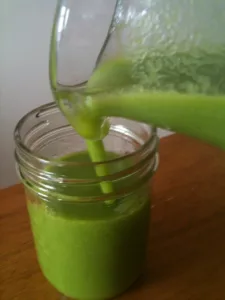
- Ditakh juice is made from the fruits of Detarium Senegalense, which is a lovely applegreen and is very high in Vitamin C.
Bissap refers to a species of hibiscus called Hibiscus sabdariffa, also called Guinean sorrel or reed. The shrub is usually between one and two metres tall and once the flowers have fallen, purple chalices appear. The drink is prepared with the hibiscus flowers and mint leaves and sometimes orange blossoms and can be enjoyed warm or cold.
Ditakh juice is prepared from the fruits of Detarium Senegalense. The apple-green juice is rich in vitamin C and is believed to have medicinal value, particularly against coughs, angina, and general aches and pains. Other juices include dakhar or tamarind juice, and gingembre or ginger brew.
-
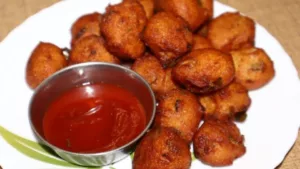
- Acara, which refers to deep-fried fritters made with black-eyed peas, is a cheap streetfood snack.
-
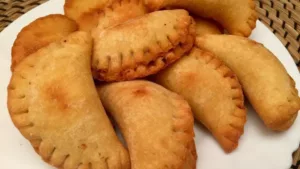
- Pastels are salted fish fritters dipped in a tomato sauce.
Source references
Senegalese Cuisine
https://en.wikipedia.org/wiki/Senegalese_cuisine
Senegal
https://en.wikipedia.org/wiki/Senegal
Ngom, F. (2021) Top 20 Most Popular Senegalese Foods & Dishes. Food
Posted on Oct 4th, 2021
https://www.chefspencil.com/senegalese-foods/
(Source: https://www.chefspencil.com/senegalese-foods/)