Sustainable food systems in Africa cannot be achieved through agriculture alone. This was the powerful message from Dr Peter Babyenda of Uganda’s Makerere University, who called for the integration of natural capital and ecological-economic modelling into food systems transformation. Speaking during a high-level discussion hosted by the Africa-Europe Cluster of Research Excellence in Sustainable Food Systems (CoRE-SFS), in collaboration with the University of Pretoria (UP), Dr Babyenda stressed that transforming food systems requires a coordinated approach that connects environmental, health, trade, and industry policies.
He argued that recognising nature as an economic asset is essential if the continent is to feed a growing population without compromising the ecosystems that underpin agriculture. “We must shift our thinking from seeing nature as an externality to embedding it at the core of food systems policy and planning,” Dr Babyenda said.
The event brought together leading academics and policy experts to explore how Africa can harness nature to secure a sustainable food future. Among them was Professor Arndt Feuerbacher of the University of Hohenheim in Germany, who joined Dr Babyenda in advocating for a systems-based approach to food security that aligns with both the United Nations’ 2030 Agenda for Sustainable Development and the African Union’s Agenda 2063.

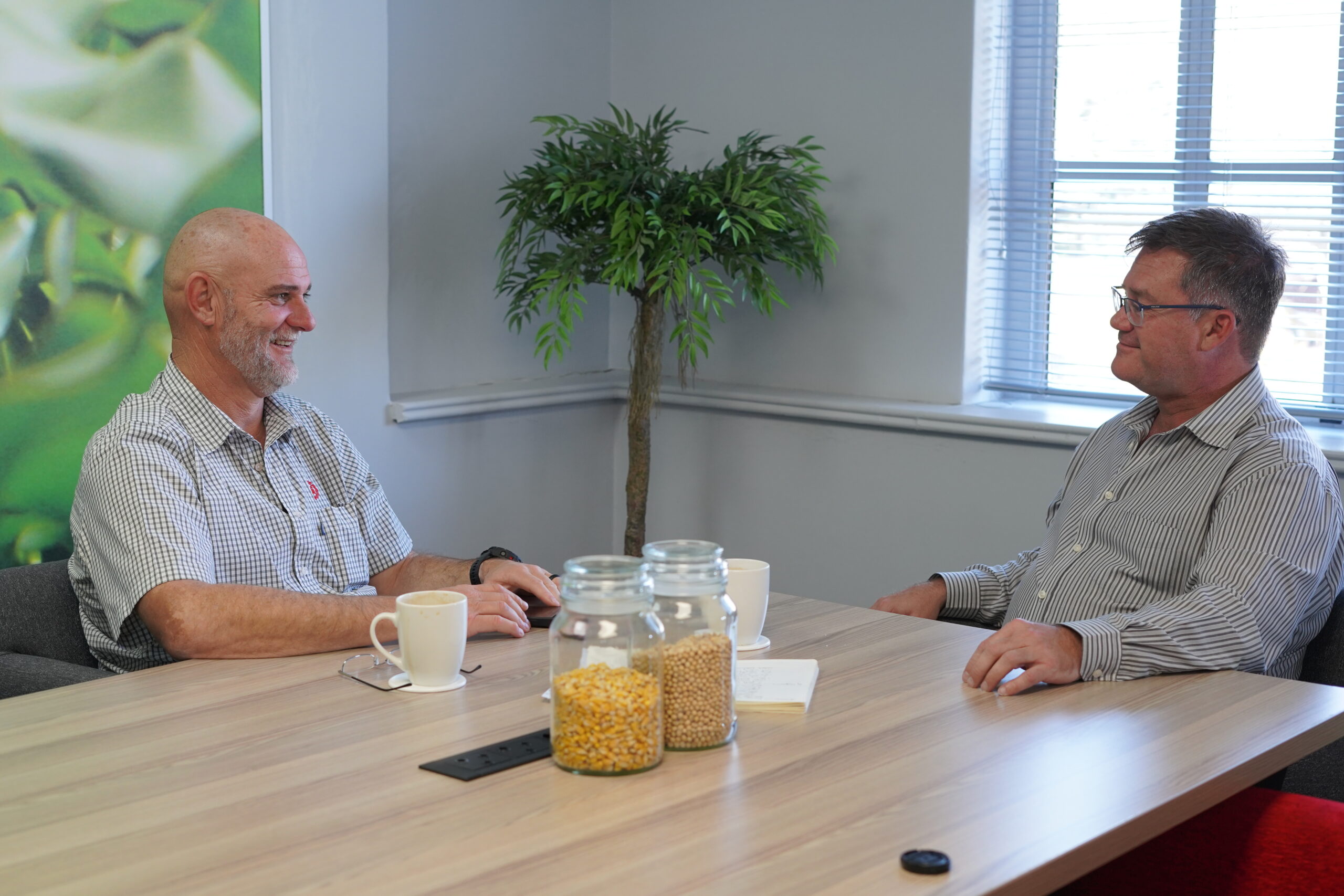
Dr Peter Babyenda
“If we treat agriculture in isolation, we risk reinforcing food insecurity, accelerating ecological decline and undermining public health,” he said. “Systems thinking is not optional – it’s essential.”
Central to his argument is natural capital modelling, a method that quantifies nature’s contributions to society. By assigning value to essential ecosystem services such as pollination, water purification and carbon sequestration, governments can better assess policy trade-offs. This is particularly vital in African economies, where agriculture is closely linked to natural ecosystems.
Uganda offers a practical example. Its Ministry of Finance, Planning and Economic Development has begun integrating natural capital into macroeconomic models, drawing on data from the Uganda Bureau of Statistics. However, progress is hindered by data gaps, limited technical expertise and little awareness of natural capital accounting methods.
To accelerate impact, Dr Babyenda proposed three key strategies: valuing nature within national policy frameworks, addressing data gaps through technologies such as remote sensing and community monitoring, and strengthening institutional capacity through targeted training and inter-ministerial collaboration.
“We need to democratise environmental data from remote sensing to citizen science,” he said. “The tools exist; we just need to align them with policymaking.”
Complementing this perspective, Prof Feuerbacher demonstrated how ecological-economic modelling can further refine policy decisions. His work, particularly through the Behavioural Change Towards Climate‐Smart Agriculture (BEATLE) project, bridges agricultural markets and ecosystem dynamics using tools like computable general equilibrium models and InVEST software.
One compelling case study explored the impact of pollinator decline on cocoa production in West Africa. In Ghana, falling pollinator populations led to reduced yields and significant welfare losses for poor households. This also triggered price increases that benefitted producers in unaffected regions, revealing the complex and uneven consequences of ecosystem disruption.
Prof Feuerbacher noted that biodiversity reforms often stall because decision-makers lack reliable data on both ecological services and market reactions.
“The missing link is evidence,” he said. “Without understanding how environmental change ripples through markets and livelihoods, we are designing policies in the dark.”
The speakers concluded that by embedding natural capital and ecosystem services into policy and planning, African countries can design food systems that are not only productive and resilient, but also equitable and ecologically sound.