Veterinary authorities in Zimbabwe have confirmed an outbreak of foot-and-mouth disease (FMD) in Mangwe district, Matabeleland South province, heightening concern across Southern Africa as neighbouring countries intensify measures to prevent the highly contagious livestock disease from spreading further.
The outbreak was officially detected on 5 January 2026 at the Maholi and Hannavale dip tanks in Mangwe, an area located close to the Botswana border. Zimbabwe’s Directorate of Veterinary Services confirmed the development in an official communication circulated to directors of veterinary services within the Southern African Development Community (SADC).
Chief director of veterinary services, Pious Makaya, said investigations indicate that the source of the infection may be buffaloes that were sighted in communal grazing areas approximately two months before the outbreak was detected.
“Clinical investigations and field observations suggest that buffaloes, known carriers of foot-and-mouth disease, may have introduced the virus into the communal cattle population,” Makaya said.
Laboratory testing has confirmed the presence of the SAT 1 serotype of the foot-and-mouth disease virus. According to Makaya, cattle of various age groups have been affected, with 54 confirmed cases recorded from a total cattle population of 2 403 in the impacted area.
Further diagnostic work is underway to support containment and vaccination planning. Epithelial tissue samples have been submitted to the World Organisation for Animal Health (WOAH) Foot-and-Mouth Disease reference laboratory in Botswana for virus typing and vaccine matching.
Foot-and-mouth disease is a highly contagious viral disease that affects cloven-hoofed animals such as cattle, sheep, goats and pigs. While the disease rarely infects humans and typically causes mild symptoms when it does.
However, the economic consequences for livestock industries are severe, often resulting in mass culling, movement restrictions and the suspension of export markets.
Botswana steps up regional support
As concern grows across the region, Botswana has emerged as a key player in the collective response to the escalating FMD situation. The Botswana Vaccine Institute (BVI) confirmed that it has intensified its technical and operational support to SADC member states affected by recent outbreaks.
In a media statement issued on 23 January 2026, BVI acknowledged the increasing number of outbreaks reported across Southern Africa and confirmed that it has activated technical deployments to assist veterinary authorities on the ground.
A technical mission has already been dispatched to Eswatini to support local veterinary teams, with further deployments planned for other countries where outbreaks have been confirmed or are suspected.
According to BVI, the technical missions are focused on assessing the specific characteristics of outbreaks in affected areas. This includes identifying circulating virus strains and advising on appropriate response measures, particularly the formulation and supply of targeted, fit-for-purpose vaccines under emergency conditions.
“The effective control of foot-and-mouth disease depends on regional cooperation, sound science and rapid response,” BVI said. “Understanding the virus strains involved is essential to ensuring that vaccines used during outbreaks are both effective and appropriate.”
BVI emphasised that compliance with disease control measures is critical to preventing further spread. Livestock owners, industry stakeholders and the public have been urged to strictly adhere to animal movement restrictions, quarantine protocols and biosecurity measures implemented by veterinary authorities.
With more than four decades of experience, the Botswana Vaccine Institute is Africa’s leading veterinary vaccine manufacturer and research institution. The institute has previously supported regional FMD control efforts through laboratory diagnostics and the supply of outbreak-specific vaccines during earlier disease crises.
BVI expressed confidence that through coordinated action, transparent communication and technical expertise, Southern Africa can mitigate the current outbreak and strengthen long-term animal health resilience.
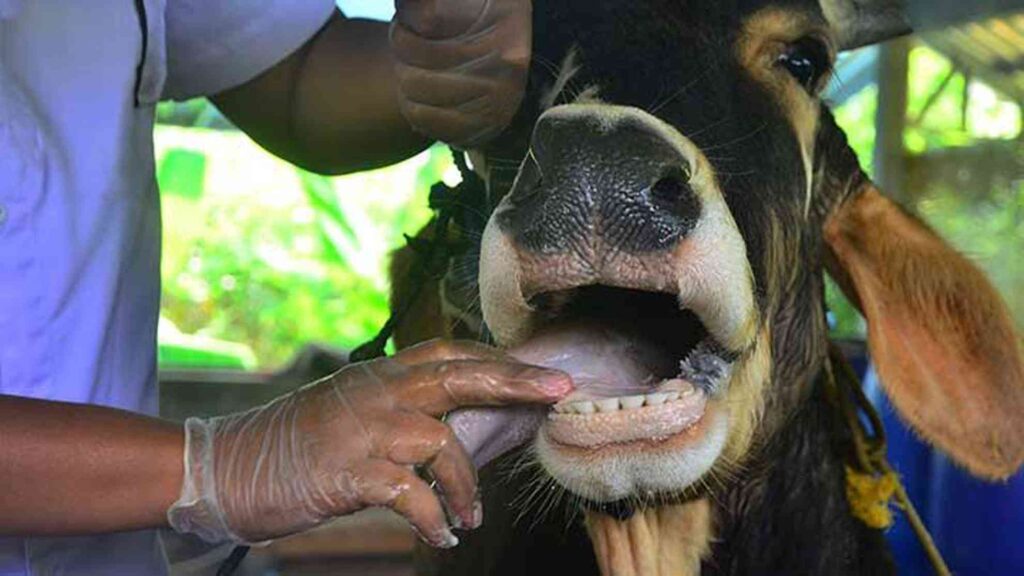
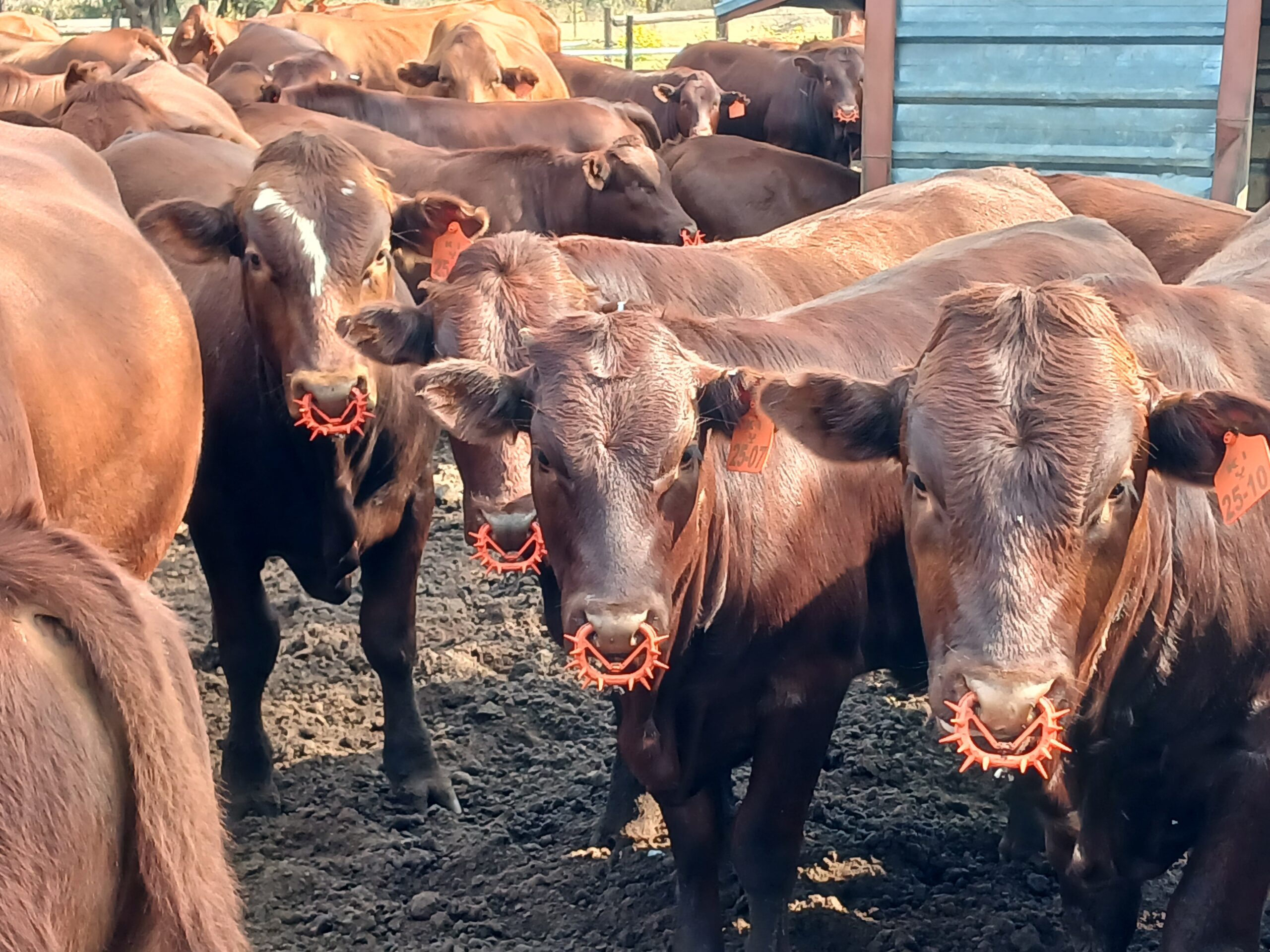
Foot and mouth disease has broken out in Mangwe, Zimbabwe. (Source: https://www.southerneye.co.zw/local/article/200050930/fmd-outbreak-confirmed-in-mangwe)
Namibia on high alert
Meanwhile, Namibia has placed its agriculture sector on high alert as the FMD outbreak threatens to spill across borders and jeopardise the country’s N$8-billion red meat industry.
The disease has already caused livestock losses in neighbouring South Africa and has spread to several provinces, including KwaZulu-Natal, Mpumalanga, Gauteng, Northwest, Limpopo and the Western Cape. More than 200 infection sites have been reported in KwaZulu-Natal alone.
South Africa’s livestock sector, valued at an estimated R80 billion, is already facing severe pressure from trade restrictions, quarantine costs and the loss of export markets.
Although livestock south of Namibia’s veterinary cordon fence, commonly referred to as the red line, remain free of FMD, authorities warn that the risk of introduction remains high. Human and animal movement between Namibia and South Africa by road and air continues, particularly in the ||Kharas, Omaheke and Hardap regions.
Meat Corporation of Namibia (Meatco) acting chief executive Albertus !Aochamub warned that an FMD outbreak within Namibia’s disease-free zones would have catastrophic economic consequences.
“If the disease spreads to areas that are currently FMD-free, it will wipe out all possibilities for Namibia to export red meat,” Aochamub said. “We would immediately lose access to key markets such as the European Union, China and the United States, markets that took years of negotiations and strict compliance to secure.”
Savanna Beef Processors chairperson Seigfried Schneifer echoed these concerns, warning that the entire livestock value chain would be affected.
“All trade in livestock and livestock products would be shut down immediately to contain the virus,” Schneifer said. “This would result in income losses for farmers, bankruptcies, job losses and sharp declines in cattle and sheep prices.”
Secondary industries, including feed suppliers and veterinary service providers, would also suffer significant financial losses, he added.
Preventive measures intensified
In an effort to prevent the disease from entering Namibia, the government imposed a ban on the importation of meat and dairy products from South Africa in September last year. The ban has since been extended to include live animals, semen and embryos.
The Directorate of Veterinary Services within the Ministry of Agriculture, Fisheries, Water and Land Reform has also implemented stringent controls at ports of entry. These include the disinfection of vehicles and passengers and strict monitoring of agricultural products entering the country.
To further strengthen border controls, the Livestock and Livestock Products Board of Namibia, senior veterinary officials and engineers from the Roads Authority recently met with border stakeholders to discuss the construction of disinfection drive-through wash bays at the Noordoewer and Ariamsvlei border posts.
The board has urged livestock owners and the public to exercise heightened biosecurity awareness and to immediately report any suspected FMD cases.
“Namibia’s FMD-free status is critical for animal health, food security and trade integrity,” the board said. “Anyone returning from South Africa should avoid contact with Namibian livestock for at least seven days, particularly if they have been in contact with livestock across the border.”
Livestock transport vehicles returning from South Africa are required to be thoroughly washed and disinfected before re-entering Namibia.
As an additional support measure for farmers, the government has rolled out a nationwide 15% subsidy on lumpy skin disease vaccines, available on a first-come, first-served basis and capped at 350 doses per producer.
Regional vigilance urged
As Zimbabwe battles to contain the Mangwe outbreak and neighbouring countries reinforce their defences, veterinary authorities across Southern Africa are urging vigilance, cooperation and strict adherence to control measures.
With cross-border movement, wildlife-livestock interaction and climate pressures increasing, experts warn that only coordinated regional action will prevent further spread and long-term economic damage.
Source references
Du Toit, J. (2026) Botswana joins regional battle against FMD Agrimonitor.com. https://www.agrimonitor.com.na/local-news/botswana-joins-regional-battle-against-fmd-nmh003212-3015-3310-3377?fbclid=IwY2xjawPn4rtleHRuA2FlbQIxMABicmlkETF1UEE2MDk3UEczZEthMFdLc3J0YwZhcHBfaWQQMjIyMDM5MTc4ODIwMDg5MgABHh7DpN24Ro7x4v0PmY3F5iGpGhR17o8e-TZ-v5pe4lCx7YiD0GTweqGb7TCr_aem_6EunEjIZshi-GsPAmM1hGQ
FMD outbreak confirmed in Mangwe (2026) Southerneye. https://www.southerneye.co.zw/local/article/200050930/fmd-outbreak-confirmed-in-mangwe
Hertta-Maria Amutenja, H. (2026) Namibia on high alert as foot-and-mouth disease threatens N$8-billion red meat industry The Namibian. https://www.namibian.com.na/namibia-on-high-alert-as-foot-and-mouth-disease-threatens-n8-billion-red-meat-industry/